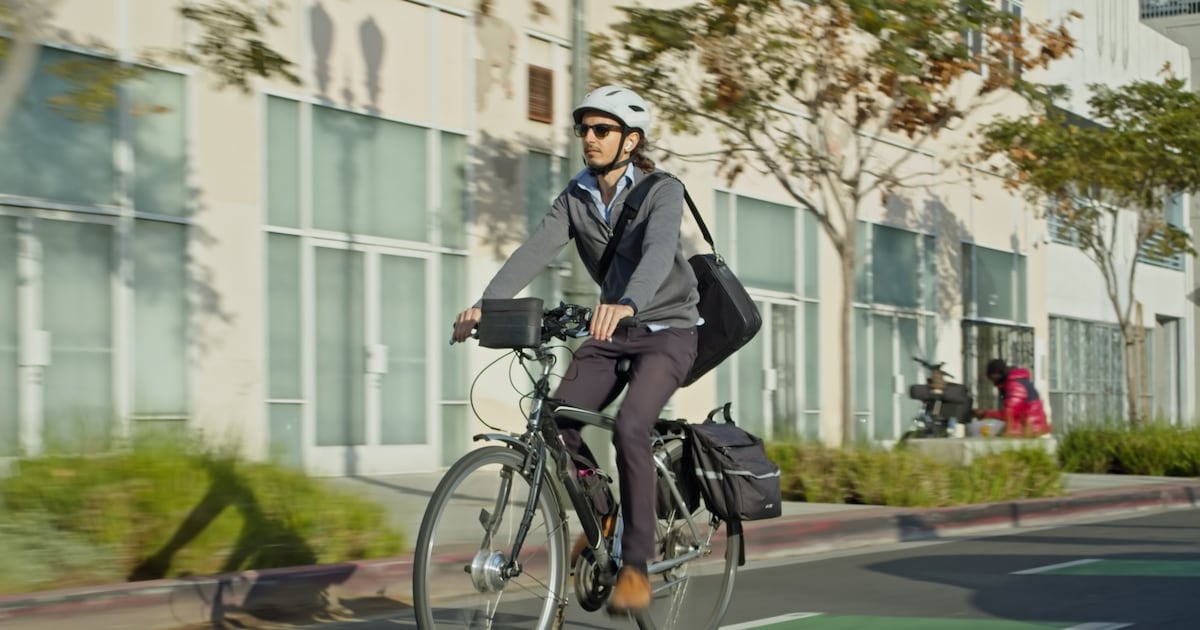
Tingling in the fingers or a thumb that falls asleep are not uncommon when cycling. This is often caused by persistent pressure on nerves—triggered by hand position, sitting position, or handlebar setup. Which causes are typical and how they can be identified.
Tingling in the fingers, numb palms or a sleepy thumb are among the most common complaints when cycling. These symptoms are particularly noticeable on longer tours. What initially seems harmless can significantly reduce driving comfort. In most cases, however, there is no serious cause behind it, but rather an unfavorable burden that can be specifically corrected.
Numb hands when cycling: These nerves are affected
As the US cycling magazine Bicycling reports, numb hands when cycling are usually caused by sustained pressure on certain nerves. Sports physiotherapist and bike fitter Kevin Schmidt explains there that three nerves in particular are affected: the median, ulnar and radial nerves. Which nerve is irritated determines which fingers experience numbness or tingling.
A particularly common trigger is an unfavorable wrist position. If the wrists are bent sharply backwards or to the side when gripping the handlebars, the pressure in the carpal tunnel increases significantly. This particularly affects the median nerve, which supplies the thumb, index and middle fingers. Tingling or numbness in exactly these areas is typical. A slightly bent hand position can reduce pressure. It is also important that the brake levers are adjusted so that they can be reached without twisting your hand.
Incorrect weight distribution also plays a central role. If there is too much body weight on the handlebars, the ulnar nerve on the outer edge of the hand in particular is stressed. This is often manifested by numbness in the little finger or ring finger. The cause is often an incorrect sitting position, such as a saddle that is too high or a downward-sloping saddle tip that causes the body to slide forward. The goal should be a posture in which the majority of the weight is supported by the saddle and the arms remain relaxed.
Handlebars, posture and thumbs: Other causes of numb hands
In addition, an incorrect handlebar setup can increase the symptoms. If the handlebars are too wide, many riders unconsciously turn their hands inwards to find a more comfortable grip position. This increases the pressure on sensitive nerve pathways in the hand. A handlebar width that is based on shoulder width ensures a more natural hand position. Changing the grip position regularly while driving also helps.
Last but not least, posture plays an important role. A heavily rounded back puts strain on the neck, which in turn can affect nerves that reach into the hands. Numbness often occurs along with neck or shoulder pain. A more upright posture with a flat back, open chest and slightly bent elbows distributes the load more evenly and reduces pressure on nerves and joints.
A special case is the thumb that falls asleep. If only the thumb becomes numb, this is a relatively clear indication of irritation of the median or radial nerve. Common causes are a severely bent wrist or constant pressure on the inner ball of the hand. Unfavorably positioned brake levers or handlebars that are not optimally adjusted can also increase the pressure in exactly this area. More rarely, the reasons lie in the neck or shoulder area.
About the Author