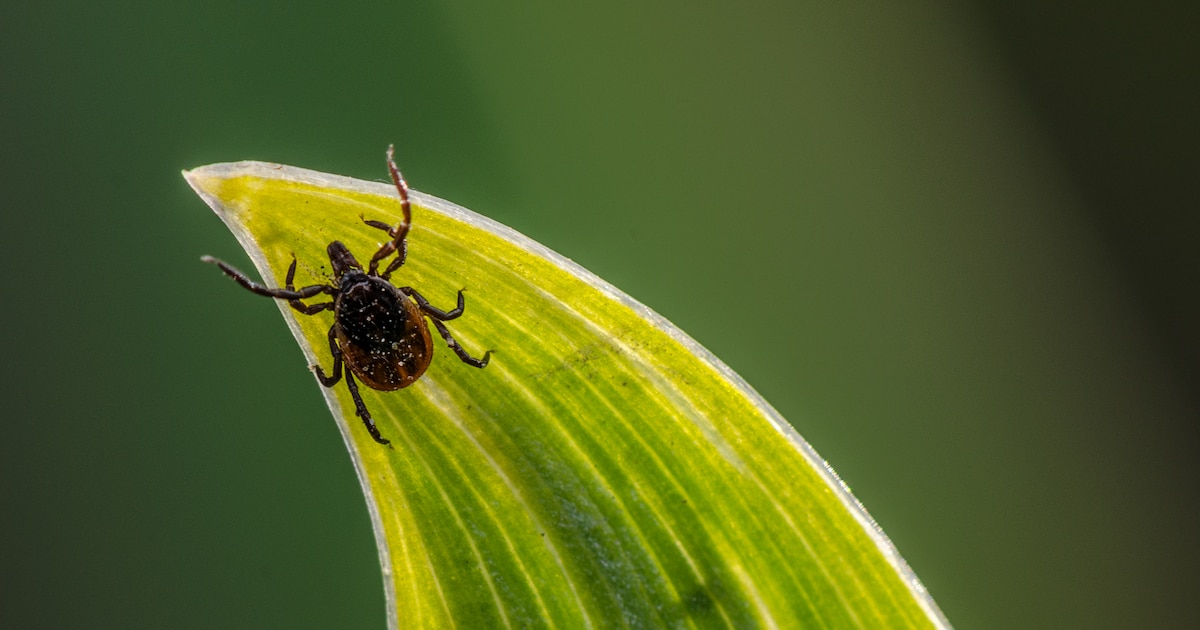
Not individual plants “attract” ticks in the true sense. Garden areas that are damp, shady and densely overgrown are more problematic.
When many people think of ticks, they first think of walks in the forest or tall grass in meadows. In fact, the animals can also feel comfortable in their own garden. Especially if the area offers retreats with shade, moisture and dense vegetation. Specialist departments like that Robert Koch Institute and the US Food and Drug Administration CDC point out that ticks prefer to stay in tall grass, bushes and loose leaves. The garden does not automatically become a risk area – but certain corners can significantly increase the likelihood of contact
Tall grass is a classic tick habitat
The most favorable areas for ticks are areas where grass remains tall for a long time. There they don’t sit in trees, but in low vegetation and wait for animals or people to pass by. This is precisely why overgrown lawns, verges and poorly mown crossings are considered particularly critical. Also Linternaute names tall grass as one of the most important factors in the garden.
Dense ground cover and ivy create a favorable microclimate
It’s not just lawns that can be problematic. Dense stands of plants close to the ground also keep moisture and shade on the ground. This is ideal for ticks because they tolerate dry, sunny areas more poorly. Dense ground cover plants such as ivy are often specifically mentioned. Specialist information from the USA also recommends using ground cover plants cautiously in heavily used garden areas if you want to avoid tick hotspots.
Ferns, bushes and unkempt hedges increase the risk
Higher-growing plants can also encourage ticks – not because they actively attract them, but because they provide shade and store moisture. Ferns, dense bushes and long, untrimmed thuja hedges are often cited as typical problem areas. Comparable recommendations can be found in guidelines on so-called “tick-safe landscaping”: Less dense undergrowth, more air and light on the ground can reduce the risk.
Leaves, piles of brushwood and piles of wood are also problematic
Not only plants are important, but also structures in the garden. Layers of leaves, piles of branches, undergrowth, piles of stones or wood storage areas offer moist places to retreat and also attract small wild animals that can serve as hosts for ticks. The CDC and other specialist sources therefore recommend regularly removing leaves, thinning out grass and bush areas and storing stacks of wood as dry and neatly as possible.
Forest edges and wild garden corners are particularly tricky
Gardens near forests, meadows or field edges are more susceptible because ticks and their host animals can migrate there more easily. The German Green Cross points out that gardens near the edge of forests in particular can offer favorable conditions. According to specialist literature, transitions between lawn and bushes are also considered typical contact zones.
These plants are considered unfavorable for ticks
Herbs and ornamental plants with an intense smell, such as lavender, rosemary, thyme, lemon geranium, lemon balm or tansy, are possible natural opponents. There is evidence of repellent effects for individual plant substances, but reliable statements about the extent to which such plants alone keep a garden tick-free are limited. They can be useful as a supplement to garden care – they are not sufficient as a sole protective measure.
About the Author