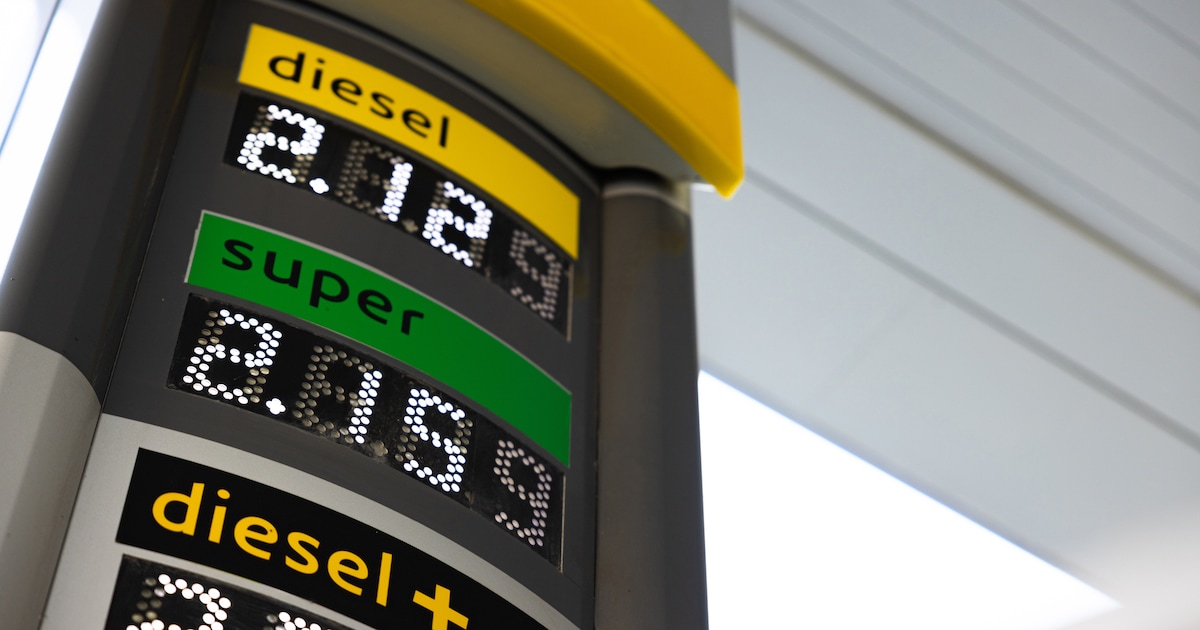
The effects of the current situation in the Middle East are also being felt in other countries. Fuel prices in particular have risen sharply recently. Anyone who lives close to the border should keep a close eye on the fuel prices in the neighboring country.
Composition of fuel prices in Germany
In addition to the classic mineral oil tax, the energy tax and CO₂ pricing also have a significant impact in Germany. While the actual product price – i.e. the price of crude oil plus refining and distribution costs – is relatively similar across Europe, these taxes drive the final price up sharply in this country. This means that a large part of the price per liter is politically determined and is therefore significantly higher than in many neighboring countries, which deliberately set lower tax rates.
In addition, competition at German gas stations is heavily influenced by short-term price fluctuations. Price changes multiple times a day are common, especially along busy routes. Although there is transparency through official price reporting systems, price peaks at typical times – such as before weekends or holidays – remain noticeable for drivers.
Austria: Fuel prices are well below German levels
In Austria, prices for gasoline and diesel are usually around 10 to 20 cents per liter below the German level. The main reason is a lower mineral oil tax. At the same time, gas stations in Austria are only allowed to increase prices once a day. This slows down extreme price jumps and ensures a little more predictability, which is particularly beneficial for cross-border commuters.
Price advantages in Poland
The price advantages are even more pronounced in Poland. Not only are the taxes lower here, the entire cost structure – for example wages and operating expenses – is also lower than that in Germany. This means that many drivers from East Germany consciously drive across the border to fill larger tanks. The so-called tank tourism has long been part of everyday life there: If you live close enough to the border, you can quickly save a double-digit euro amount with a full tank of fuel.
The Czech Republic’s fuel prices are temptingly low
The Czech Republic is also attractive for German drivers, especially for residents of regions near the border. Energy taxes are also lower there, which is reflected in the final price at the pump. Although the prices vary depending on the region and the competitive environment, on average they are usually below the German level. The same applies – with different general conditions – to Switzerland: prices there depend heavily on the exchange rate of the Swiss franc. Overall, they are often at a similar or slightly lower level than in Germany, but can also increase noticeably depending on the currency situation.
chip newsletter
CHIP ePower newsletter
Once a week everything about the best e-cars, e-bikes and heat pumps as well as the best sources of electricity: green electricity providers, balcony power plants and solar systems. We will guide you through the energy transition with tests, guides and purchasing advice.
You can also fill up cheaply in Luxembourg
The situation in Luxembourg is particularly striking. The small country is one of the cheapest fueling countries in Western Europe. The government deliberately keeps fuel taxes low to attract drivers from neighboring countries. This is a relevant business model for Luxembourg: Many German and French drivers plan fuel stops specifically so that they fill up in Luxembourg. Not only gas stations benefit from this, but also other shops along the traffic routes, because drivers often combine their stop with further purchases.
France is in the middle of the field in a European comparison
Prices in France are often similar or slightly lower than in Germany, but can vary greatly from region to region. In border regions, such as Saarland or Baden, there can still be worthwhile price differences for German drivers, while in tourist or remote areas the prices can also be higher. It is therefore advisable for consumers to check the average prices in the destination region before long journeys in order to be able to assess whether a refueling stop across the border is really worthwhile.
Refueling is particularly expensive in this neighboring country
The Netherlands plays a special role: refueling here is usually not a bargain for German drivers, especially when it comes to petrol. The reason is very high energy taxes, which often even exceed the final price compared to Germany. Anyone driving from North Rhine-Westphalia or Lower Saxony to the Netherlands will therefore rarely find financial advantages at the pump.
About the Author