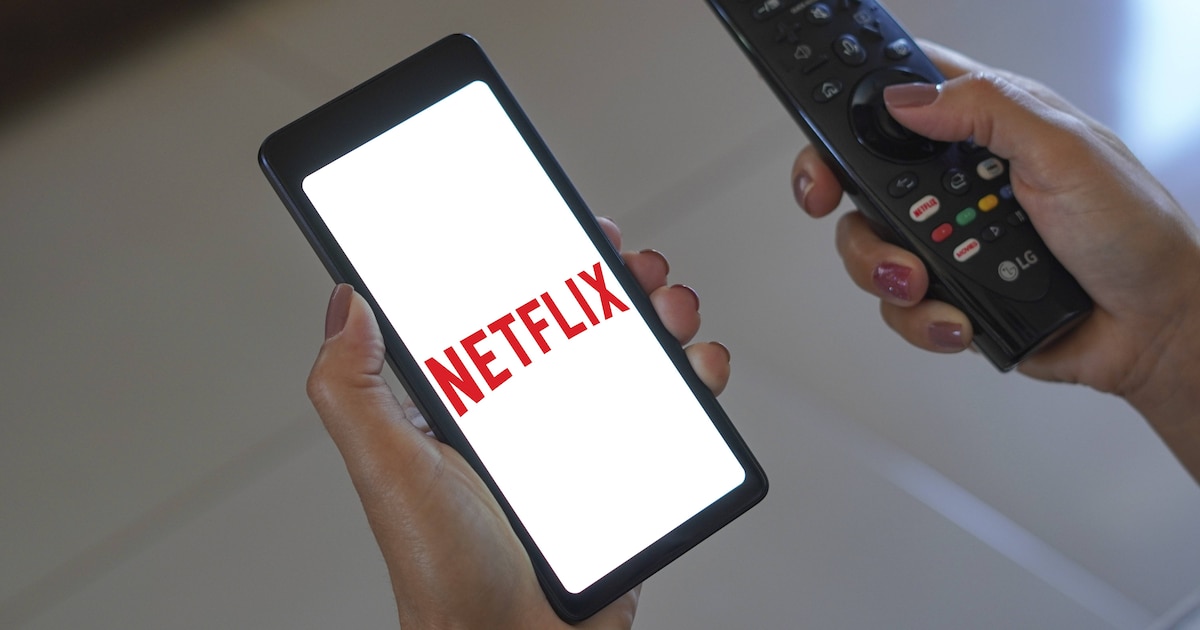
Netflix plans to significantly expand its use of artificial intelligence by 2026. This is how they want to optimize their advertising content and subtitle localization.
Netflix wants to rely more on automated processes and AI-based technologies to translate subtitles into different languages more efficiently and quickly. The aim is to provide content to a global audience in a more consistent and timely manner. Advanced language models are used to optimize translations and simplify the synchronization between translation, timing and visual representation. This AI-powered support affects all subscription levels, as subtitles are an essential part of the streaming service.

At the same time, Netflix is intensifying its use of AI in advertising. Back in 2025, the company tested tools that allow advertisers to create personalized ads based on Netflix-owned brands and content. These systems are intended to automatically develop advertising concepts, organize campaigns and accelerate creative processes. The focus here is on users of the ad-financed subscription, which currently costs 4.99 euros per month in Germany. However, this area will hardly be relevant for customers of standard and premium tariffs without advertising.
Netflix also wants to rely more on artificial intelligence in the merchandising area. Corresponding technologies are intended to help recommend content more specifically and connect viewers with titles that correspond to their individual usage behavior. The basis of this approach is the analysis of extensive amounts of data and the automated generation of suggestions for marketing and positioning.
The expansion of the AI infrastructure is taking place against the backdrop of a continually growing customer base. In 2025, Netflix was able to gain around 23 million new subscribers, reaching a total of around 325 million paying users worldwide. The increased use of automated systems offers the company an effective way to efficiently control content, advertising and localization processes as it scales up.
About the Author