
From: Cologne Express
Published in cooperation with Kölner Express
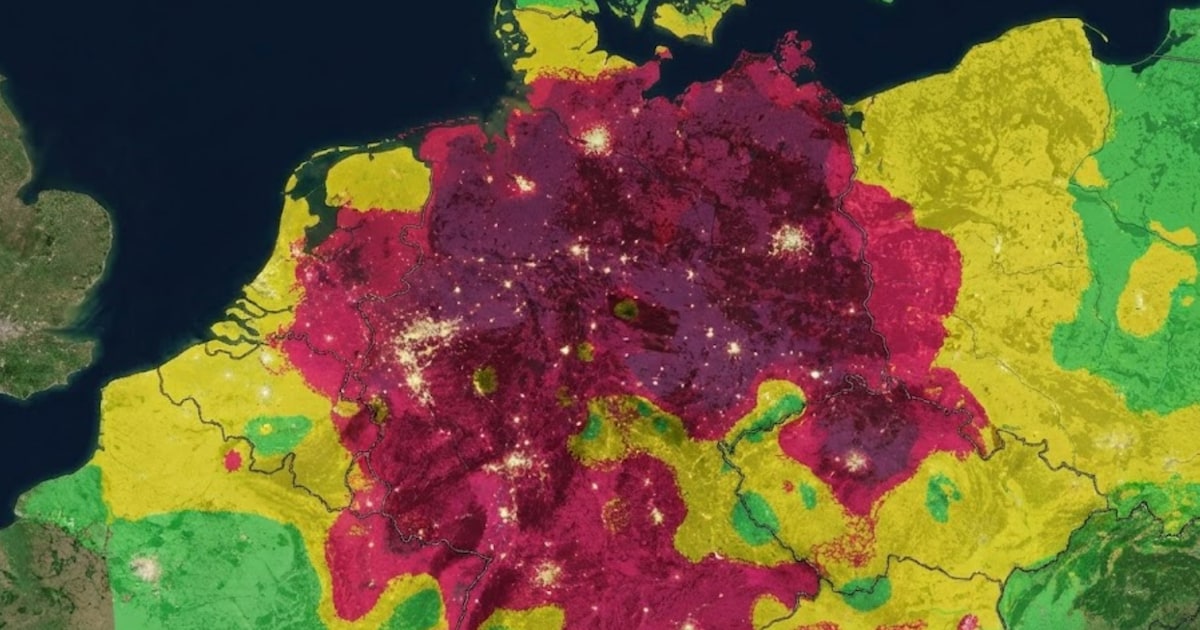
Fine dust is currently massively polluting large parts of Germany. A special weather situation keeps pollutants close to the ground – with noticeable consequences for health, respiratory tract and circulatory system. Experts warn against increased stress and advise caution in everyday life.
Particulate matter pollution is currently significantly increased in large parts of Germany. The Current map from the Federal Environment Agency shows severely limited air quality in many places. The cause is a stable weather situation, which means that pollutants remain in the air layers close to the ground and can hardly be distributed. Particularly critical are the microscopic particles with a diameter of less than 2.5 micrometers, which can penetrate deep into the lungs due to their small size.
Specialist authorities point out that an increased concentration of fine dust can cause both short-term health problems and long-term risks. Possible consequences include irritation of the respiratory tract, effects on the cardiovascular system and inflammatory processes in the body. Particularly sensitive groups of people such as people with previous illnesses, older people and children should currently reduce their physical exertion outdoors as much as possible.
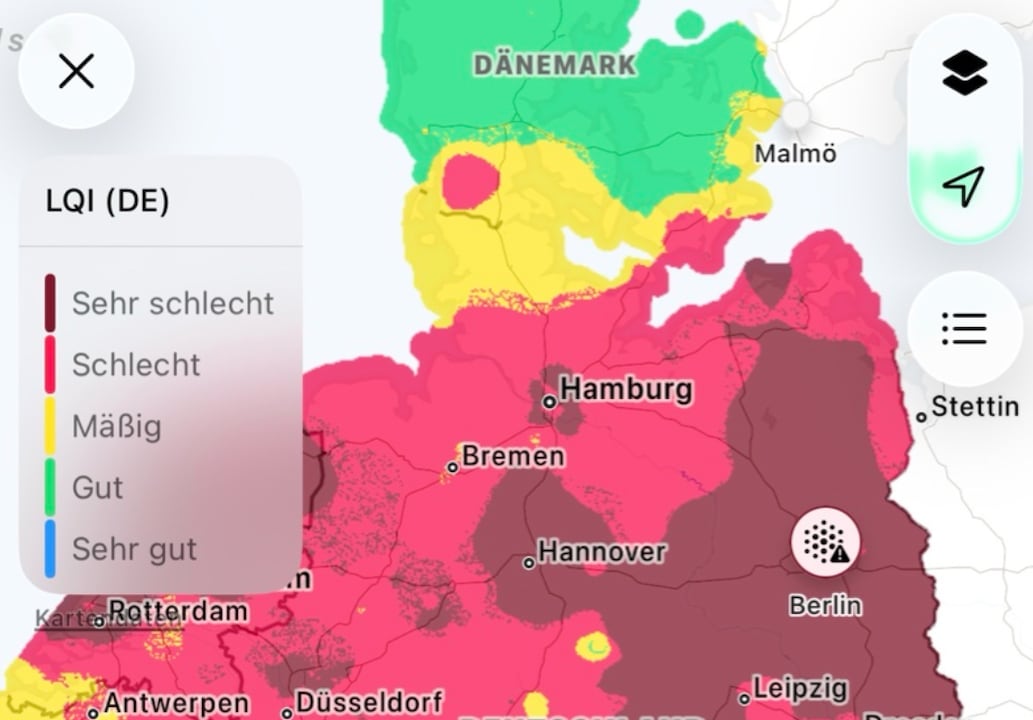
But where does this severe air pollution come from? Meteorologist Dominik Jung explains that there is currently a special weather situation over Germany – a so-called inversion. This ensures that cold air is trapped at the ground, while it is warmer in higher air layers. This means that exhaust gases and other pollutants cannot escape and remain near the ground. Added to this is the lack of wind, which prevents the polluted air from escaping so that it stays directly above us.
Renate Molitor, meteorologist at wetter.com, also points to the stable high pressure situation as the cause of the current situation. However, there is a small ray of hope in western Germany: low foothills there could cause rain that washes the fine dust out of the air. However, the situation remains tense until Sunday. Only on Monday could a new low pressure area bring about a noticeable improvement by bringing snowfall from Brandenburg via Saxony and Thuringia to Bavaria.
About the Author