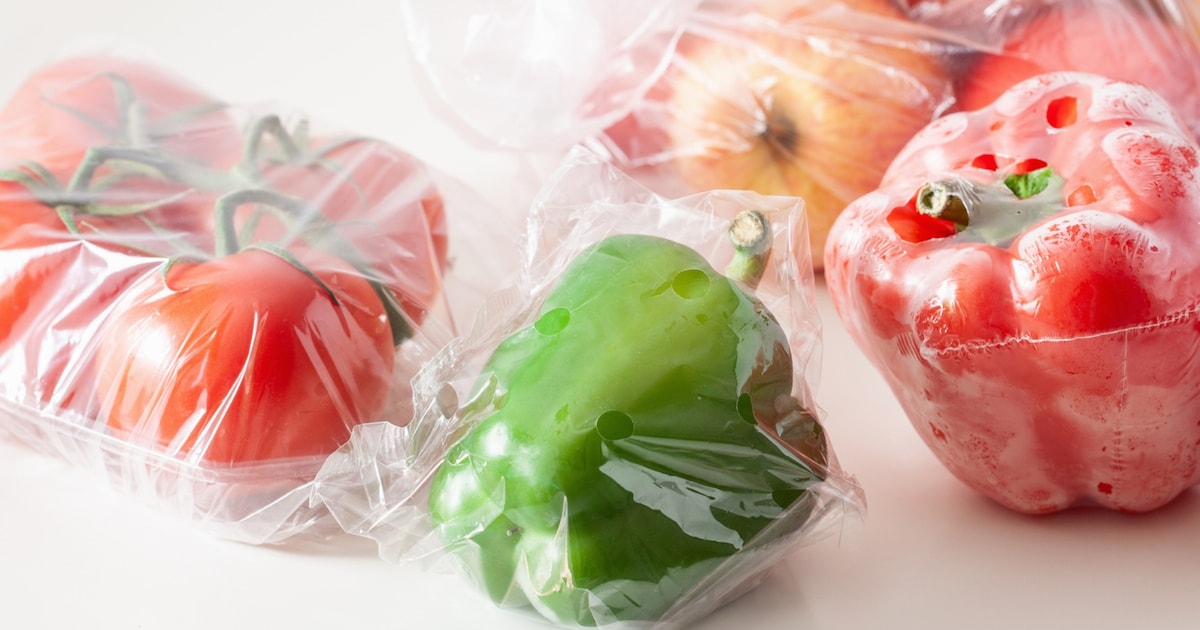
The EU has tightened its rules against single-use packaging, which will also bring noticeable changes for consumers in the future. You can find out which requirements will apply from 2030 here.
Whether you’re shopping or eating take-away, it’s often difficult to get past packaging in everyday life. But not all of them are currently recyclable. This is now set to change according to a new EU law. Because like that daily news says that from 2030 almost all packaging should be recyclable. The focus is primarily on disposable packaging.
You can find out what the new decision means for restaurants, hotels and supermarkets here.
The single-use ban has these consequences in everyday life
The single-use ban from 2030 will bring noticeable changes in a wide range of areas, as the Tagesschau reports. Restaurant or snack bar operators, for example, have to do without small ketchup packaging. Even in hotels, shampoo can only be used if the packaging is free of single-use plastic. In addition, this is supposed to be the case Wrapping suitcases with disposable plastic wrap fall away.
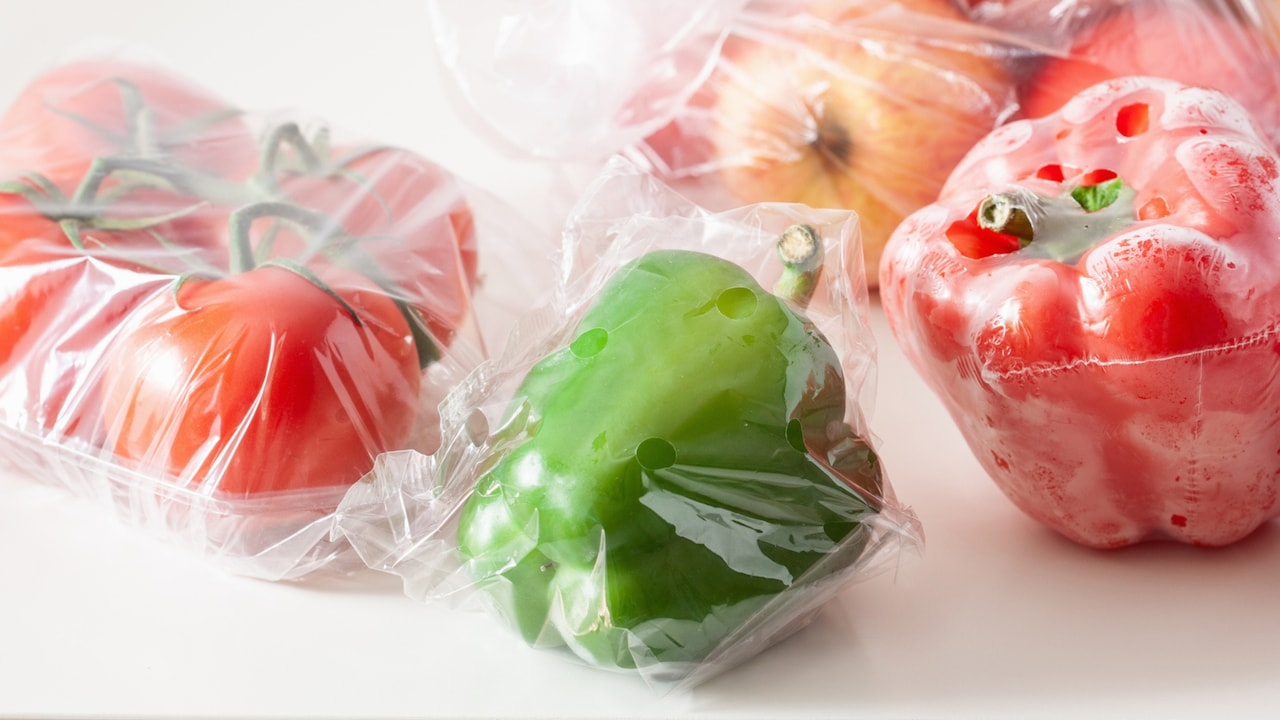
The decision is also making itself felt in the supermarket: in the future, no untreated food will be allowed Fruit and vegetables under 1.5 kilograms be packaged more in plastic. In addition, plastic carrier bags should no longer be offered.
At the same time, according to the decision, there are also a few exceptions. These include medical products, wooden boxes with wax or even paper packaging, such as small paper bags for sugar and salt.
Less plastic, more recycling: This is what the EU is planning
Already on December 19, 2024, the European Parliament and the EU member states decided on a new packaging regulation German Chamber of Industry and Commerce communicates. This came into force on February 11, 2025. The first measures will take effect from August 12th this year, such as: significantly stricter limits for so-called “forever chemicals”.
As the Tagesschau reportsall EU members should also use reusable systems by 2030 to promote recycling and reduce packaging waste. In Germany in particular, the average packaging waste is around 225 kilograms – well above the EU average of 190 kilograms.
Tips from the consumer advice center: Less packaging waste when shopping
However, you can also help reduce avoidable packaging waste in everyday life. The Consumer advice center has a few helpful tips to ensure your shopping is as packaging-free as possible:
- When shopping, use reusable bags, such as cloth bags.
- Avoid thin bags for loose fruit and vegetables: fresh food can often be taken along unpackaged or in drawstring bags.
- Shop in organic shops, farm shops, weekly markets or even “unpackaged shops”: you can usually buy low-packaging goods here.
- Check whether the packaging you brought with you meets the hygiene regulations: there are also suitable ones for this Information sheets for businesseswhich the food association created in consultation with food monitoring.
- Avoid plastic bottles if possible: tap water and reusable or refill systems for dairy products or cleaning products are the more environmentally friendly choice.
About the Author