From March 31, 2026, Amazon will strictly separate inventory by retailer. This is intended to make counterfeiting more difficult – but means more effort and costs for resellers.
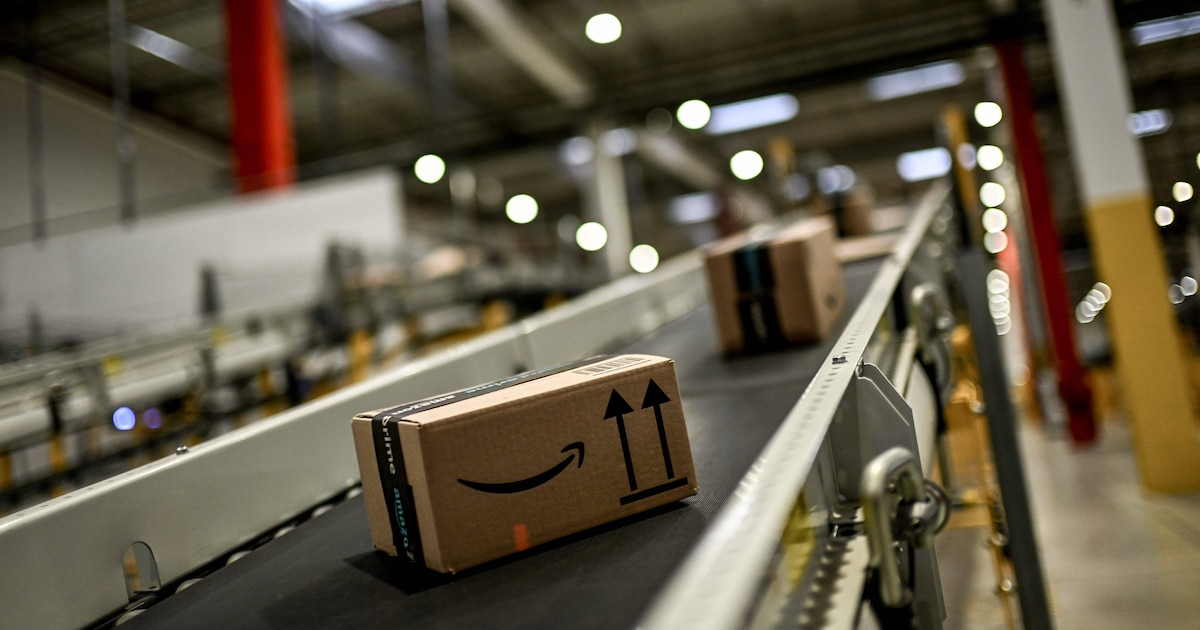
Amazon will end commingling worldwide on March 31, 2026, i.e. the mixing of identical products from different retailers in the FBA warehouse. Again US mail order company announced In the future, each unit will be uniquely assigned to a seller.
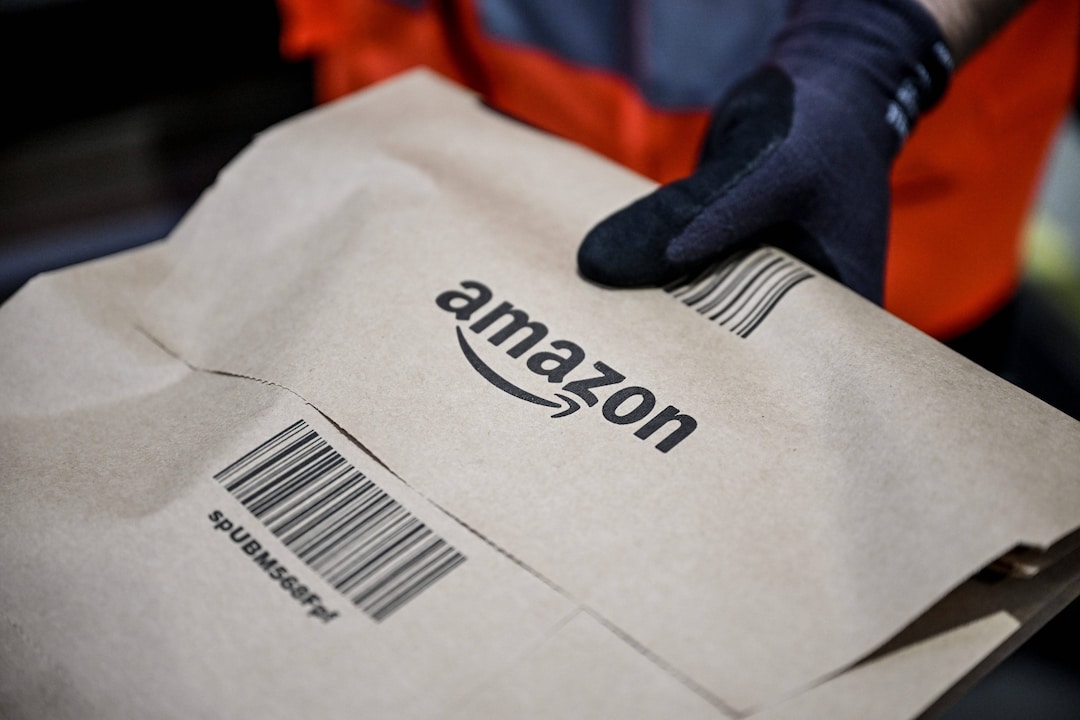
Brand owners with brand registry status are then allowed to use the manufacturer barcode (e.g. UPC, ISBN) again, while resellers must stick an Amazon barcode (FNSKU) on all items. Background: Thanks to better distributed inventory, Amazon can now achieve fast delivery times even without mixed inventory.
More control in the Amazon warehouse: this is intended to prevent counterfeits
An FBA warehouse is an Amazon logistics center where retailers store their goods and handle shipping, returns and customer service from there US shipping giants be taken over. In the past, counterfeit, damaged or expired goods could end up in the common inventory. This created the risk that customers would receive an inferior product from another provider instead of original goods.
Thanks to the requirement for FNSKU labels and strictly separated stocks, it is now possible to trace exactly which retailer shipped which unit. This reduces the risk of counterfeiting, simplifies complaints and makes it easier for brand owners to take action against black sheep, such as the IT specialist portal “IT Boltwise” reported.
Hope for fewer counterfeits – and who is really liable when buying from Amazon
A first reaction from the Seller community sums it up: “About time. Hopefully this will help solve some of the problems with counterfeit products or ‘used sold as new’ complaints.” Many retailers and customers hope that the end of commingling will noticeably reduce complaints about counterfeits or “used as new” – even if this requires more logistical effort in the background.
When shopping on Amazon it’s loud “e-law24” Legally, it is crucial who your contractual partner is: If you buy from a marketplace dealer, their terms and conditions and cancellation rules apply – not automatically those of Amazon itself. If problems arise (wrong delivery, defect), you must always assert your warranty rights against this seller. Important: A purchase contract is already concluded when Amazon expressly confirms your order – not just when the goods are shipped.
About the Author