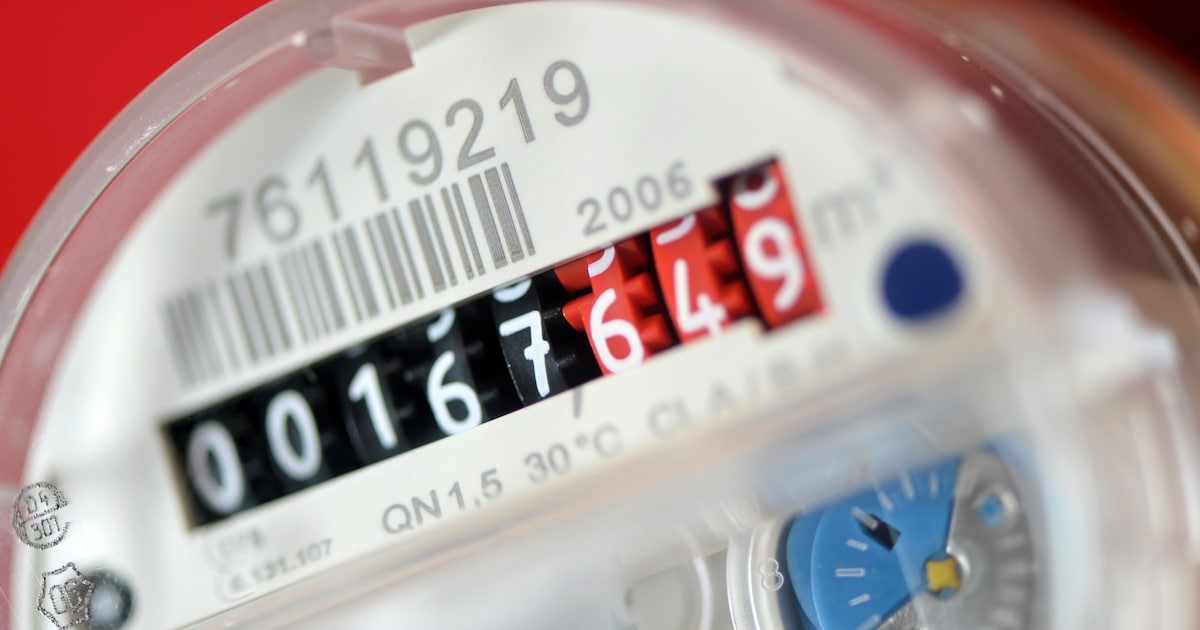
Water meters are continuous runners that do important work in the background. But what many people don’t know is that the measuring devices have an “expiry date” and must be replaced regularly.
On average, a person uses around 45,000 liters of water per year. In order for this to be billed correctly for households in practice, water meters must measure consumption precisely. After Measurement and calibration law Water meters may only be used if they have been calibrated. They therefore have a legally limited term.
Currently sees one Pre-regulation Here an operating period of six years is envisaged, after which the devices must be replaced or recalibrated. Since the exchange is cheaper, this is done much more often in practice.
By the way, the deadline applies equally to all cold and hot water meters. Previously, you had to pay attention to different deadlines, but since the end of 2021 a uniform value has applied.
The year of installation is on the meter
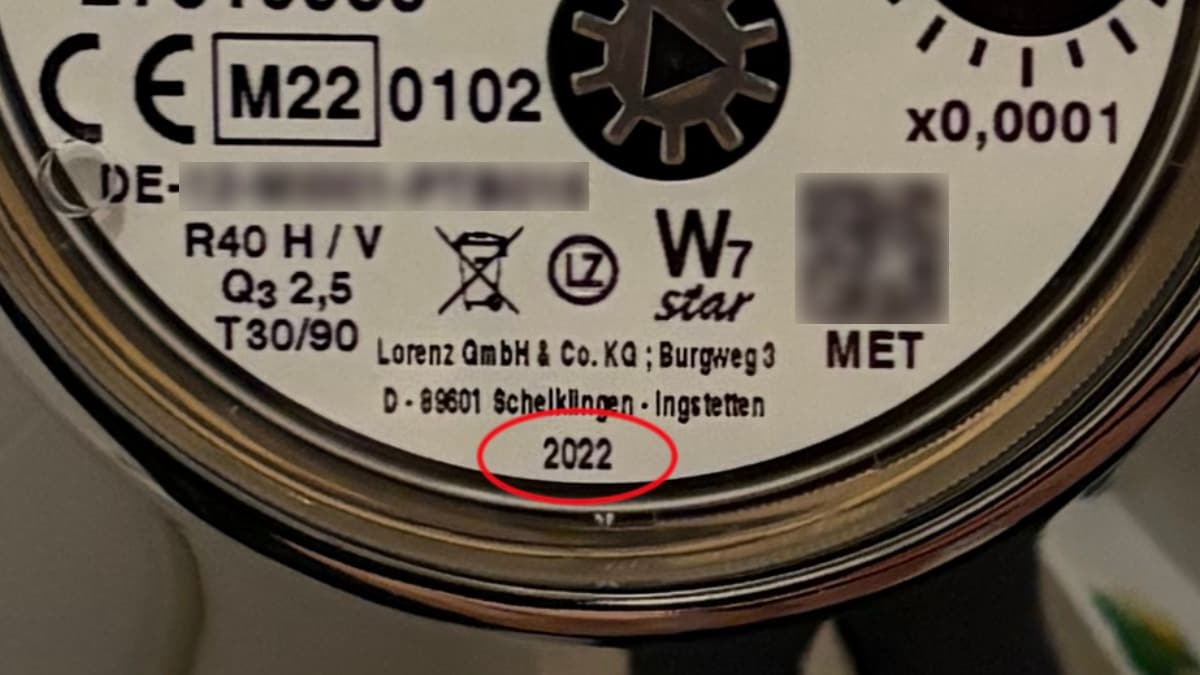
You can easily calculate the expiry date of your water meters. Look at your meters, there is a year listed there. For example, if it says “2022”, the counter was installed in 2022. It must then either be recalibrated or replaced by the end of 2028.
Once the calibration period has expired, the meter is no longer considered billable, even if it still technically works. It is assumed that limescale, dirt particles and mechanical wear cause the precision to decrease over time. This can result in you either paying too much or too little for your water usage.
Owner has to take care of water meters
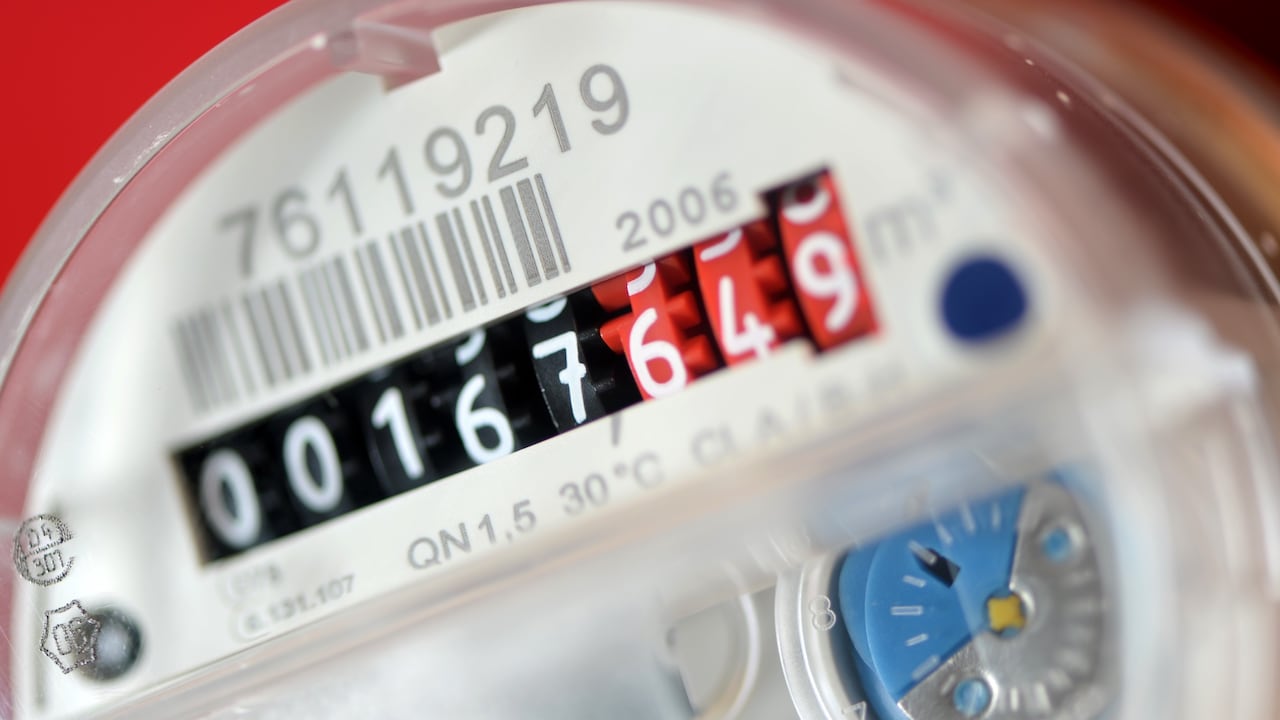
The following applies to tenants: The owner is responsible for correctly working water meters. So if your water meter has expired, you should contact your landlord. This affects all apartment and intermediate meters within a building. The situation is different with the main water meter; it usually belongs to the water supplier, who is also responsible for maintenance and replacement.
In the end, you as a tenant will usually bear the costs. The owner must first advance the replacement of the water meter. However, he can pass the costs on to tenants via the utility bill.
Important: This only applies to mandatory exchanges. However, voluntary modernizations, such as the installation of smart water meters without a legal requirement, are not eligible for apportionment.
Reduction in additional costs possible
Owners should make sure to replace water meters in a timely manner. Anyone who continues to use a water meter that is no longer calibrated is putting themselves at risk: tenants can then dispute the utility bills.
This can lead to repayments in the event of a dispute. There are various court rulings on this matter, some rulings have given tenants an opportunity Right of reduction of 15 percent awarded. In addition, a violation of the calibration law is an administrative offense.
About the Author