Taking plants home in plastic flower pots from the supermarket or hardware store will no longer be possible in the future. You can find out more about the new regulation here.
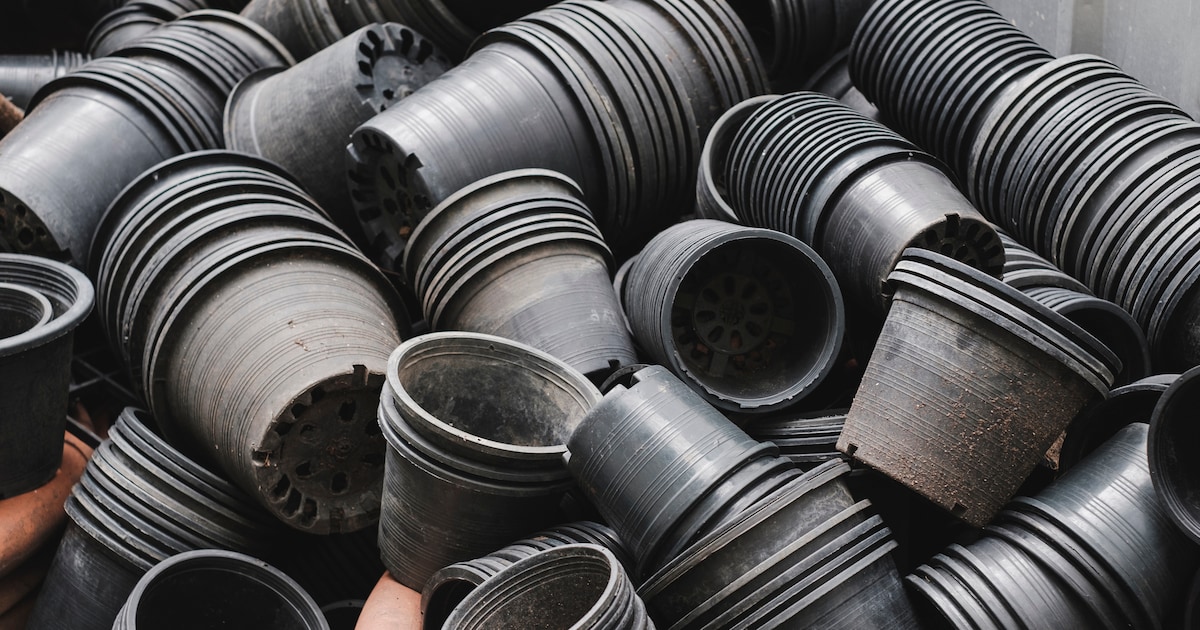
Plastic plant pots can be found in every supermarket and hardware store. They are a convenient way to purchase plants and transport them home safely. But these plant pots will probably no longer exist in the future. This is what the EU’s new packaging law wants, as “t-online.de” reports.
Previously, plastic bags in retail had already fallen victim to the “European Green Deal” (Revision of Directive 94/62/EC on Packaging and Packaging Waste (REFIT)), and plastic fruit bags in supermarkets will no longer be available from 2030. Since plastic pots are also disposable products, they should disappear from sale by 2030. This means that consumers are also facing changes.
The previous exception rule is no longer valid
With the revised packaging regulations, the EU wants to reduce the amount of waste, especially plastic waste. Initially, however, flower pots, plant pots and seed trays used during the production or sale of plants were exempt from the “plastic ban”. According to “t-online.de”, an EU document that is available to the Central Horticultural Association (ZVG) shows that this exception no longer appears to apply.
Hans Joachim Brinkjans, deputy general secretary of the ZVG, criticized the change according to “t-online.de”: “The Commission’s interpretation is surprisingly very broad and does not correspond to the listing of flower pots in the appendix to the EU Packaging Regulation.”
Alternative not yet in sight
The ban on plastic plant pots will bring changes to retailers and consumers. Plants can still be sold, but the packaging must change. However, it is not yet clear which packaging flowers will be offered in the future. Containers made from “industrially compostable” materials would be possible. The industry is also working on this, but this concept has not yet been implemented. Paper or cardboard based packaging is less suitable for plants that also need to be watered before the time of sale.
Containers made of terracotta or clay would be possible, but not only are these not break-proof, they also add a lot of weight. That would increase transportation costs. A reusable system would also be conceivable, but that would also mean more effort and higher costs, which would ultimately be passed on to consumers.
About the Author