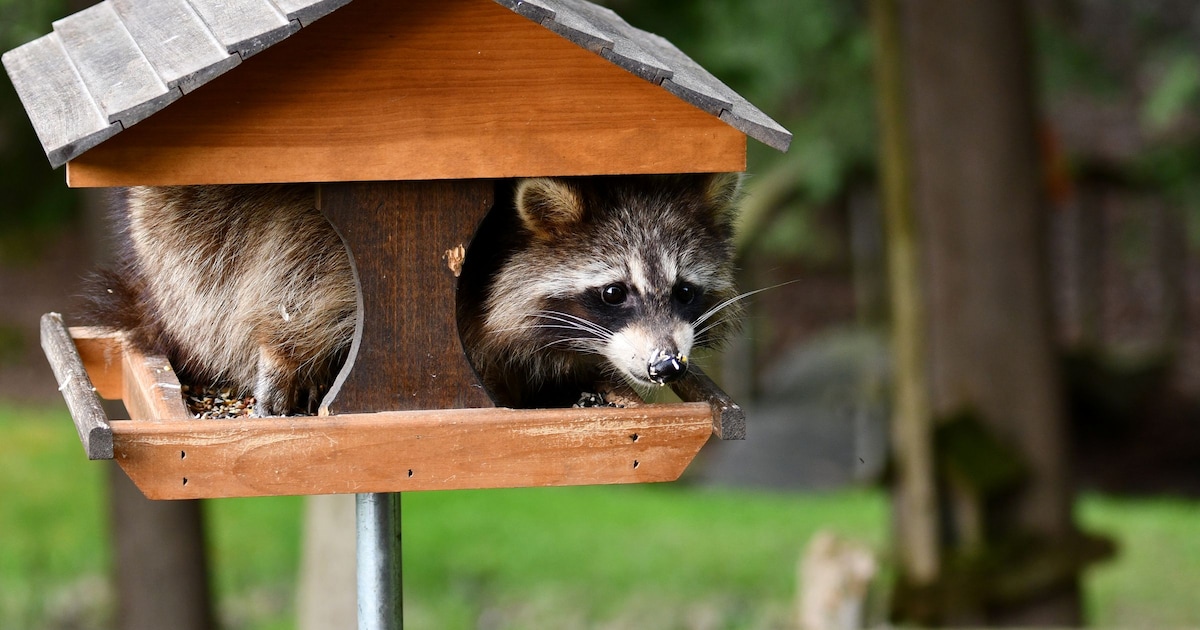
Squirrels, mice and raccoons often empty feeders more quickly than tits and sparrows. A tip that is currently making the rounds: Chili is said to keep unwanted co-eaters away.
The effect depends on the hot ingredient capsaicin. In mammals it causes the typical burning sensation, and many animals then leave the food standing. This is exactly what the NABU notice is aimed at.
Things are different in birds: they hardly react to capsaicin because their relevant receptor does not respond as well as in mammals. The Federal Institute for Risk Assessment describes it clearly: “The TRPV1 receptor in birds cannot be activated by capsaicinoids, which is why birds can also eat very hot Capsicum fruits.”
What is important is the expectation: chilli does not work against “everything”. It leaves other birds cold, and it doesn’t automatically stop animals that simply knock over or clear out a feeder.
This is how it works in practice without the bird food becoming a salt trap
When the trick is tried, the form counts. Because many chili sauces contain salt and other additives. The NABU advises When feeding in the winter, specifically avoid offering salty food. Chili powder or chili flakes are usually more practical because they can be dosed cleanly.
At the same time, the classic basic work remains more important than any “hack”: if possible, offer food in such a way that it stays dry and less contaminated, and clean the feeding area regularly. NABU recommends systems in which the birds do not stand in the feed and emphasizes hygiene at the feeding place.
Conclusion: Chili can thwart food thieves among mammals because capsaicin has a strong effect on them, but birds hardly react to it. If you use it, it is better to use chili powder instead of sauce and keep the feeding area clean, then the effect will remain suitable for everyday use.
About the Author