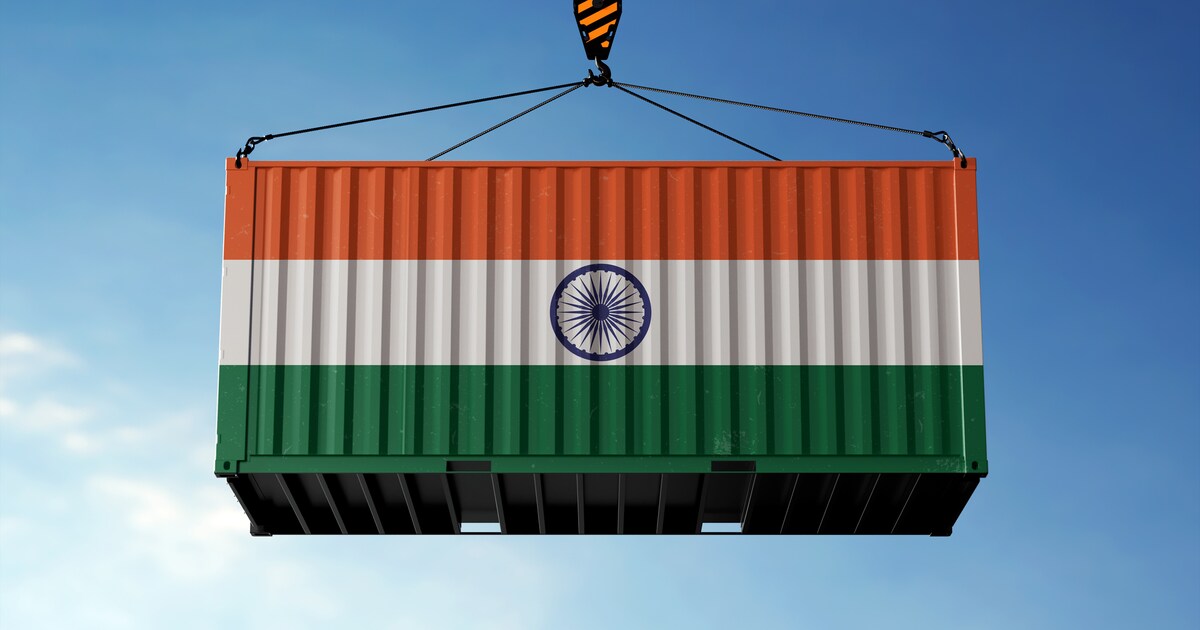
The EU has concluded a free trade agreement with India. This also results in changes for citizens in Germany.
The European Union signed the free trade agreement with India on January 27, 2026. According to experts, this historic contract is intended to open up new opportunities for companies.
But the question also arises: how do these developments affect consumers’ will—and above all, from when?
Trade agreement with India: effects only noticeable later

Around 2 billion people live in the EU and India together. So how will economic changes affect consumers’ lives?
textiles
India is particularly interesting with its exports of clothing, shoes, and textiles; according to UN Comtrade, Germany has recently been importing more and more goods from this area—customs relief could have a positive impact on prices. So customers save.
Technology
Due to the economic tensions between the USA and China, India is becoming more interesting for companies. Smartphone manufacturers have recently relocated their production there so that devices such as iPhones are increasingly being assembled in India.
medicine
For the supply of medication, according to experts, there is also hope. Copycat drugs (so-called generics) could be produced in India and, thanks to the trade agreement, find their way to Germany more easily—at a better price. In addition, shortages of frequently required medications would be more avoidable.
India currently already has a global market share of 20 percent in the production of pharmaceuticals. However, there is still a great deal of dependence on China for the raw materials.
Cars
Indian vehicles are rather unsuitable for the German market and will therefore be less attractive, according to automobile expert Jürgen Pieper. They are aware it is “simply constructed, very small, and built for Indian roads.”
Jobs
According to Federal Finance Minister Lars Klingbeil (SPD), the trade agreement between the EU and India will be “new opportunities for growth and good jobs” in Europe as well as in India, the AFP reported. European exporters can earn up to 4 billion euros a year, according to the EU Commission save. That could also mean better wages.
Prices
Import companies in particular would feel the relief from customs duties, reports the Tagesschau. It remains to be seen whether the companies that can benefit from the free trade agreement will pass this on to consumers in the form of lower prices.
However, Samina Sultan from the Institute of German Economics (IW) in Cologne believes it is “a general experience of globalization that open markets increase productivity and create greater competition.”
However, it will probably take a few years before this happens and the corresponding structures are created.
About the Author