[ad_1]
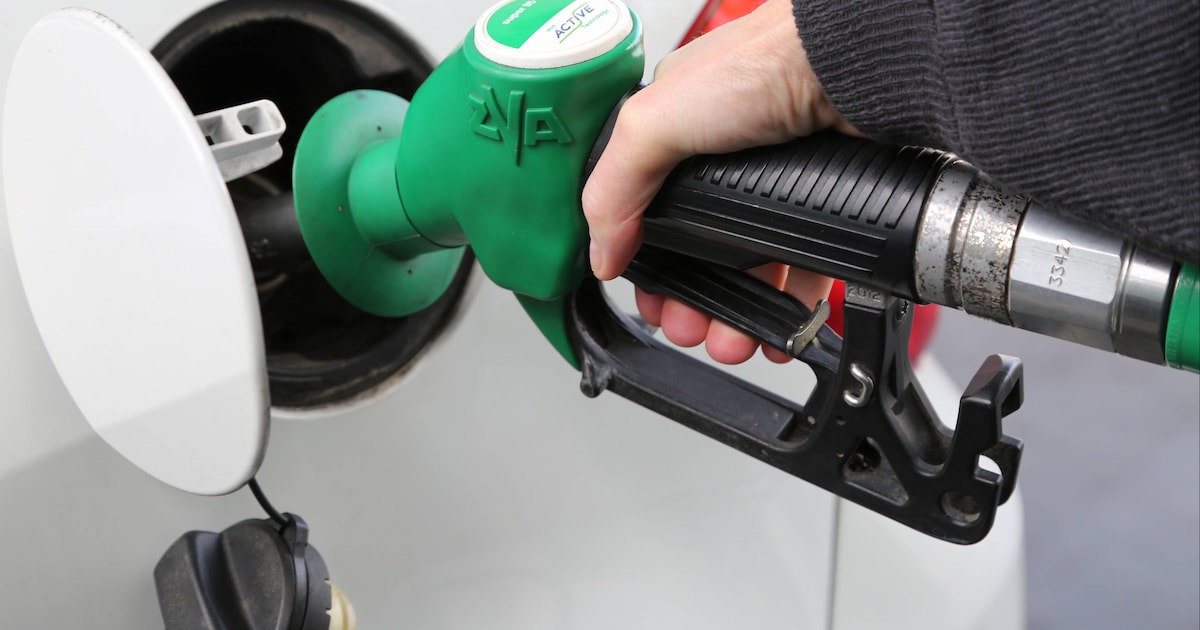
Fuel prices are rising again in many places – making simple ways to save all the more important. One of these is offered at many gas stations, but not used by all drivers. Anyone who knows them and has the right vehicle can pay several cents less per liter.
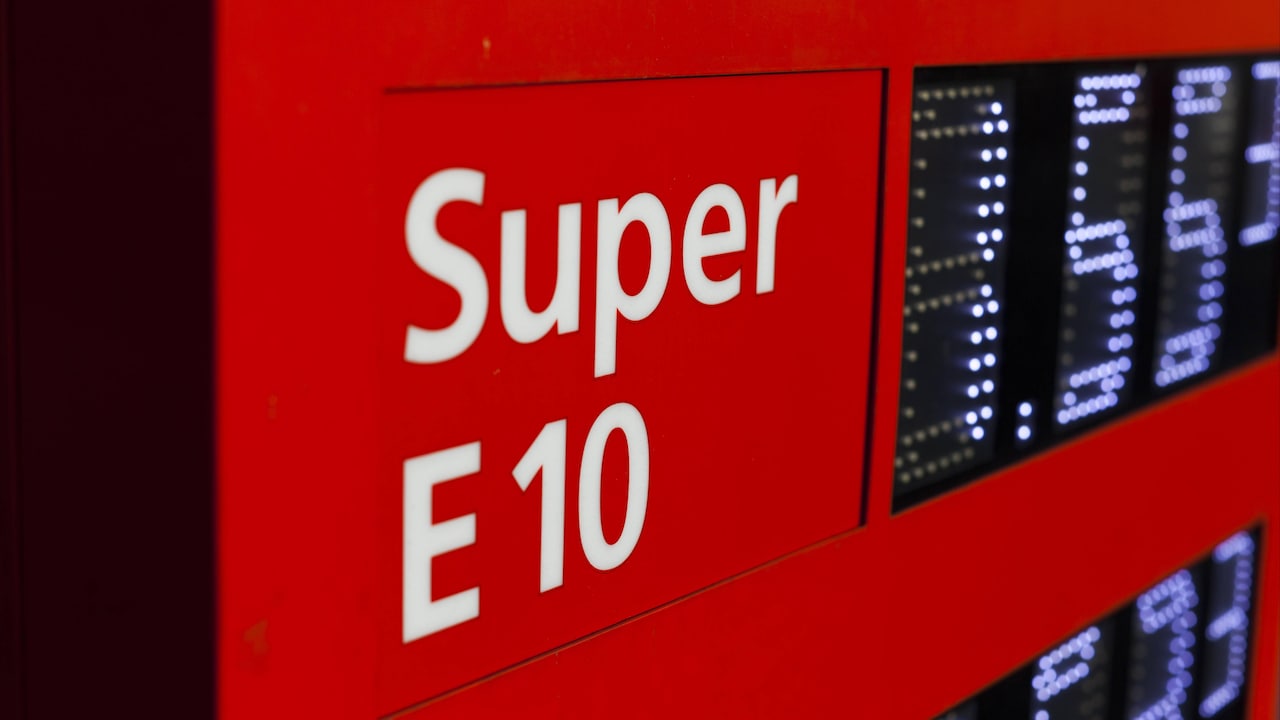
The current fuel prices seem to be rising incessantly. Saving a few cents per liter therefore sounds tempting. For petrol car owners there may be a way to achieve this. If you have not yet used Super E10, you could check whether your vehicle is suitable for it. The price difference between E10 and Super E5 is currently around six cents per liter.
What exactly is E10?
This fuel has been available for about 15 years. The twice as high proportion of ethanol is intended to reduce greenhouse gas emissions. The majority of modern vehicles are suitable for E10 premium petrol with an increased ethanol content. According to the automobile club and citing the Deutsche Automobil Treuhand (DAT), all gasoline engines that were first sold in Germany from 2012 are approved for E10.
According to ADAC, car owners can get clarity on this by consulting their vehicle’s operating instructions or looking at the inside of the fuel cap. In addition, the websites of vehicle manufacturers and importers often provide relevant information – provided you take the time to do a short research. The automobile club also points to one that is accessible free of charge List of DAT.
If there are still uncertainties, especially if the date of first registration is close to the specified year of construction, we recommend contacting the dealer or manufacturer directly.
A theoretical additional consumption – but how relevant is it?
Despite its better calorific value, the lower energy content of ethanol theoretically leads to an increase in consumption of around one percent, according to the ADAC. However, in samples taken by the car club, both increased consumption of up to 1.7 percent and reduced consumption of up to 2.21 percent were found.
The automobile club explains that different engine and control technologies make it difficult to provide a uniform statement about consumption. Nevertheless, the biggest differences in everyday life can usually be attributed to individual driving styles and external factors such as traffic flow. The conclusion is: If you continue to drive the same way, filling up with E10 can be financially advantageous.
What happens if your vehicle doesn’t tolerate E10?
If your car is not approved for E10, the higher bioethanol content could have a corrosive effect on aluminum or make elastomer seals in the fuel system brittle, according to the ADAC. This could lead to fuel system leaks. However, such problems are rare.
If you accidentally fill up with the wrong fuel, you should stick to the manufacturer’s instructions, advise the ADAC and Tüv Süd. It is often enough to fill the tank directly with a fuel with a lower ethanol content to make the mixing ratio less problematic. Professional advice is recommended here.
However, if the tank has been completely filled with E10, in individual cases it may be necessary – depending on the vehicle manufacturer’s specifications – to pump out the fuel in order to avoid possible damage. In this case too, professional support is advisable.
[ad_2]
About the Author