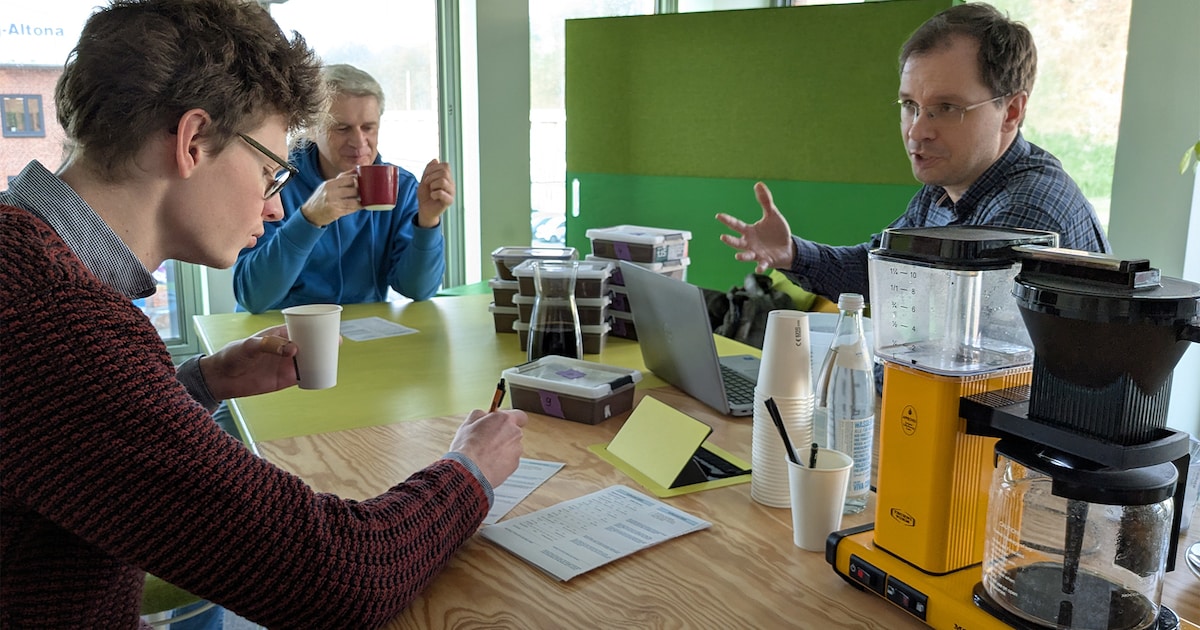
Discount and supermarket coffee is widely available and sells well. However, ground, vacuum-packed coffee doesn’t always have the best reputation. We had 11 coffees blind taste-tested by 18 people and tell you which varieties performed well and which didn’t. You’ll also get other important insights and observations from the test.
Our recommendations and offers at a glance
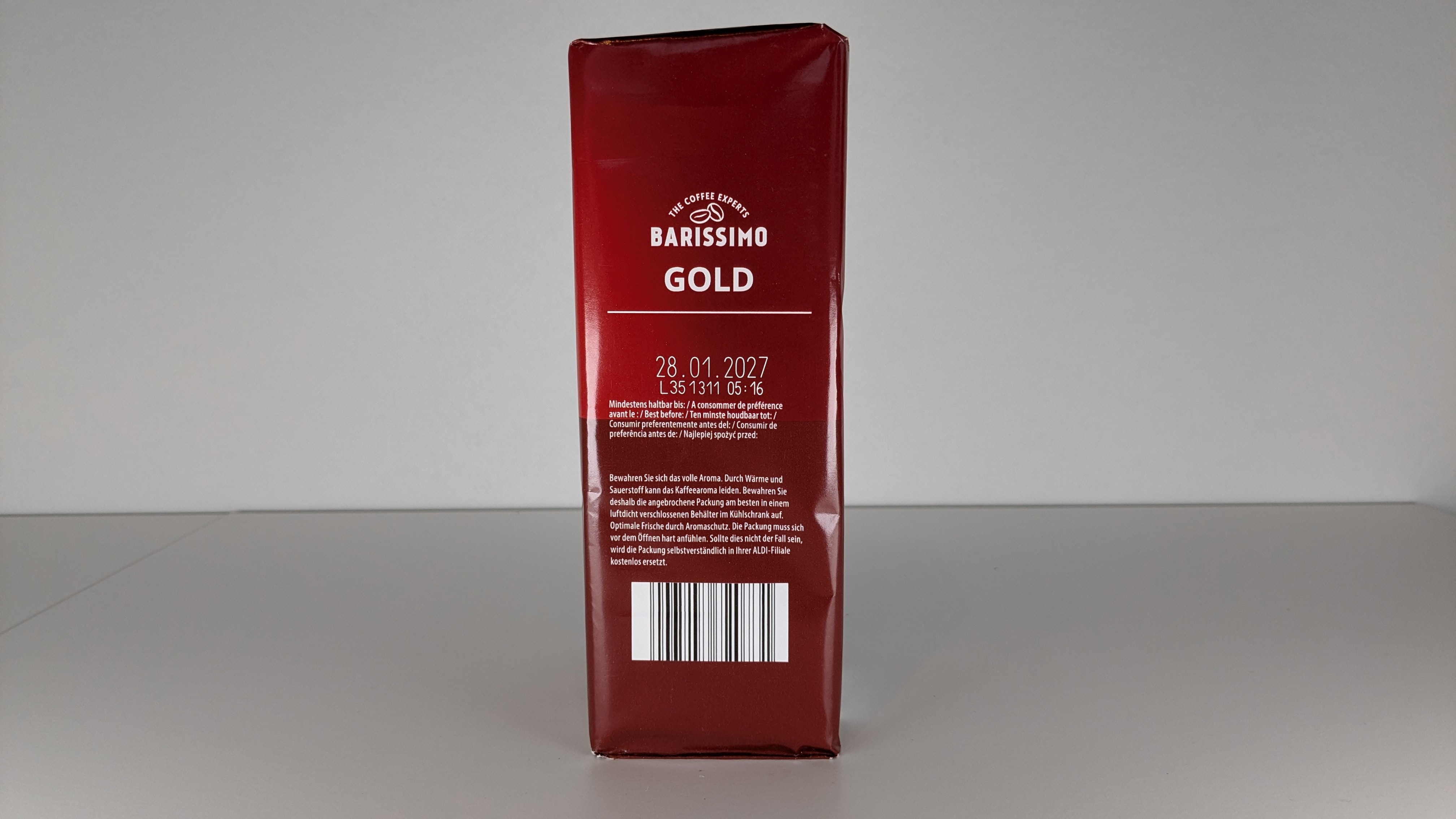
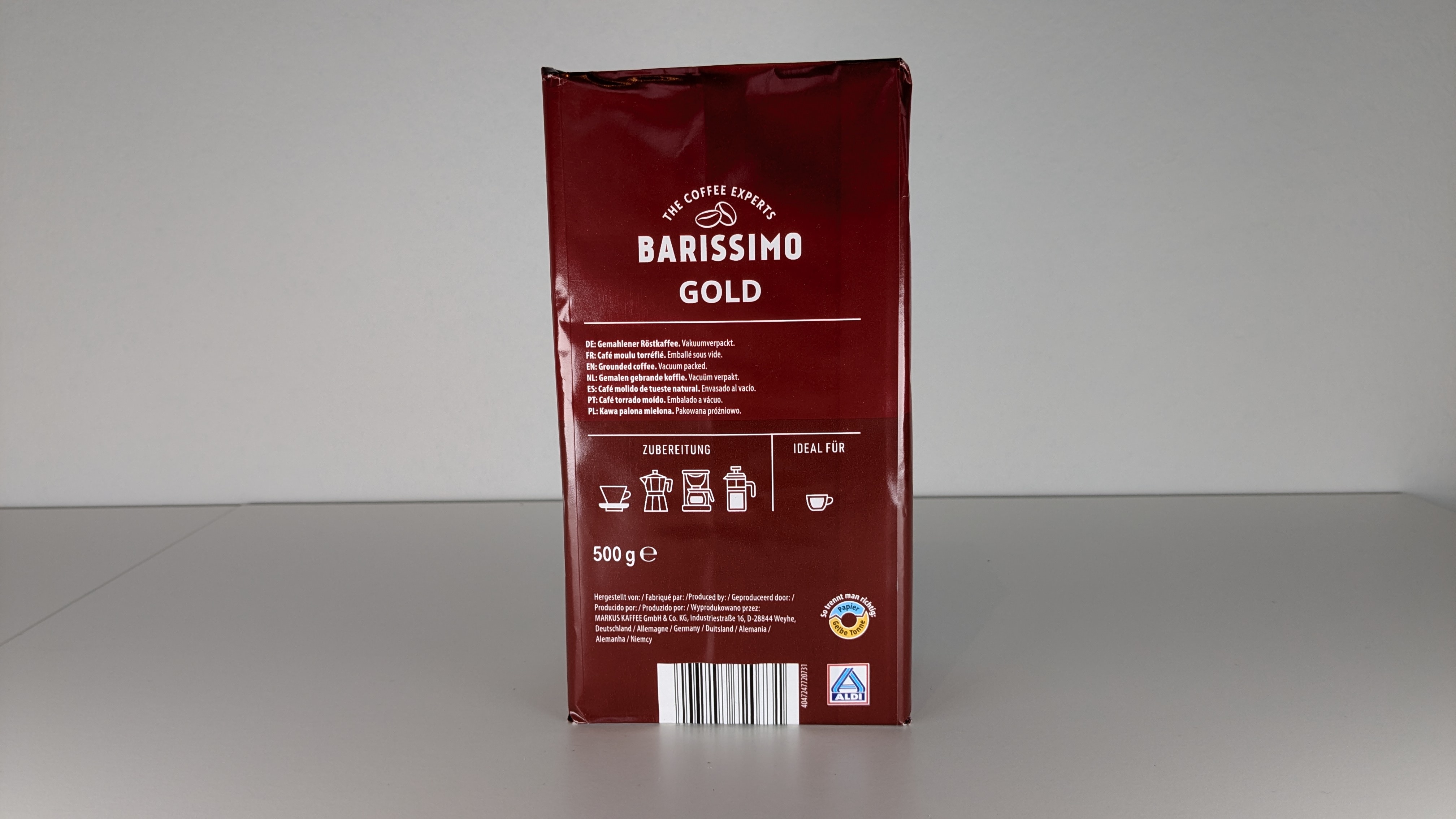
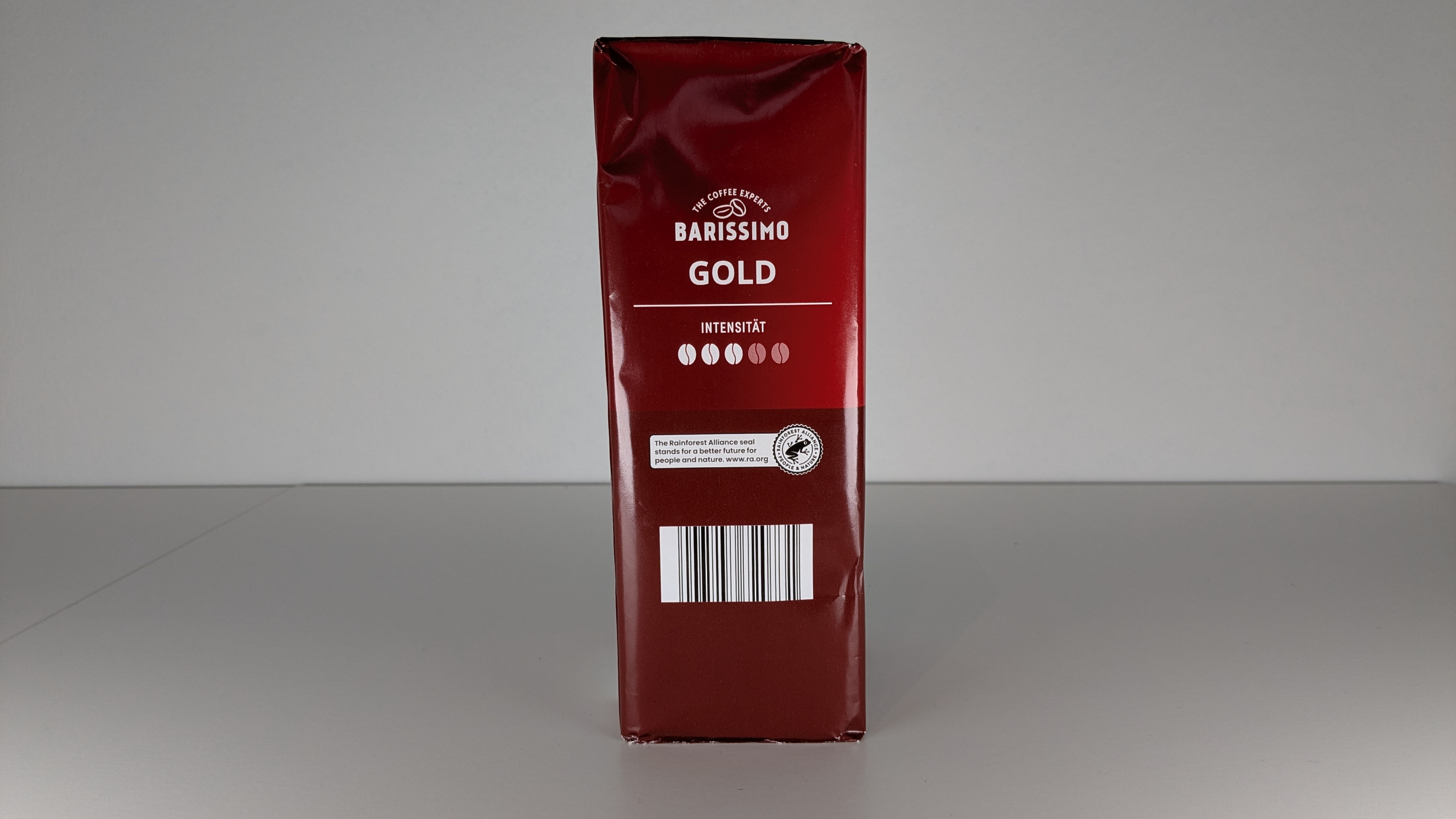
Test winner: Barissimo Gold (Aldi Nord) at Aldi Nord
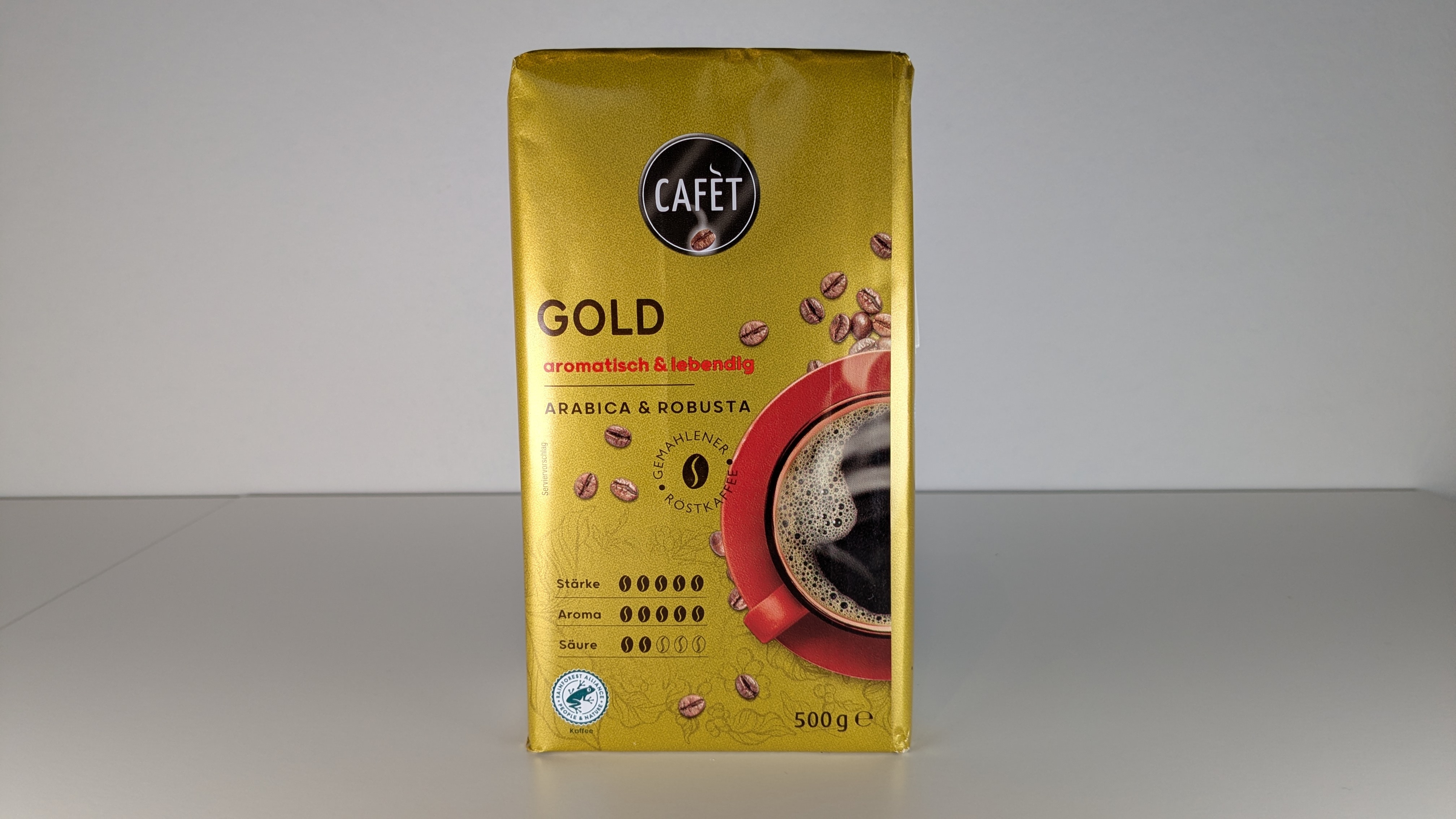
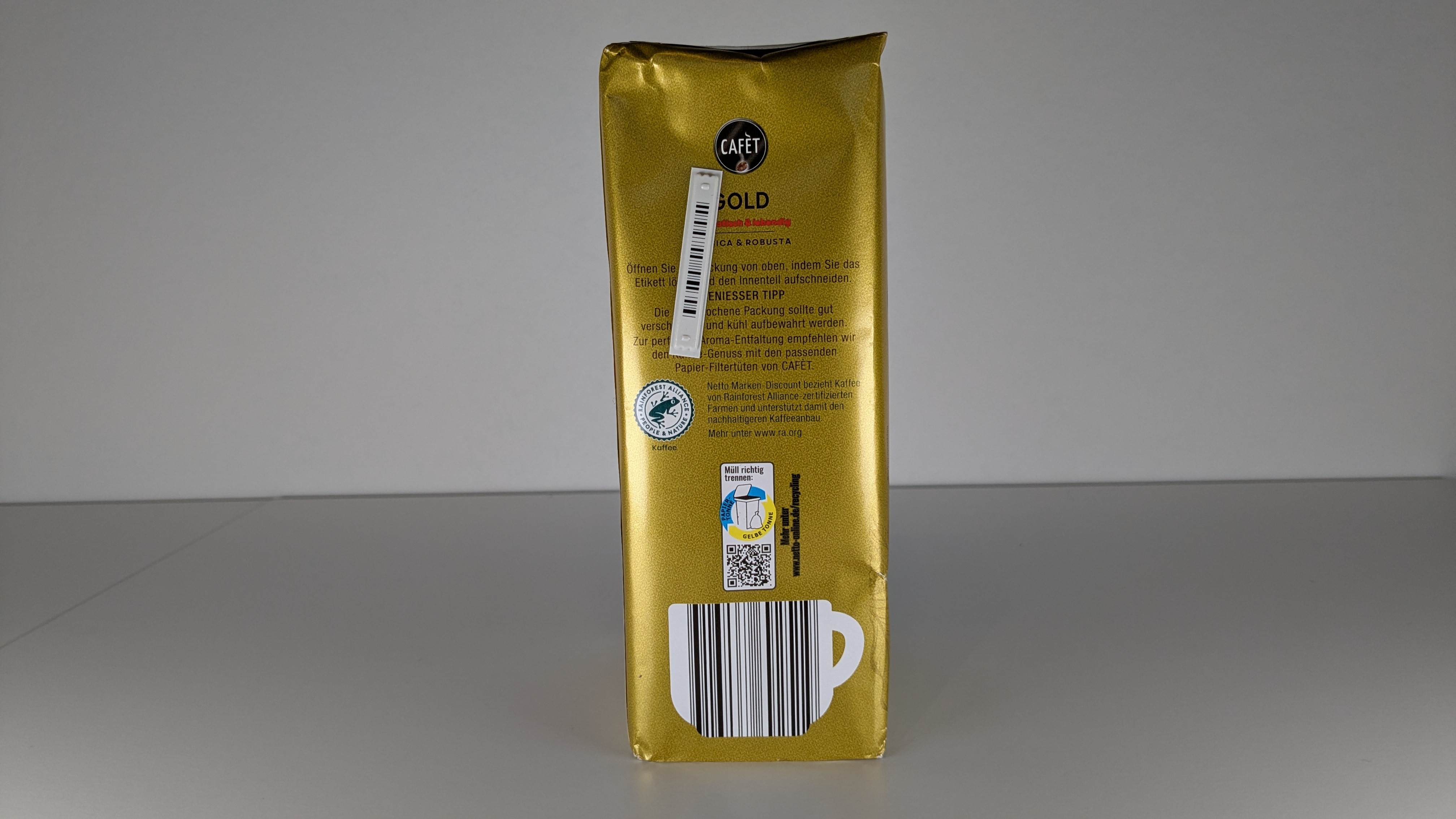
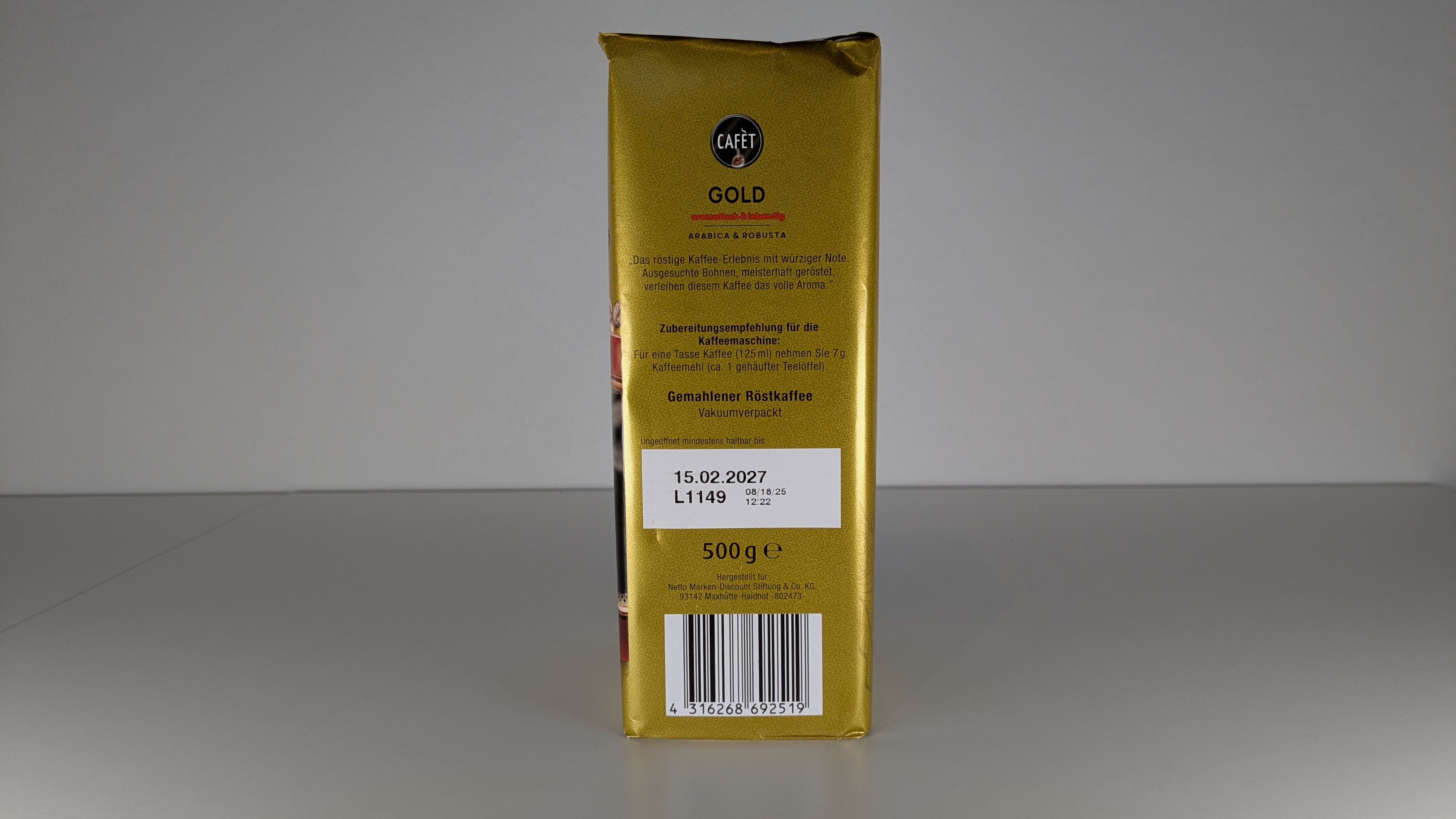
2nd place: Cafèt Gold (Netto) at Netto
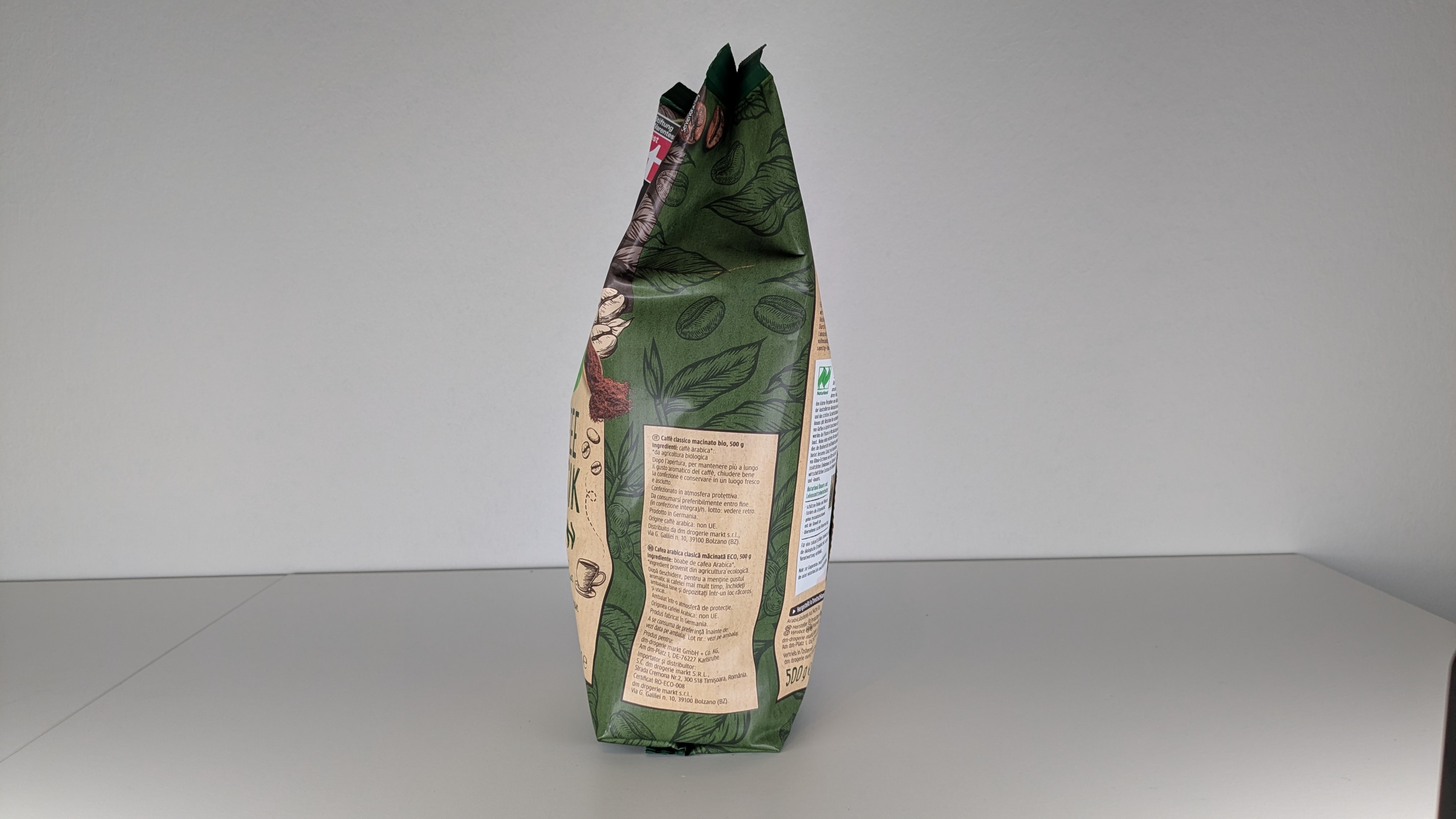
3rd place: Bio Kaffee Klassik (DM) at DM
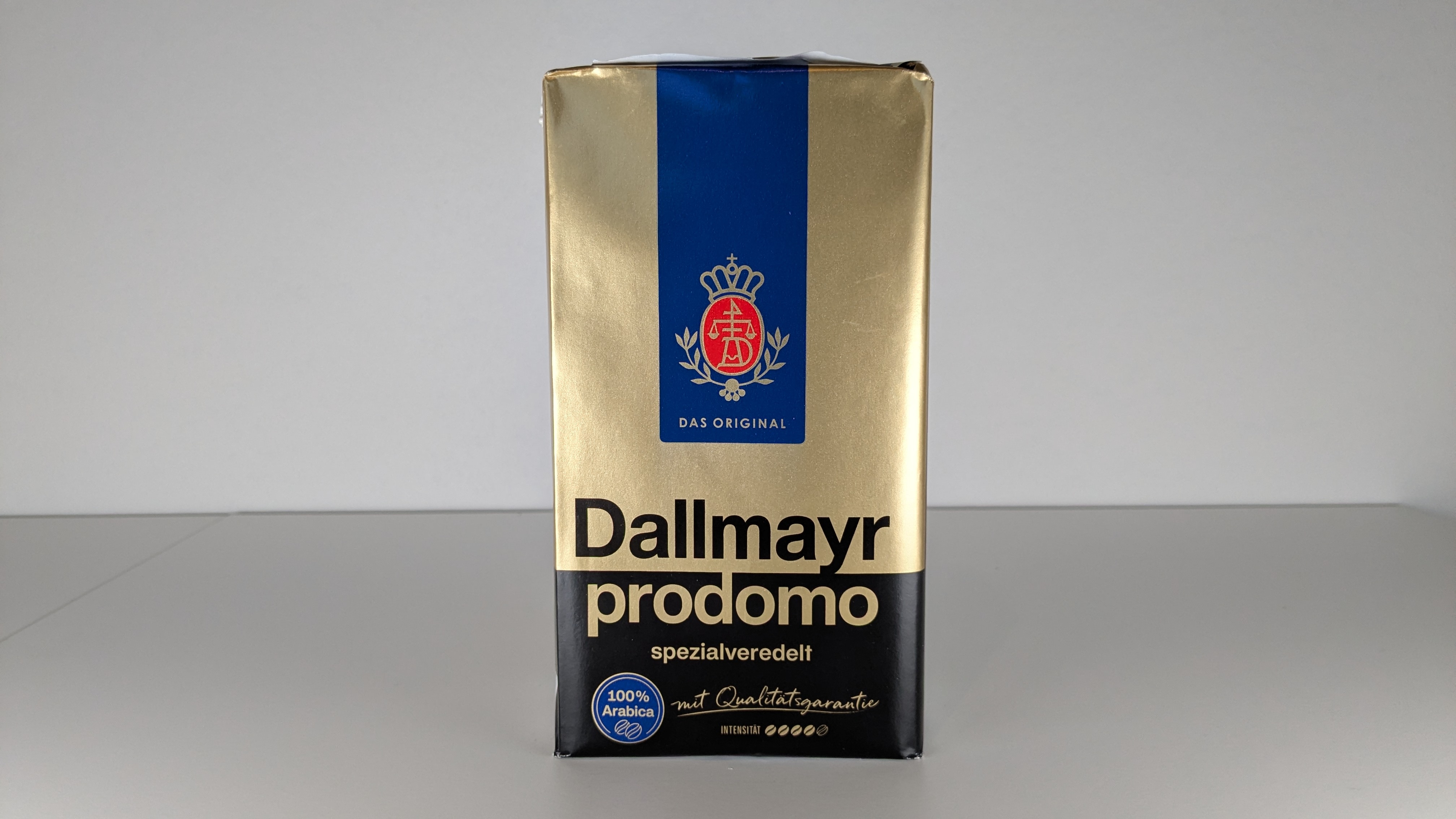
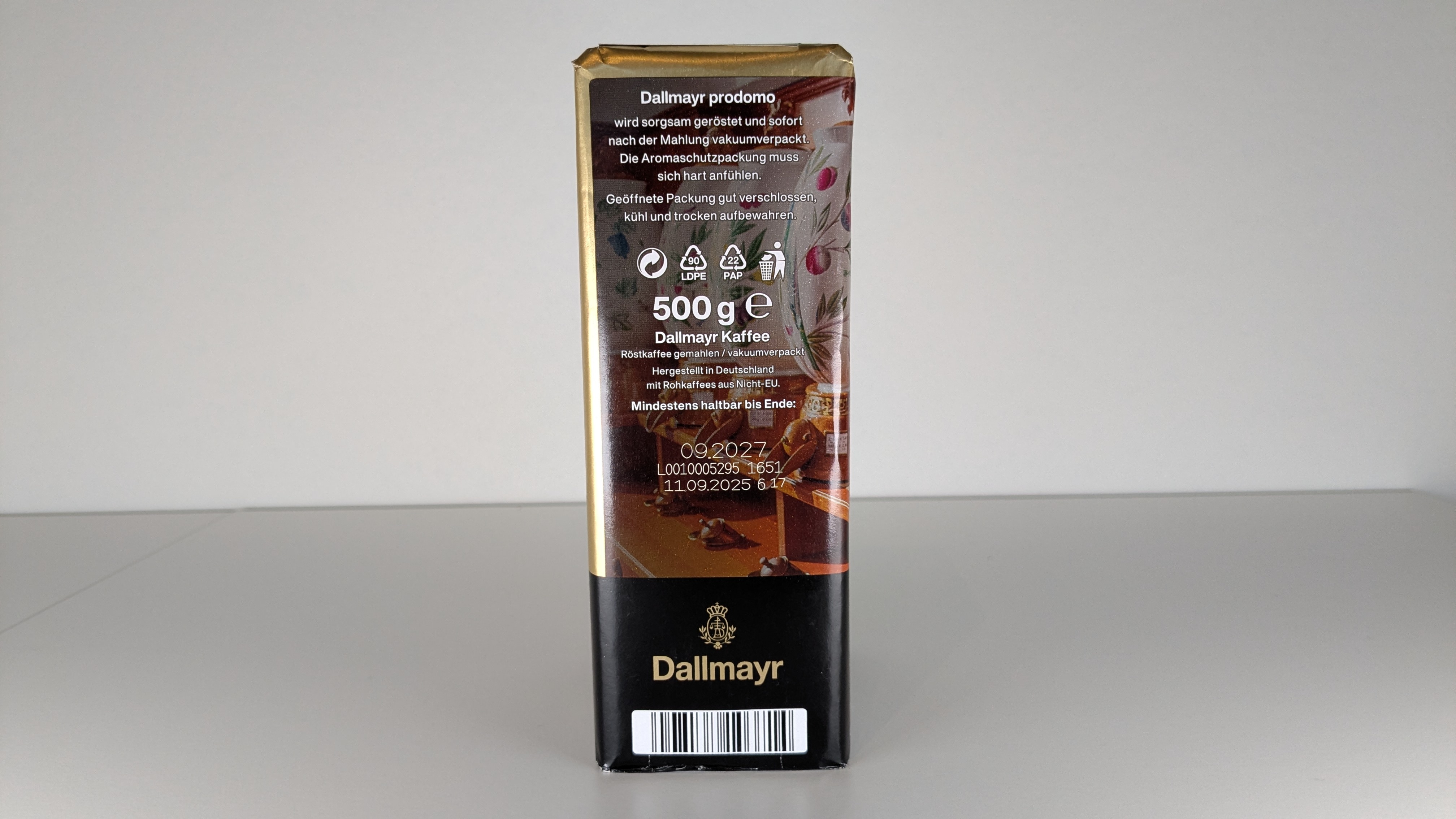
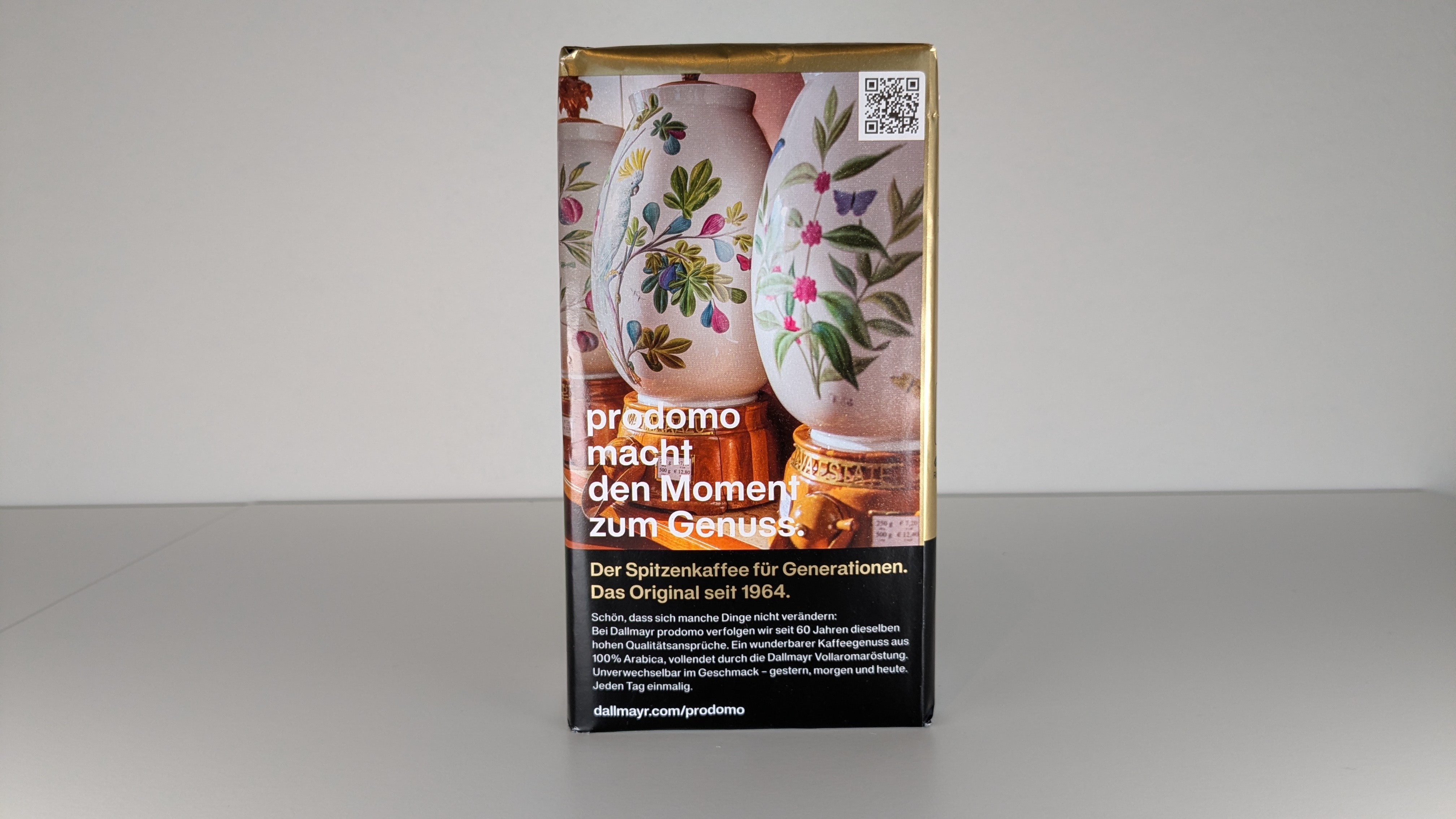
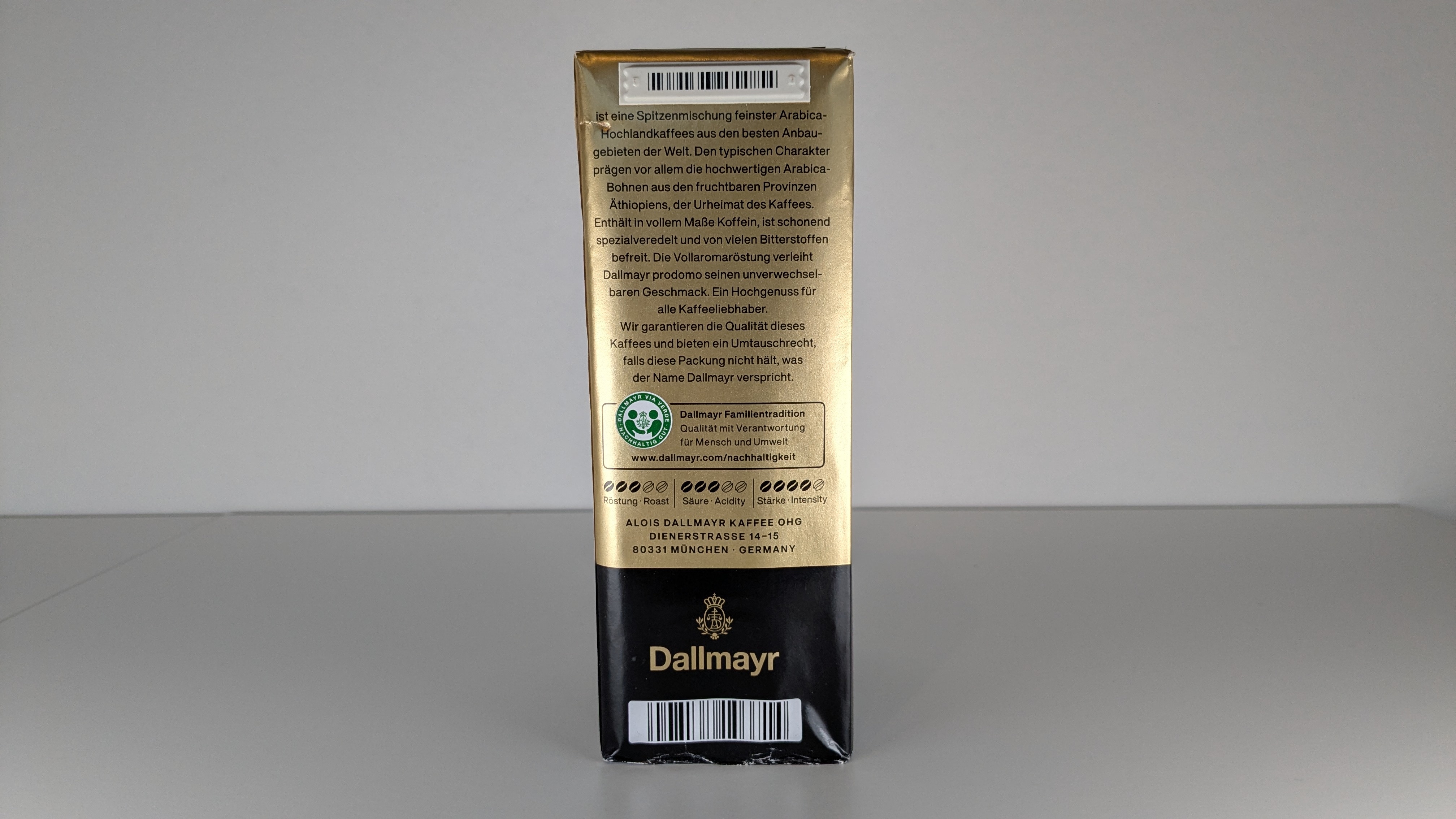
4th place: Dallmayr Prodomo at Böttcher AG
6th place: Melitta Auslese Klassisch at Böttcher AG
Note: The ranking as a price tip or based on price limits is based on the cheapest shop offer in our price comparison; the price in the linked shop may differ.
Table of Contents
Comparison table: 11 supermarket and discount store coffees
Product details
How CHIP tests discount and supermarket coffee
Summary of results
What you should know about coffee before buying
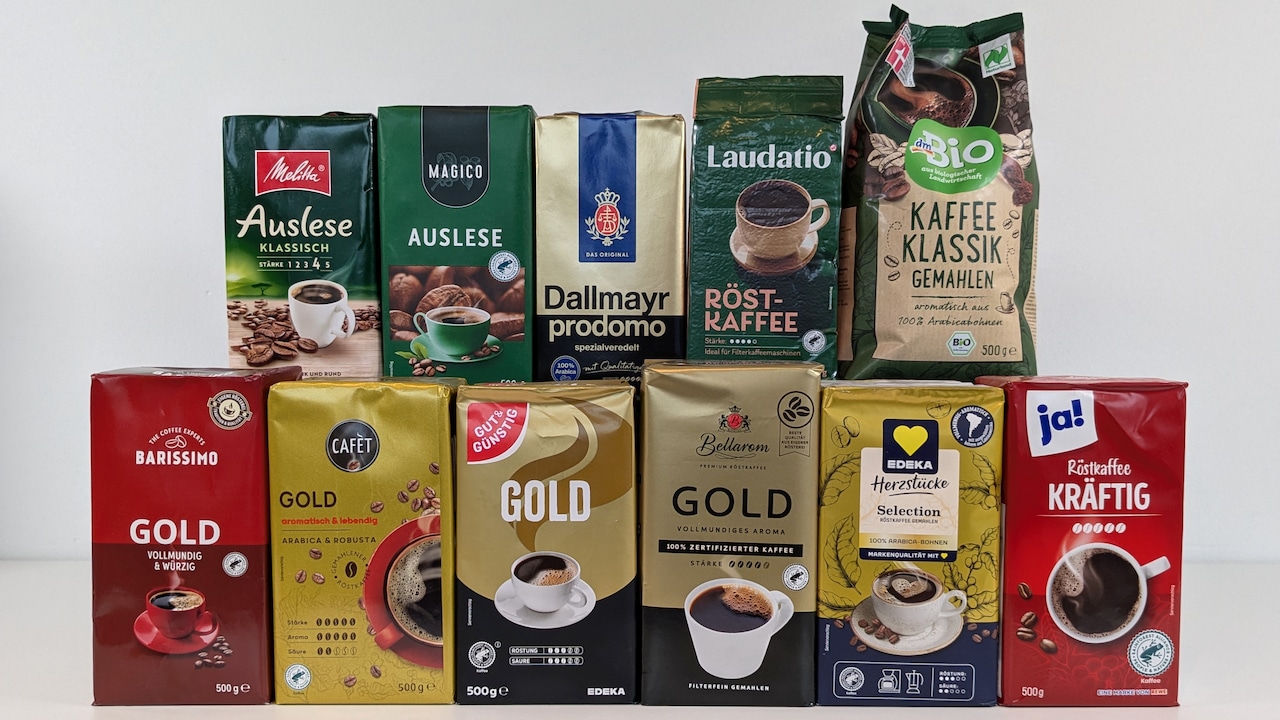
Aldi Nord, DM, Edeka, Lidl, Netto, Penny, and Rossmann – on a beautiful afternoon, the CHIP editorial team visited several supermarkets and discount stores and raided their coffee shelves. Eleven varieties found their way into our backpacks because we wanted to know: Which is the best? And: Is discount store coffee really as bad as its reputation suggests? For this test, we had 18 people blind taste liters of coffee. The results are a resounding success for some brands, and quite bitter for others.
In this article, we present the results for all eleven coffee varieties. It’s important to explain the testing procedure and the subsequent observations from the test, because: There can be good reasons why you don’t like the test winner and the last-placed coffee becomes your new favorite. We also discuss the differences between pre-ground coffee and coffee made from whole beans. Finally, we try to answer the question of how much money you should spend on coffee at the supermarket.
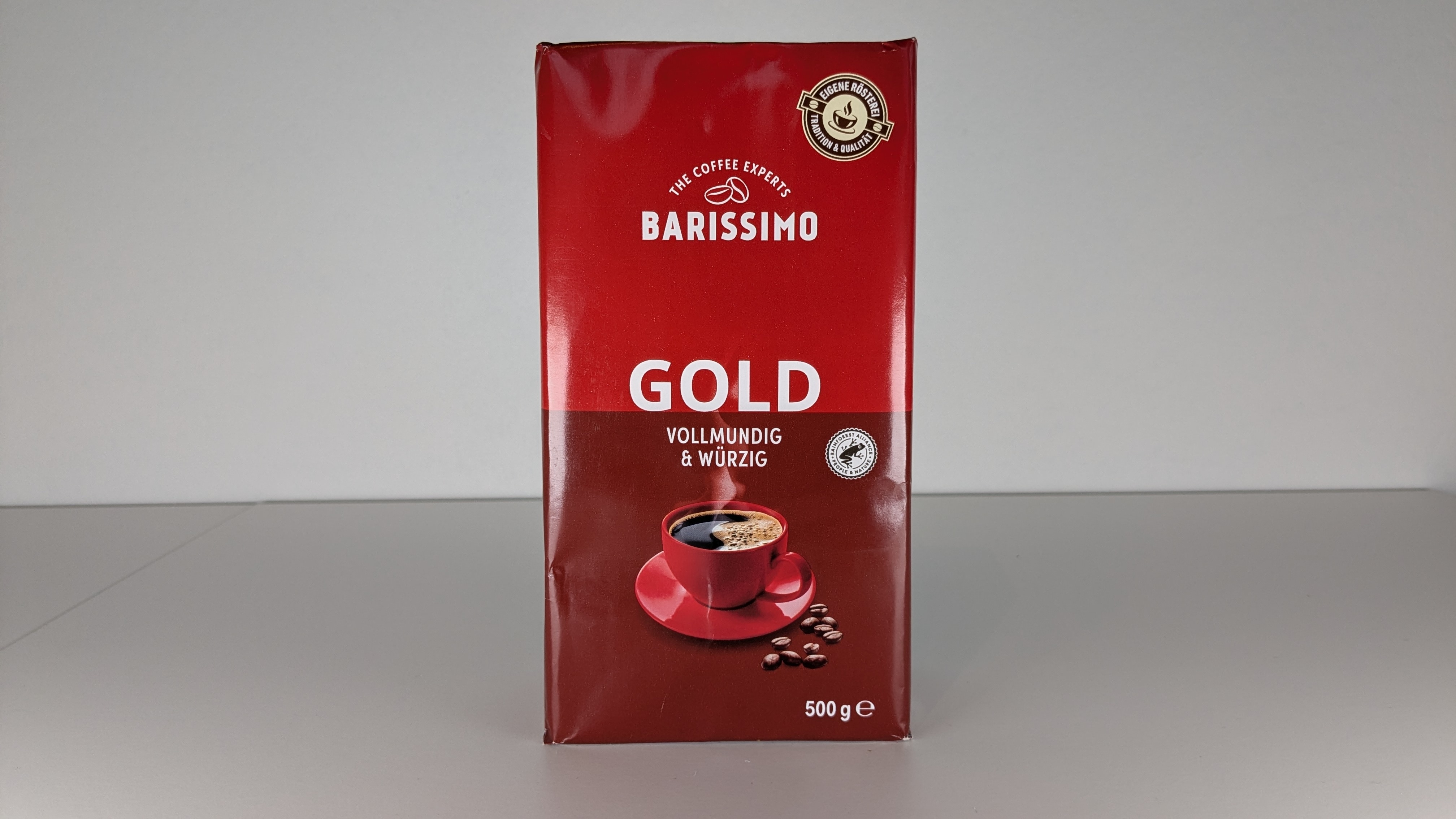
Barissimo Gold (Aldi Nord) 500 Gramm von vorne.
Barissimo Gold (Aldi Nord) 500 Gramm.
Bildquelle: CHIP / Rian Voß
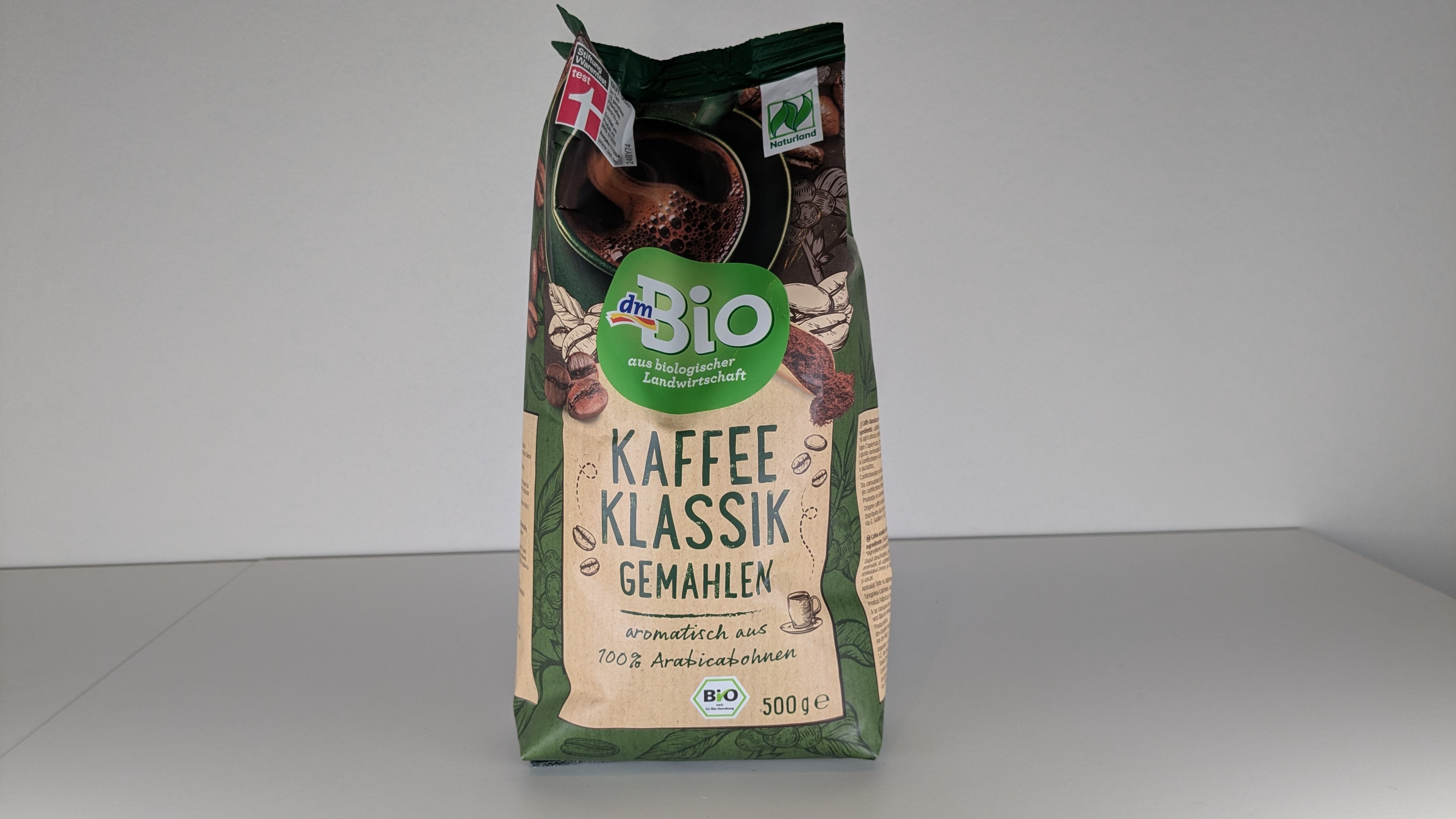
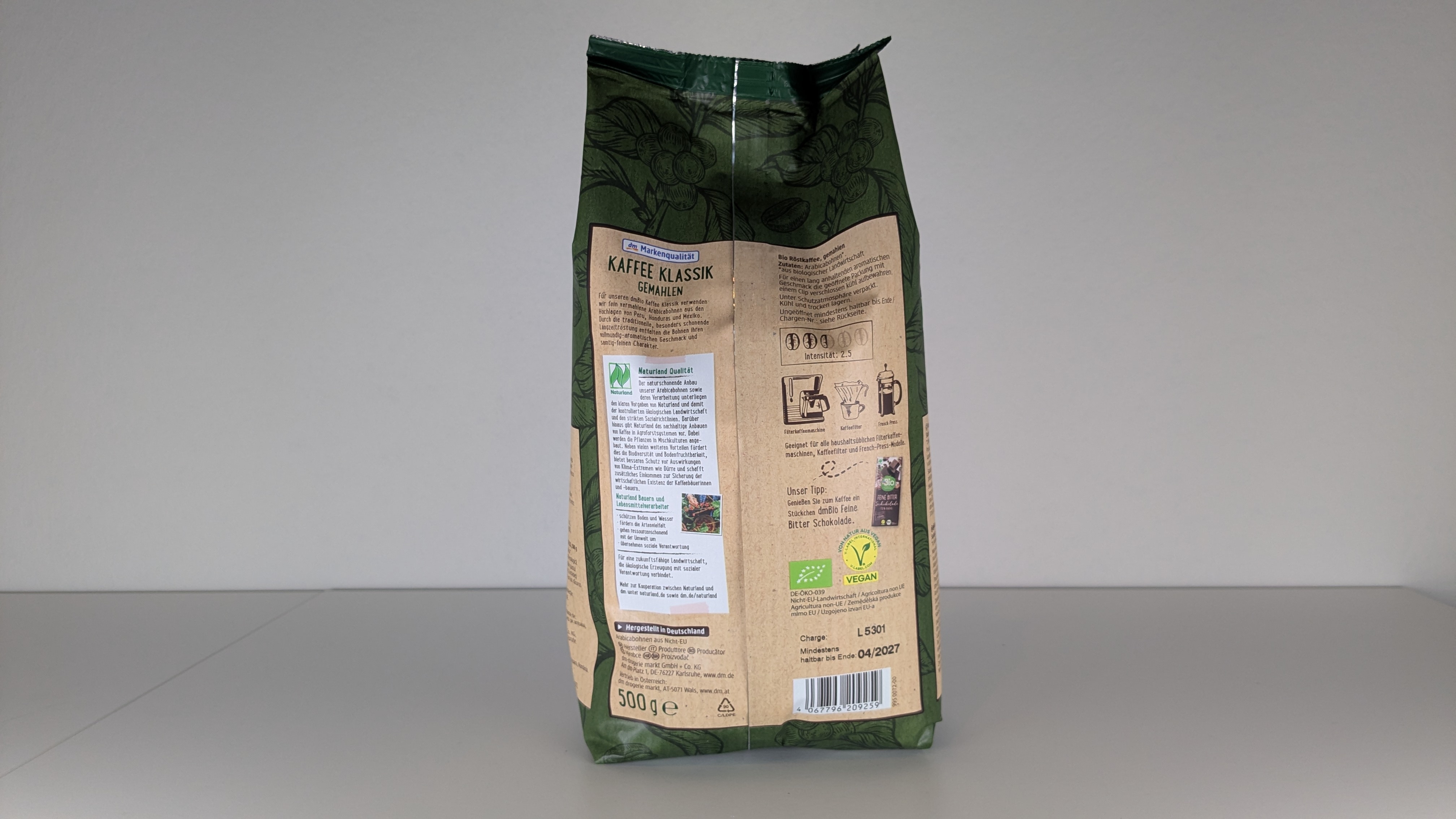
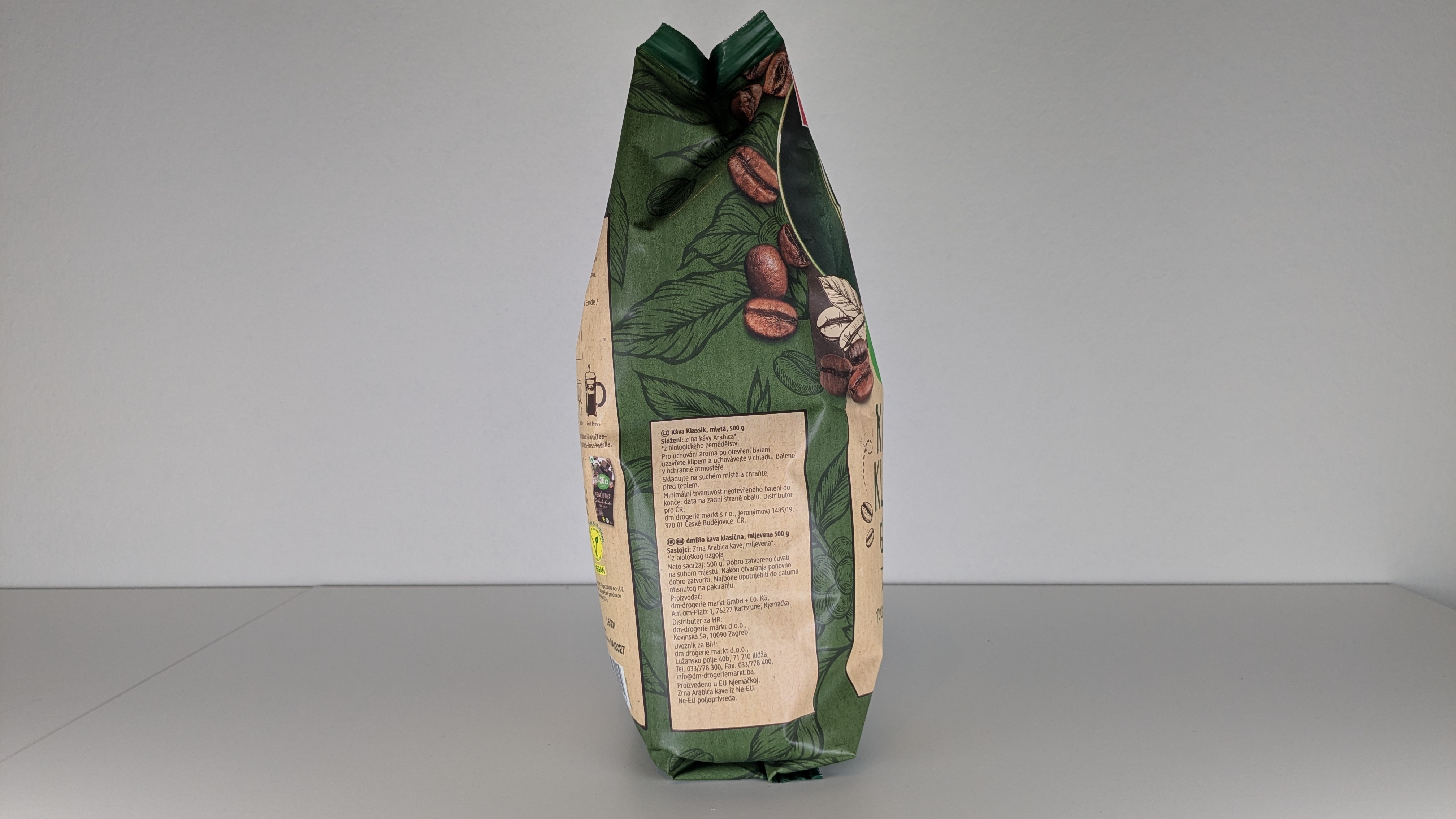
DM Bio Kaffee Klassik Kaffeepackung 500 Gramm von vorne.
DM Bio Kaffee Klassik 500 Gramm.
Bildquelle: CHIP / Rian Voß
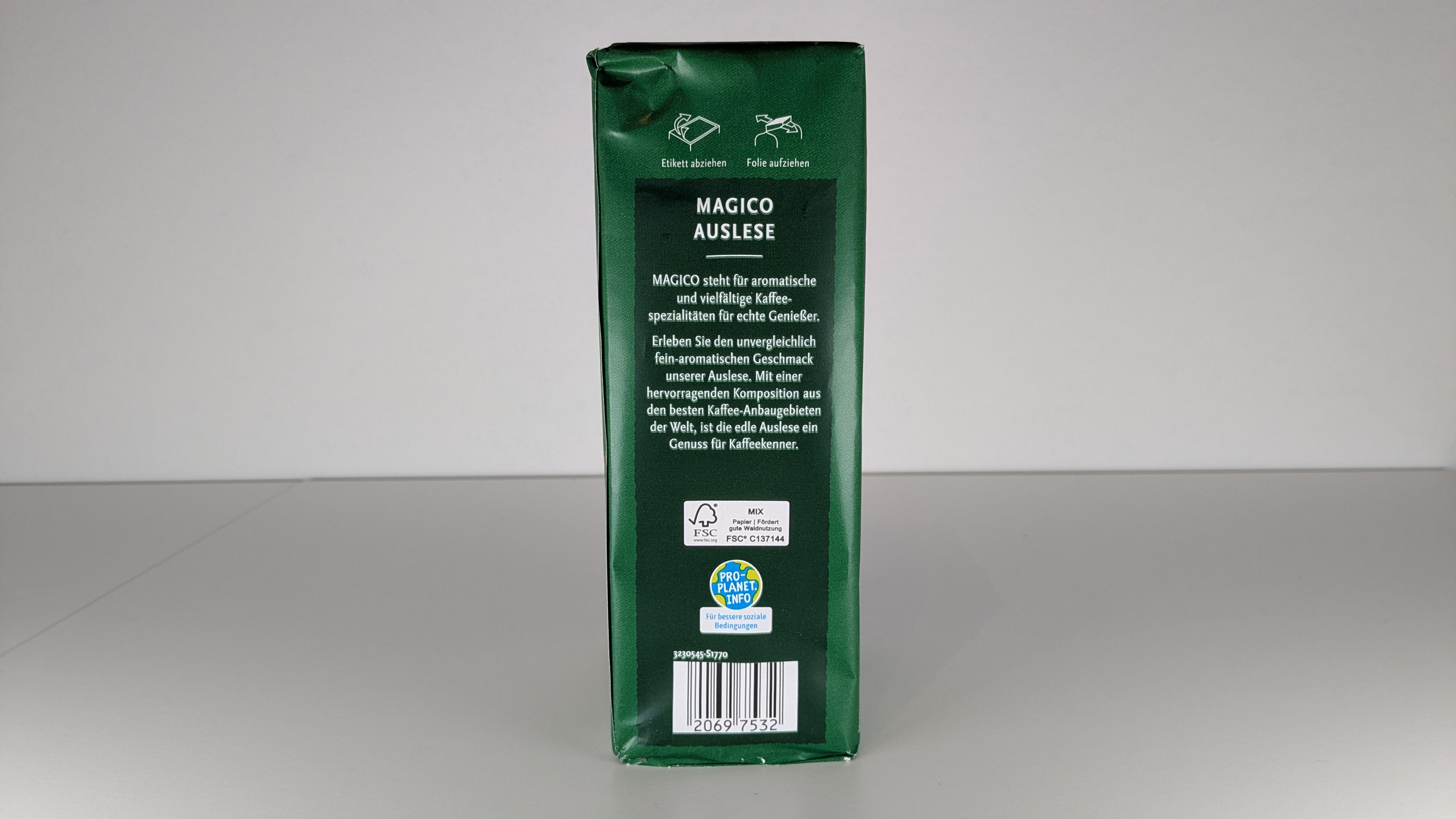
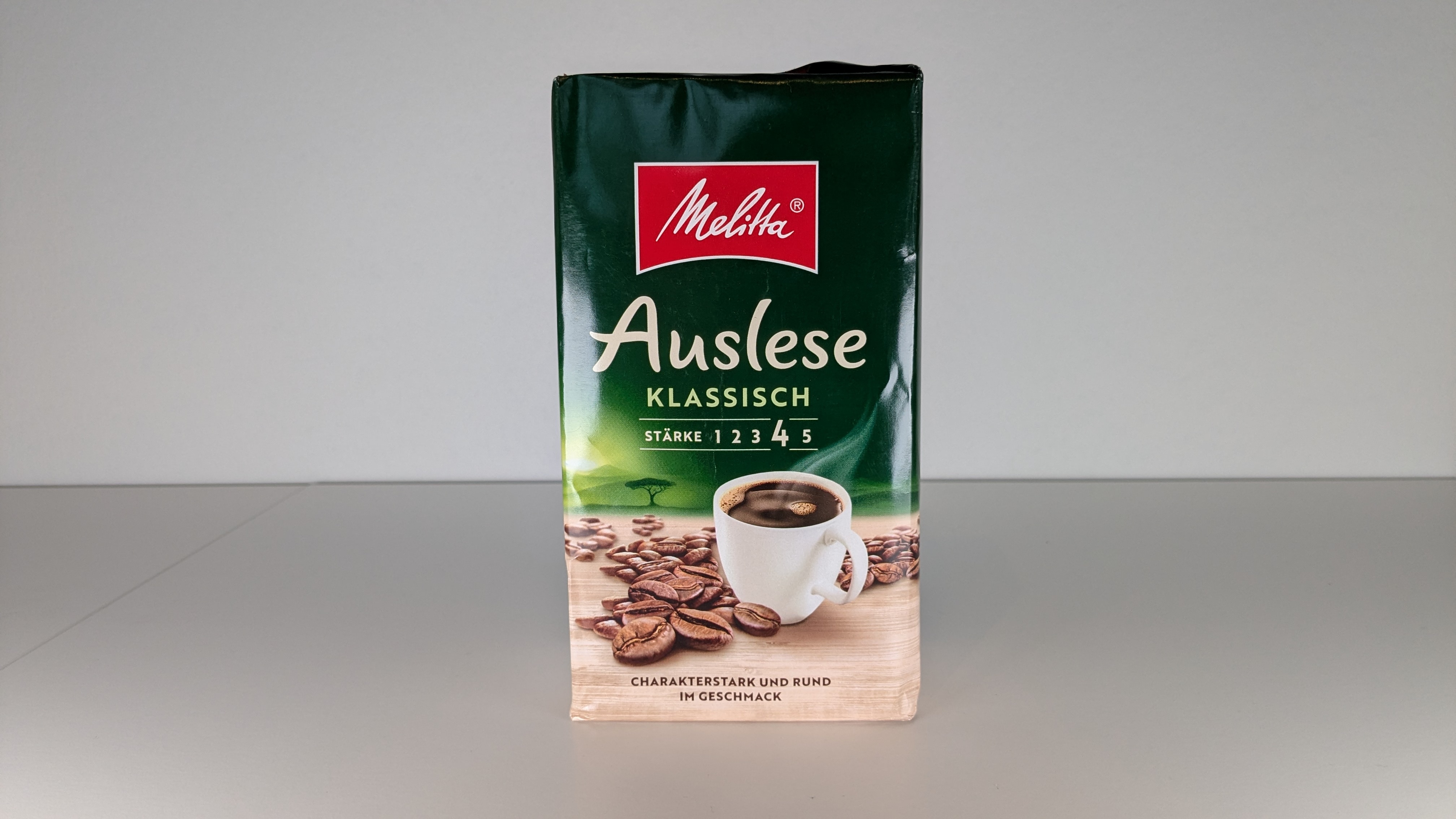
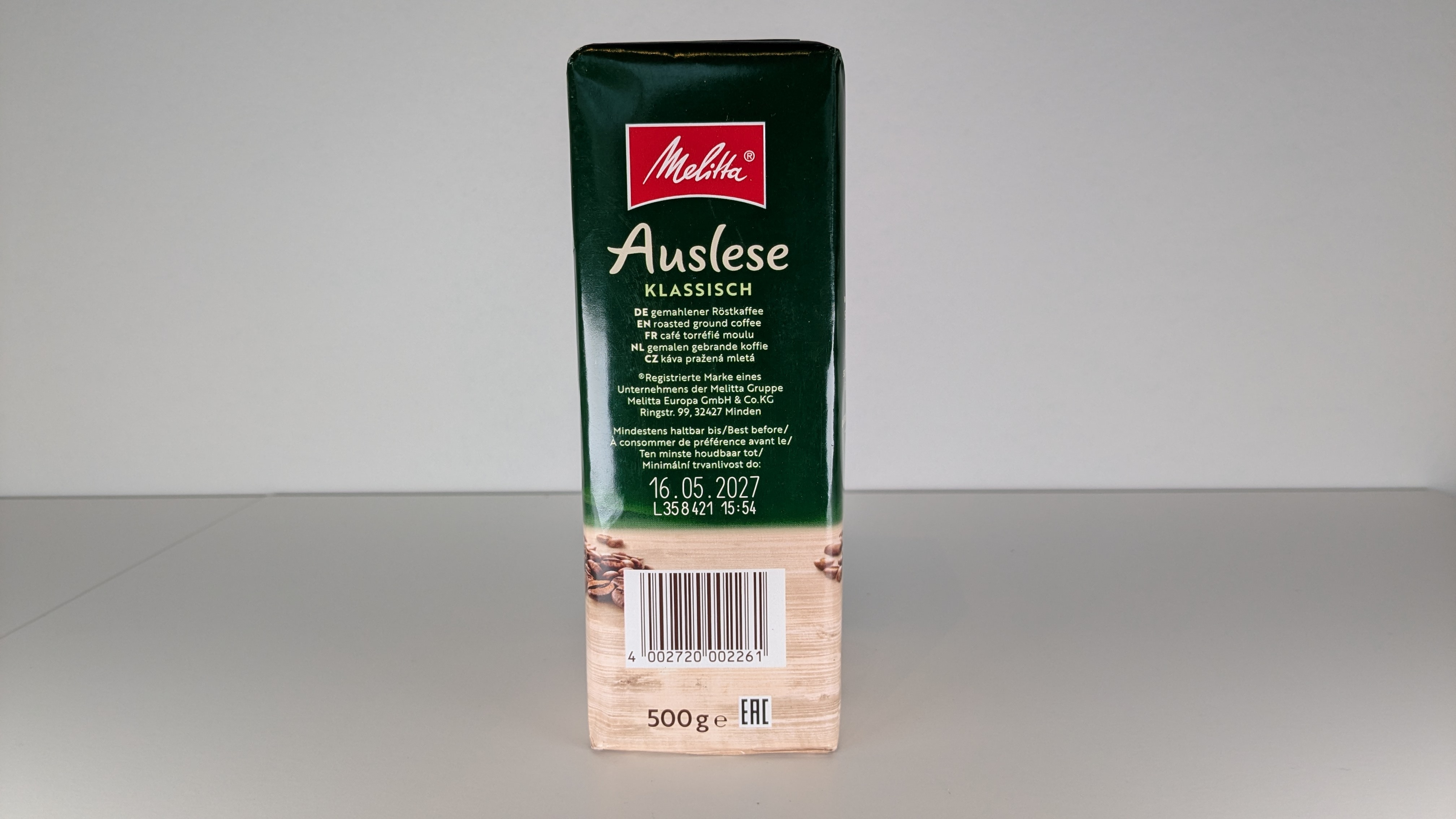
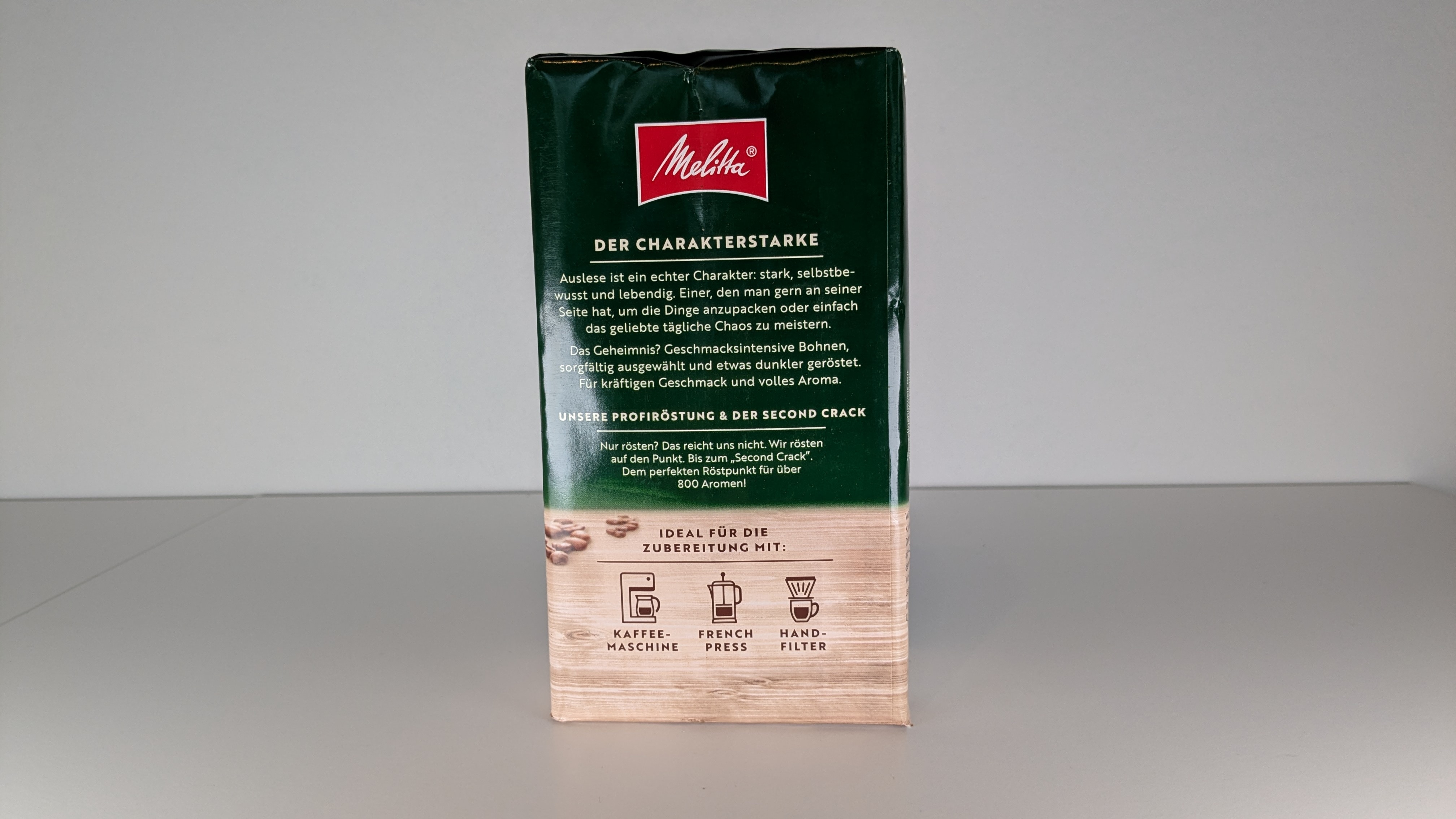
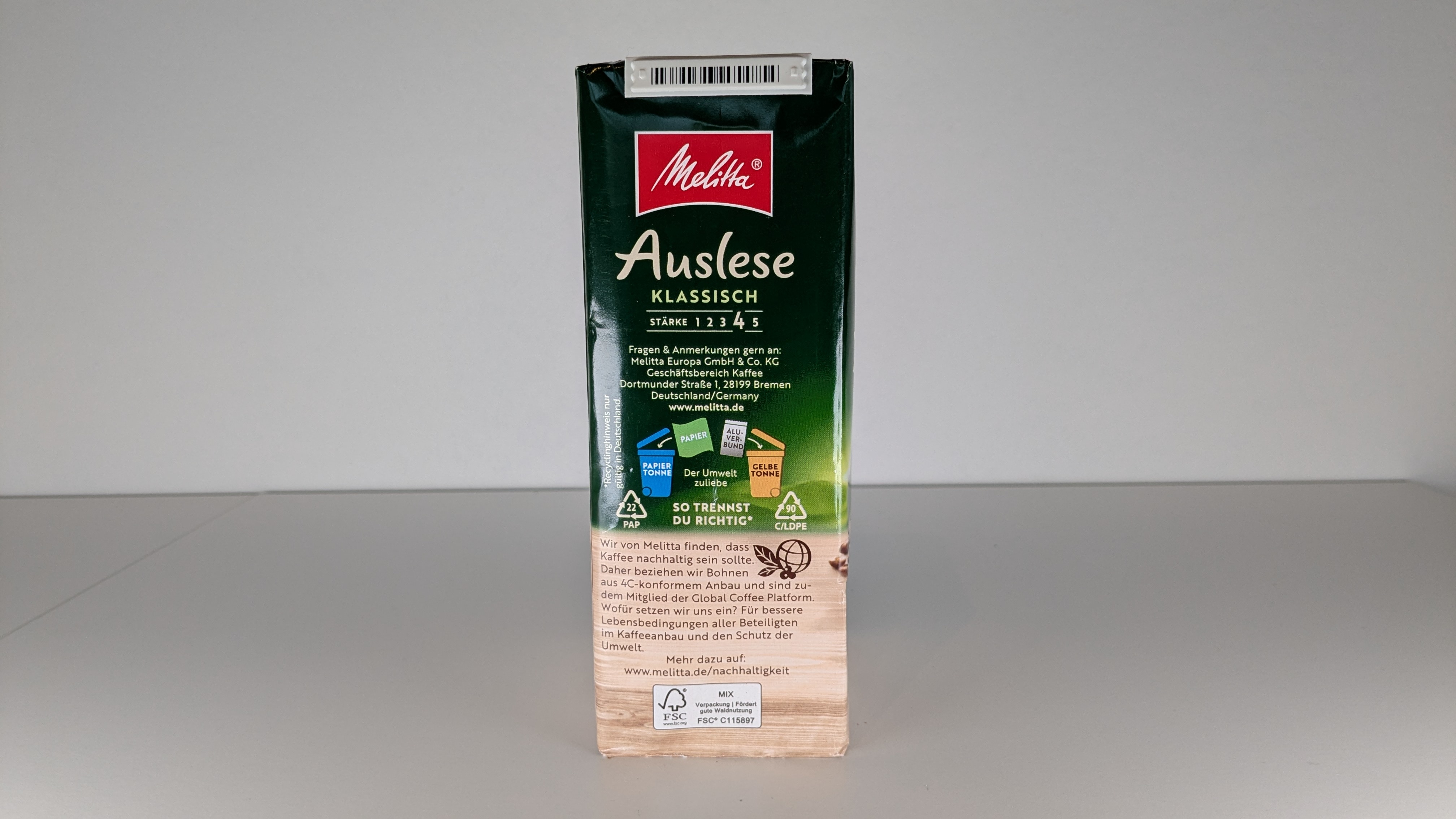
Melitta Auslese Klassisch 500 Gramm von vorne.
Melitta Auslese Klassisch 500 Gramm.
Bildquelle: CHIP / Rian Voß
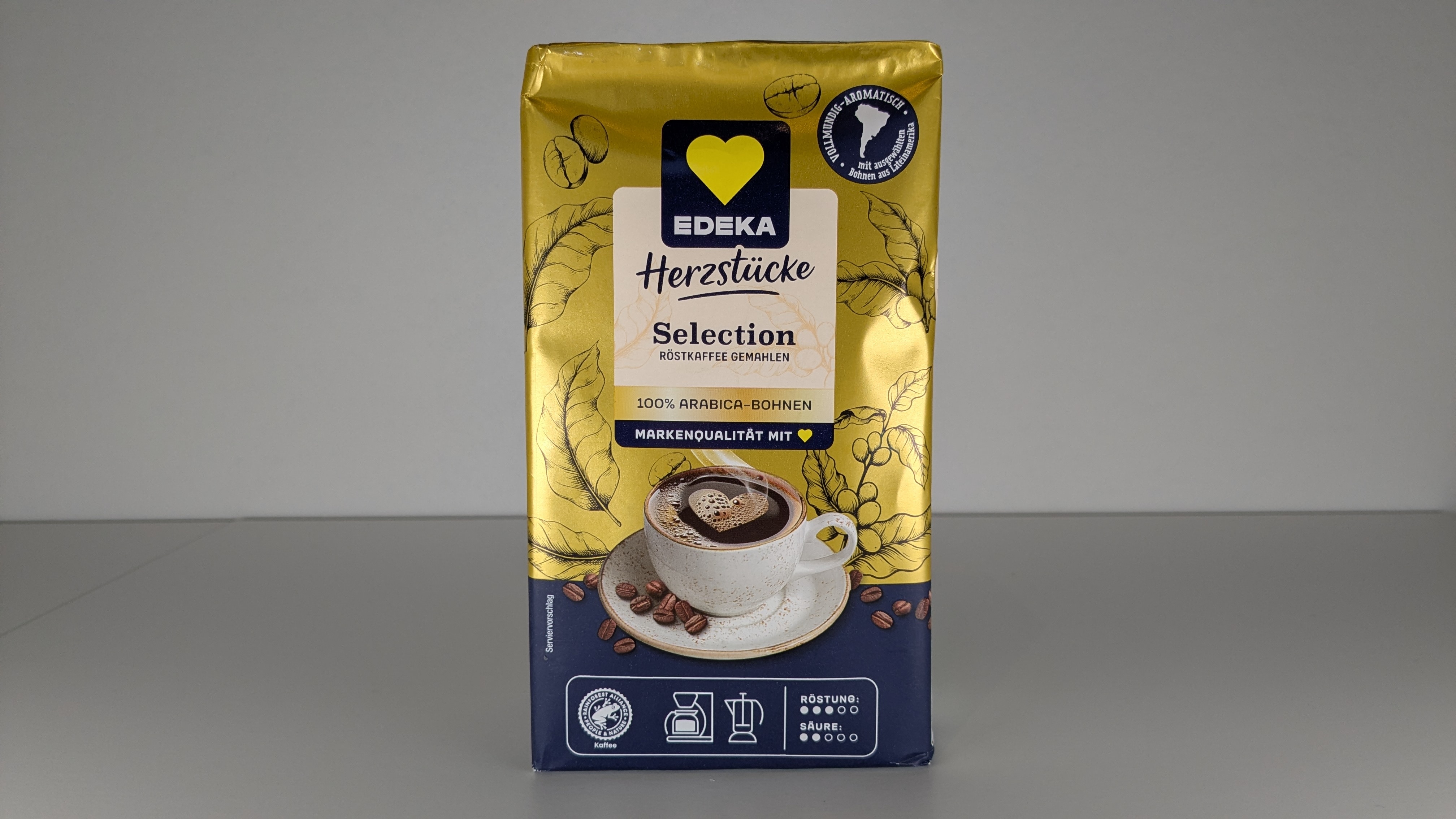
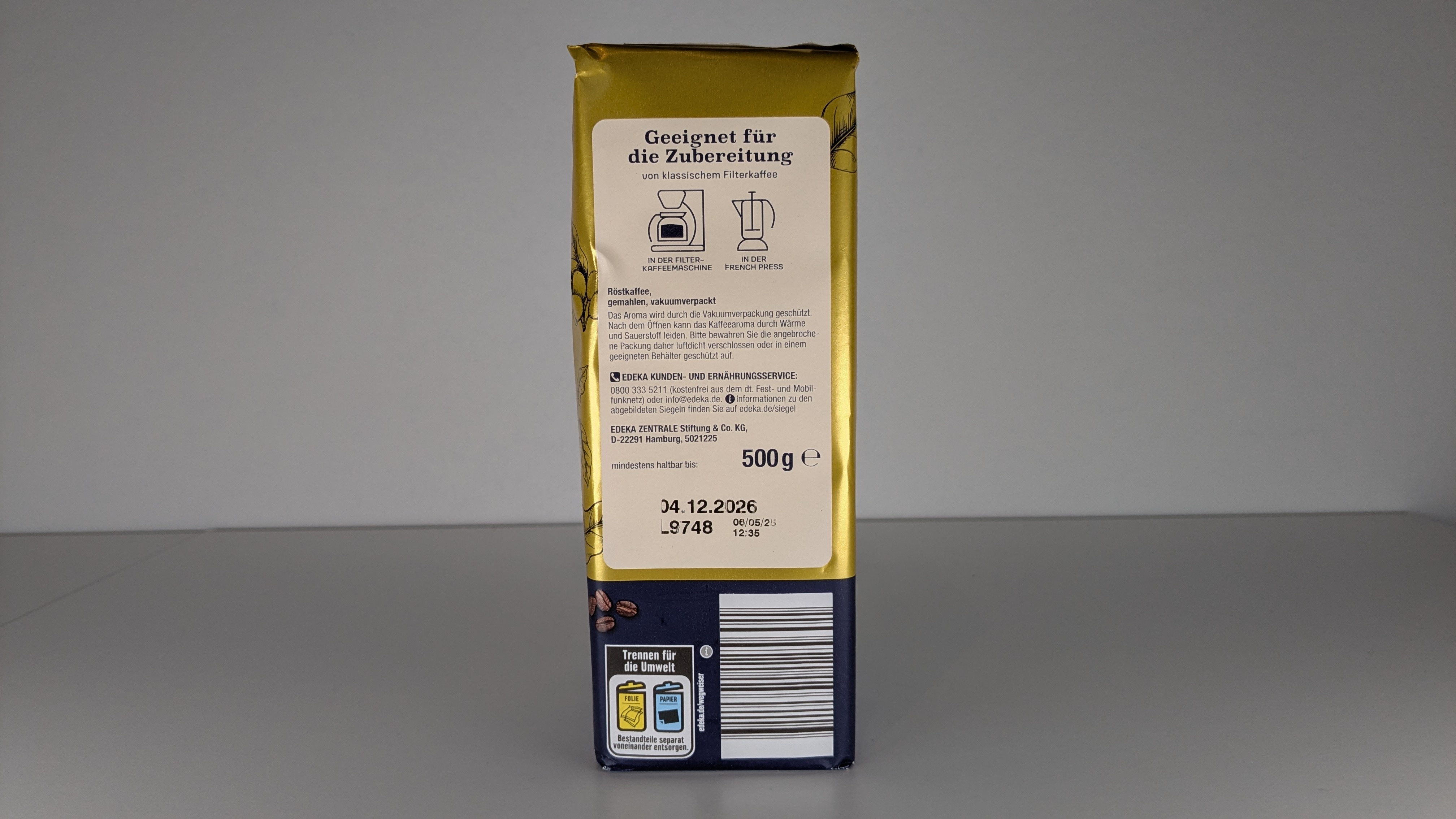
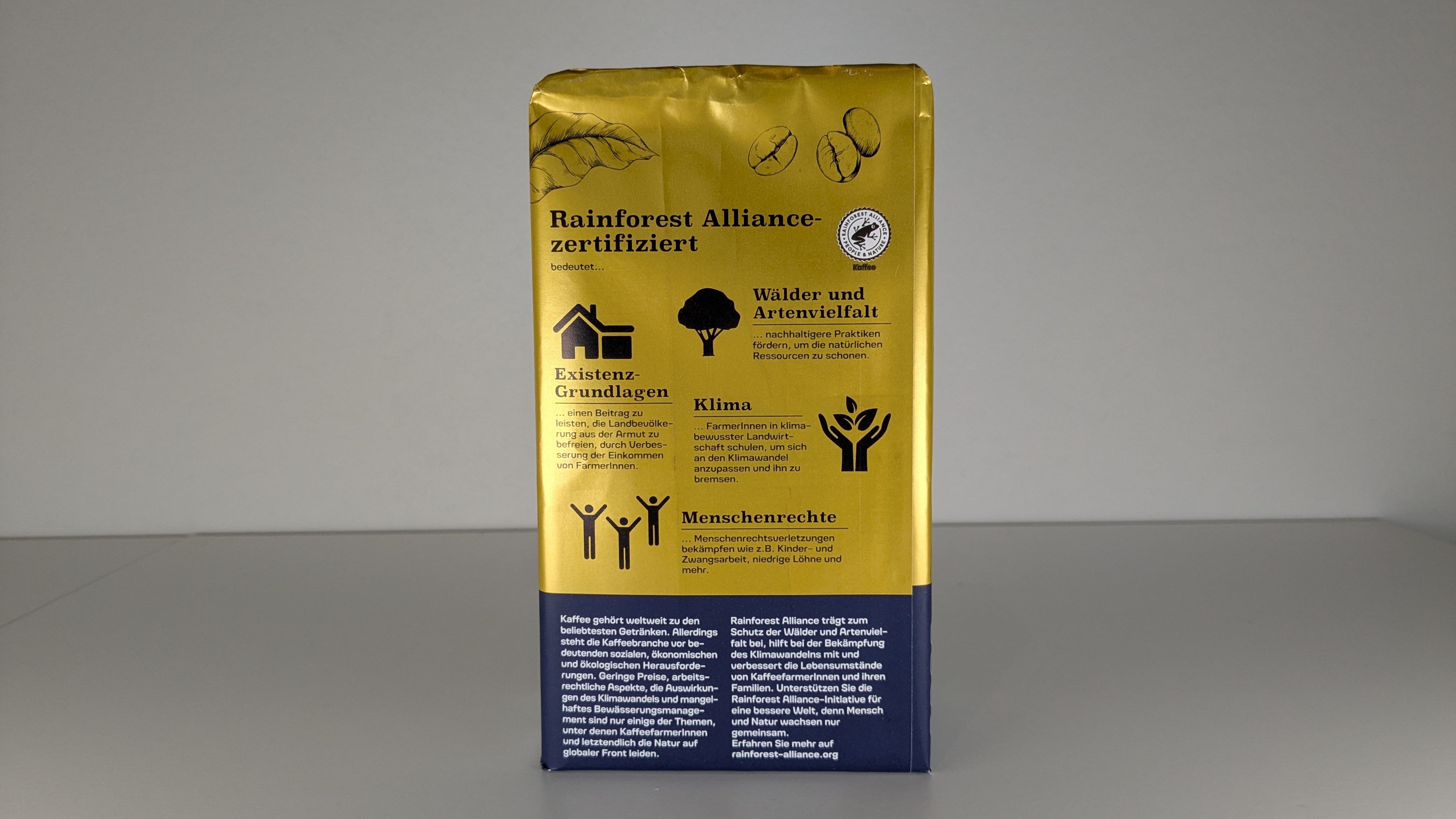
Edeka Herzstücke Selection 500 Gramm von vorne.
Edeka Herzstücke Selection 500 Gramm.
Bildquelle: CHIP / Rian Voß
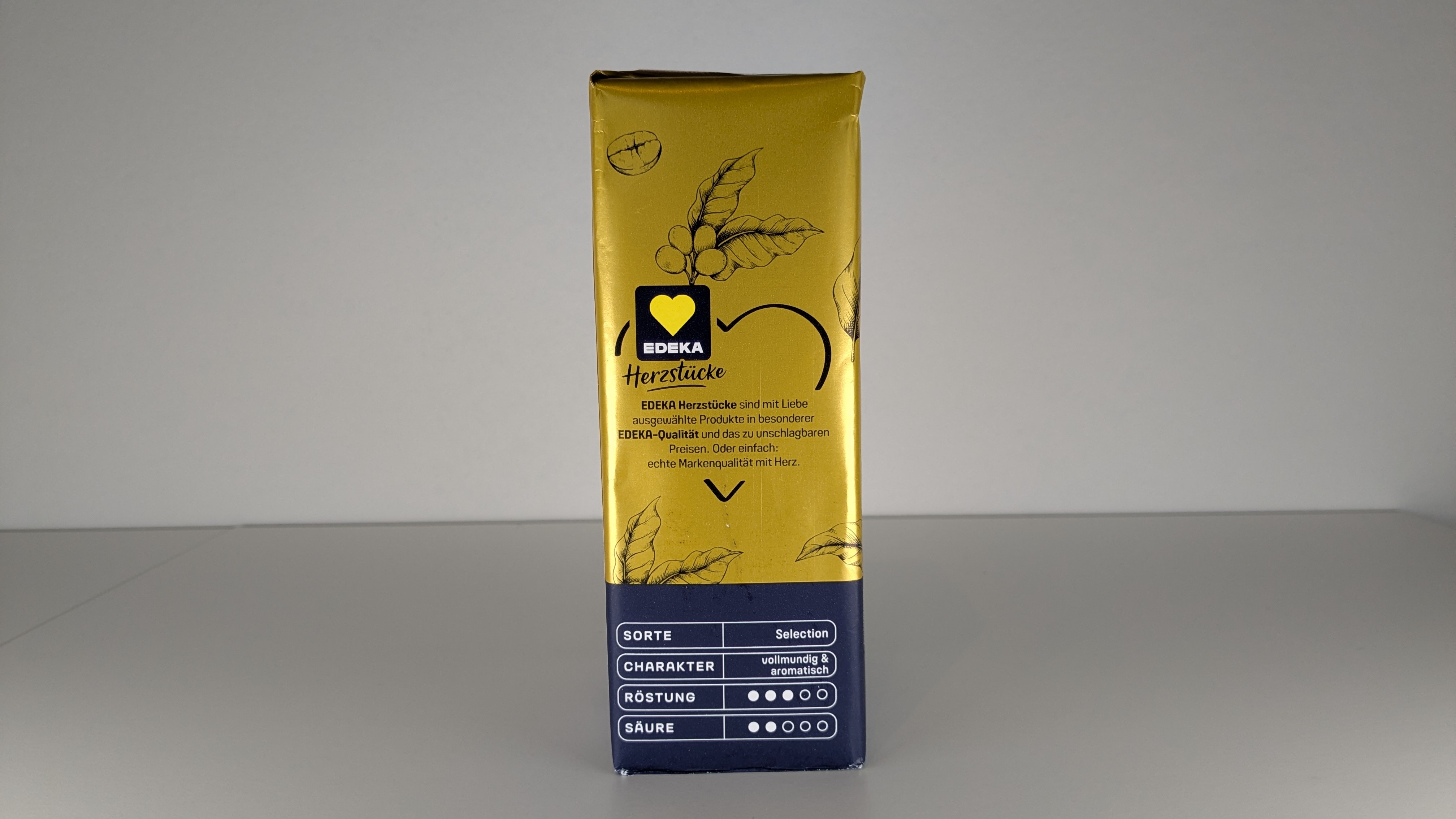
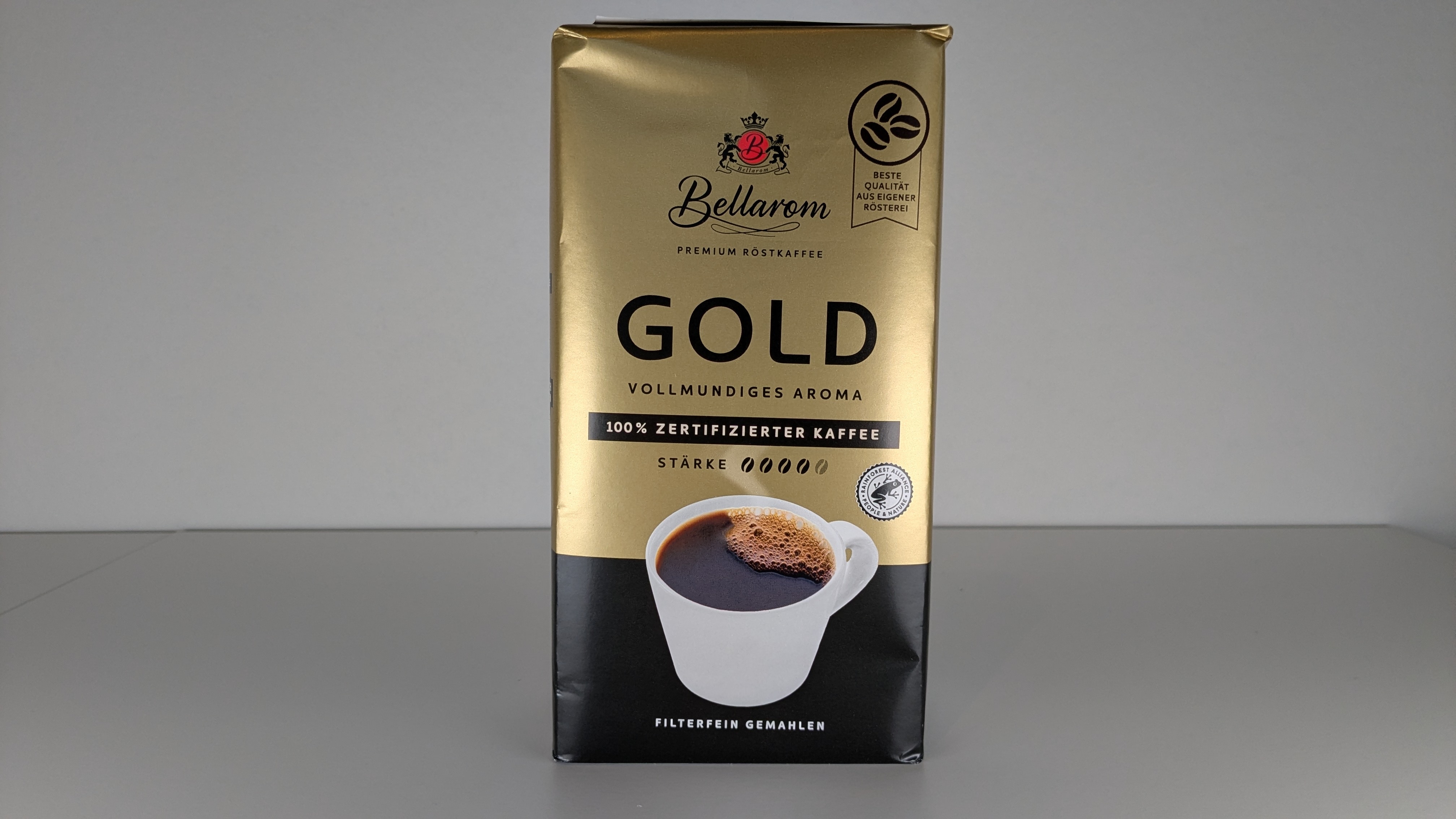
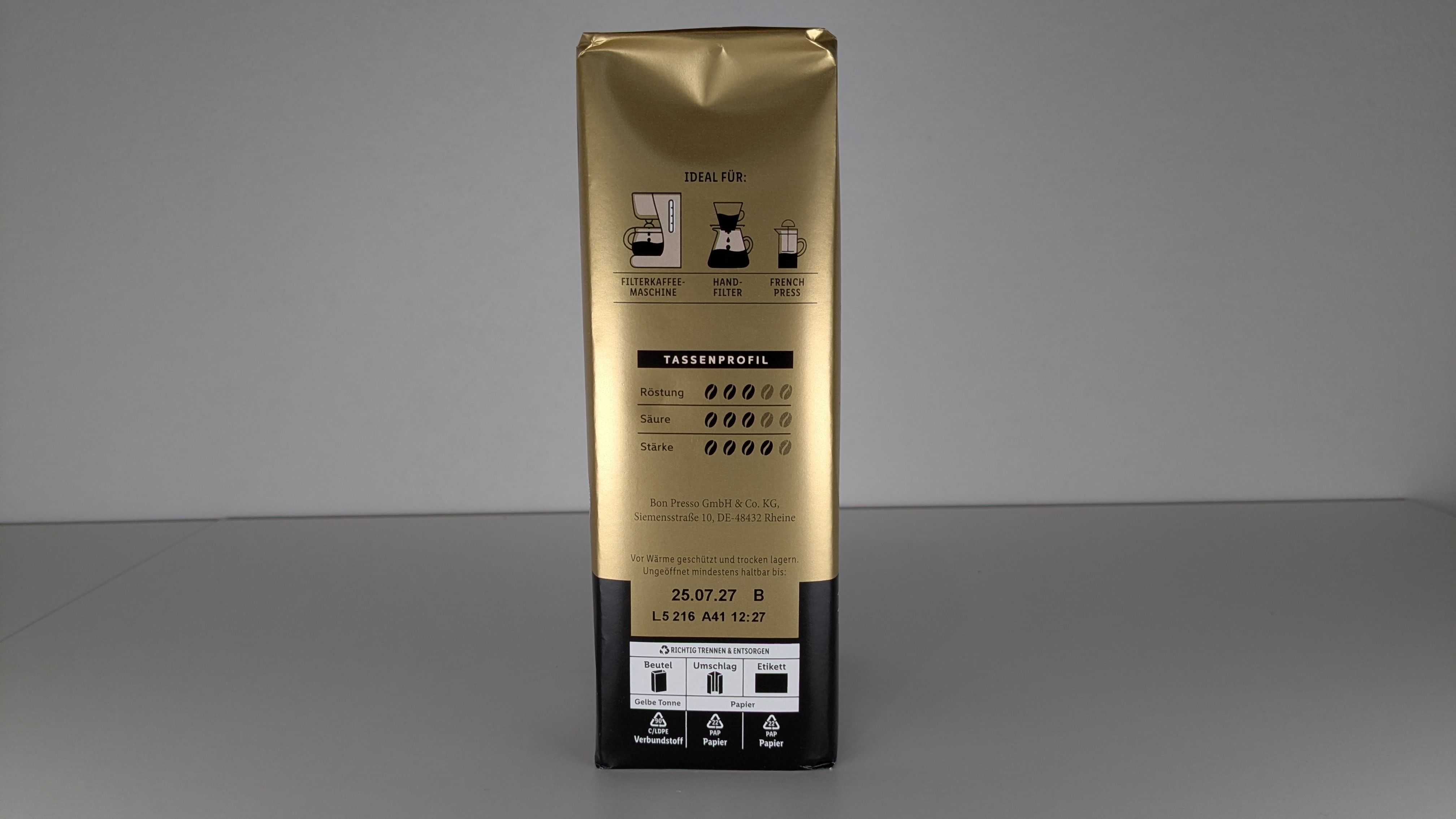
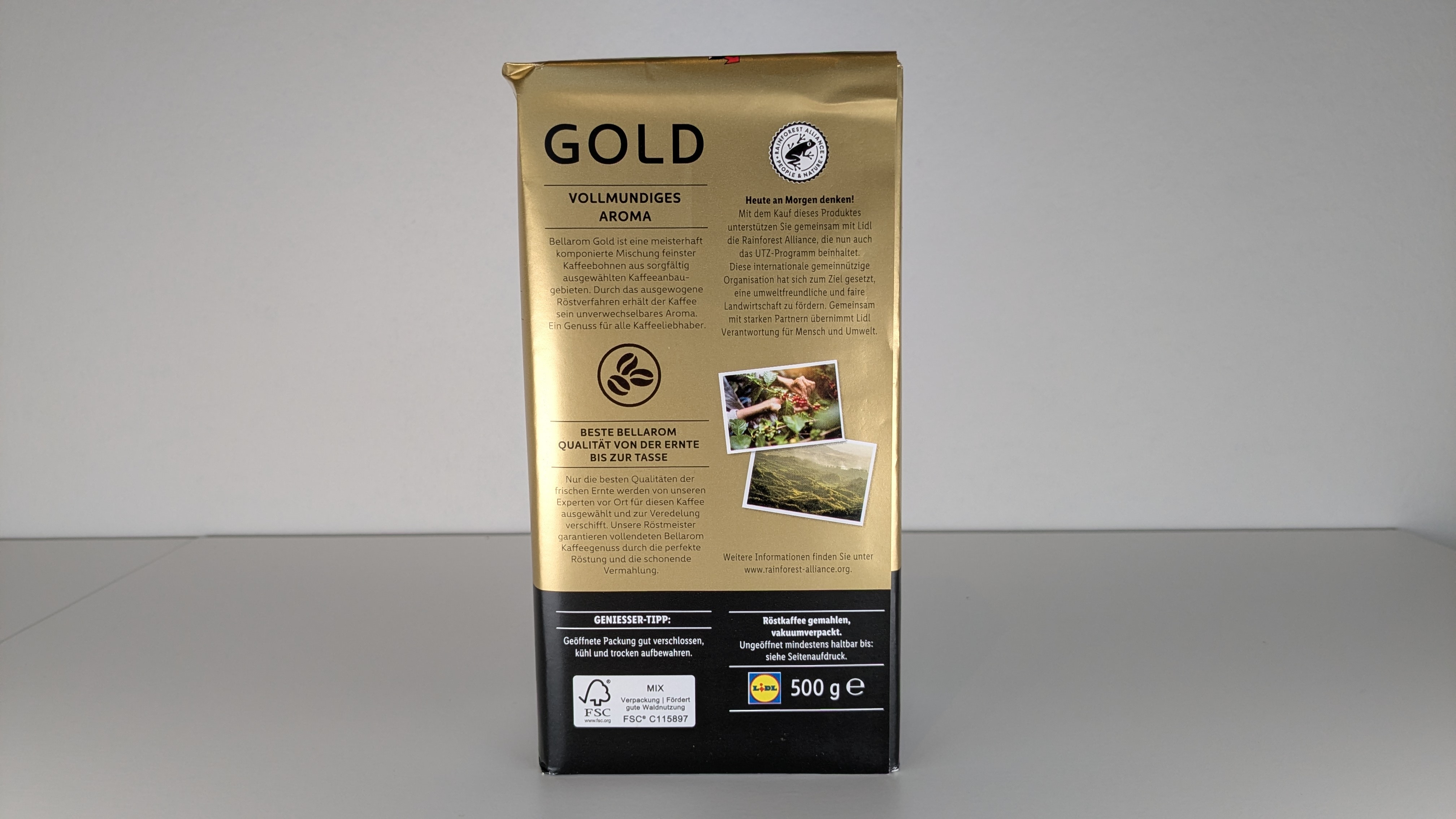
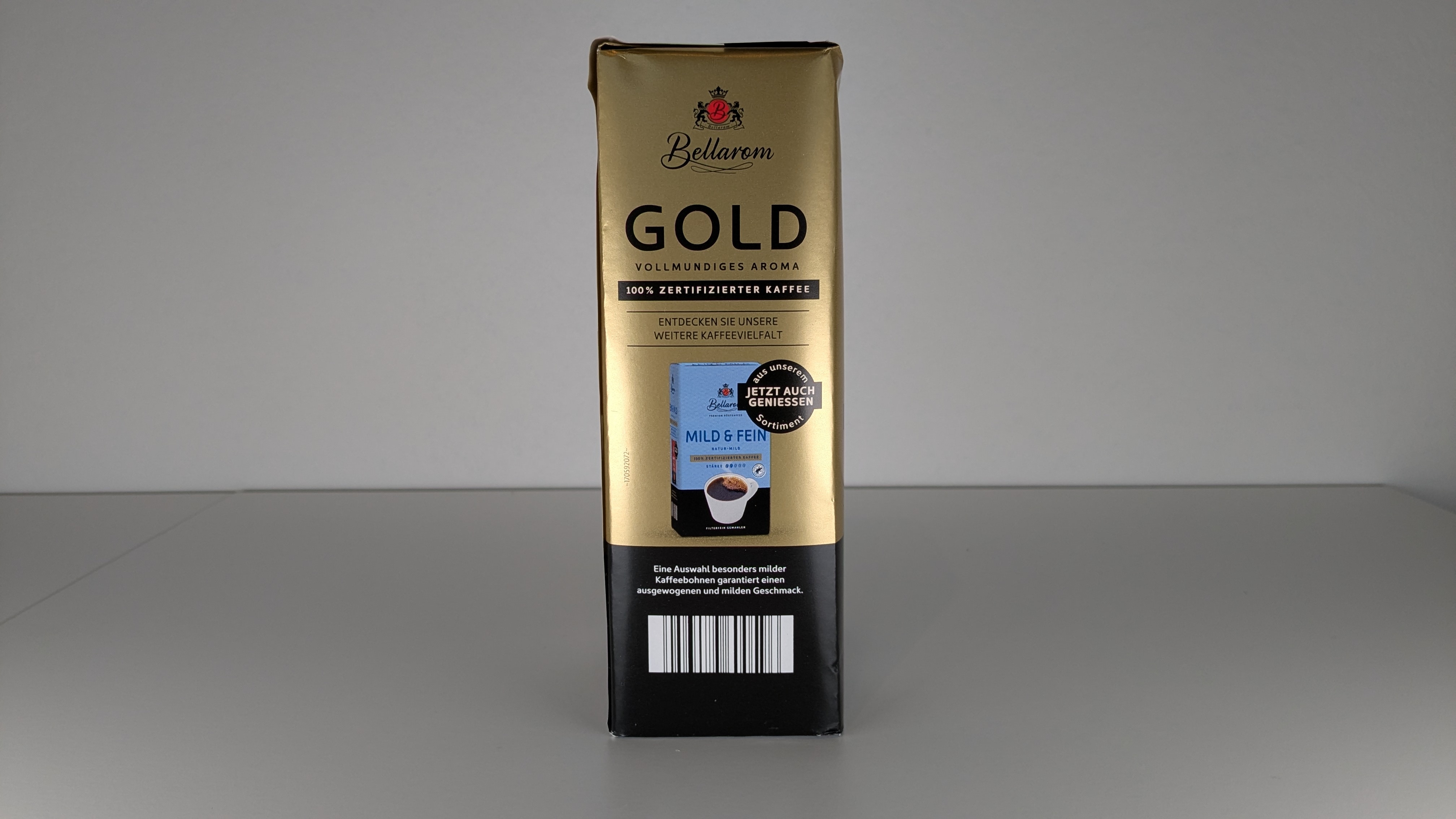
Bellarom Gold (Lidl) 500 Gramm von vorne.
Bellarom Gold (Lidl) 500 Gramm.
Bildquelle: CHIP / Rian Voß
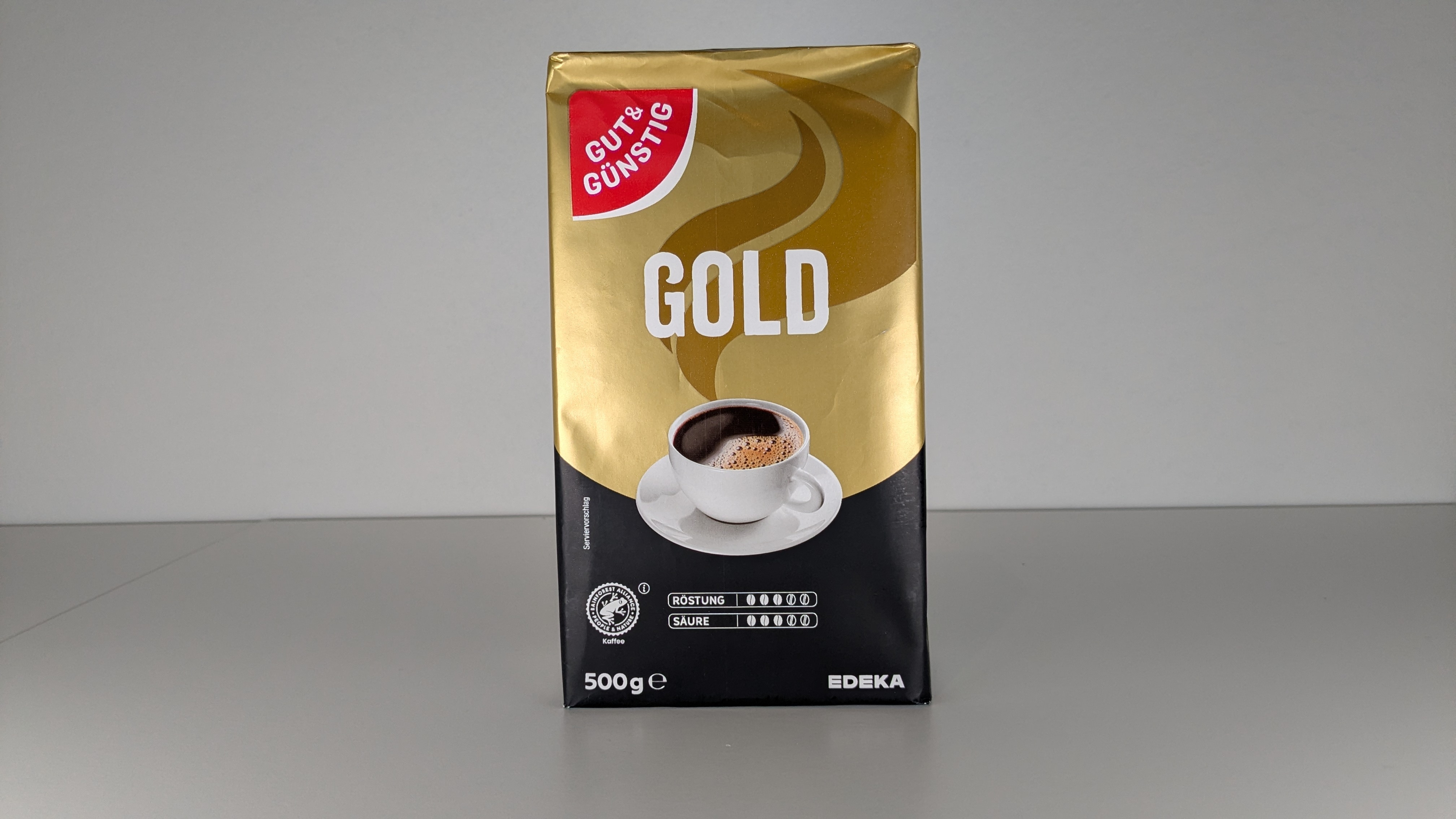
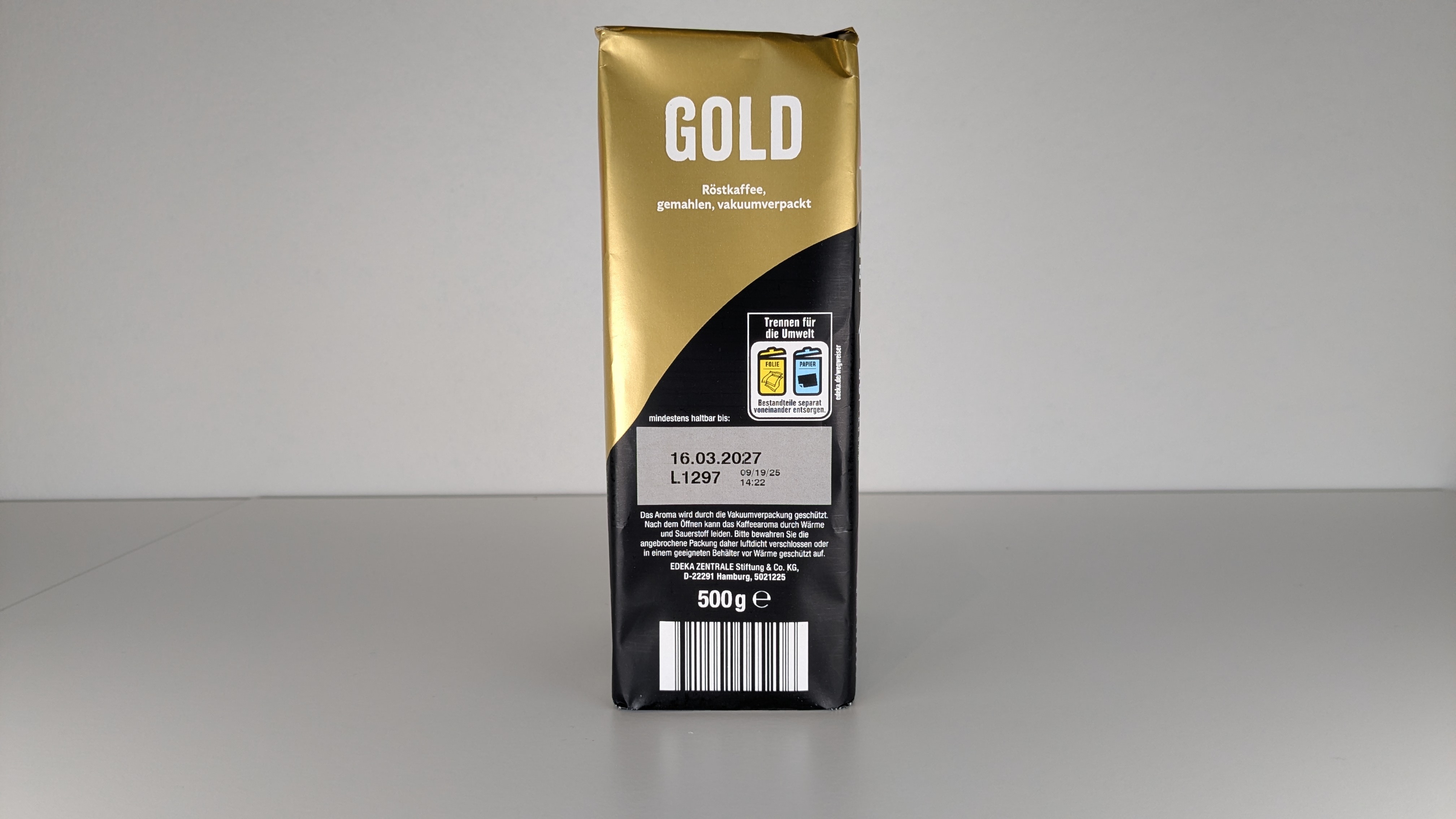
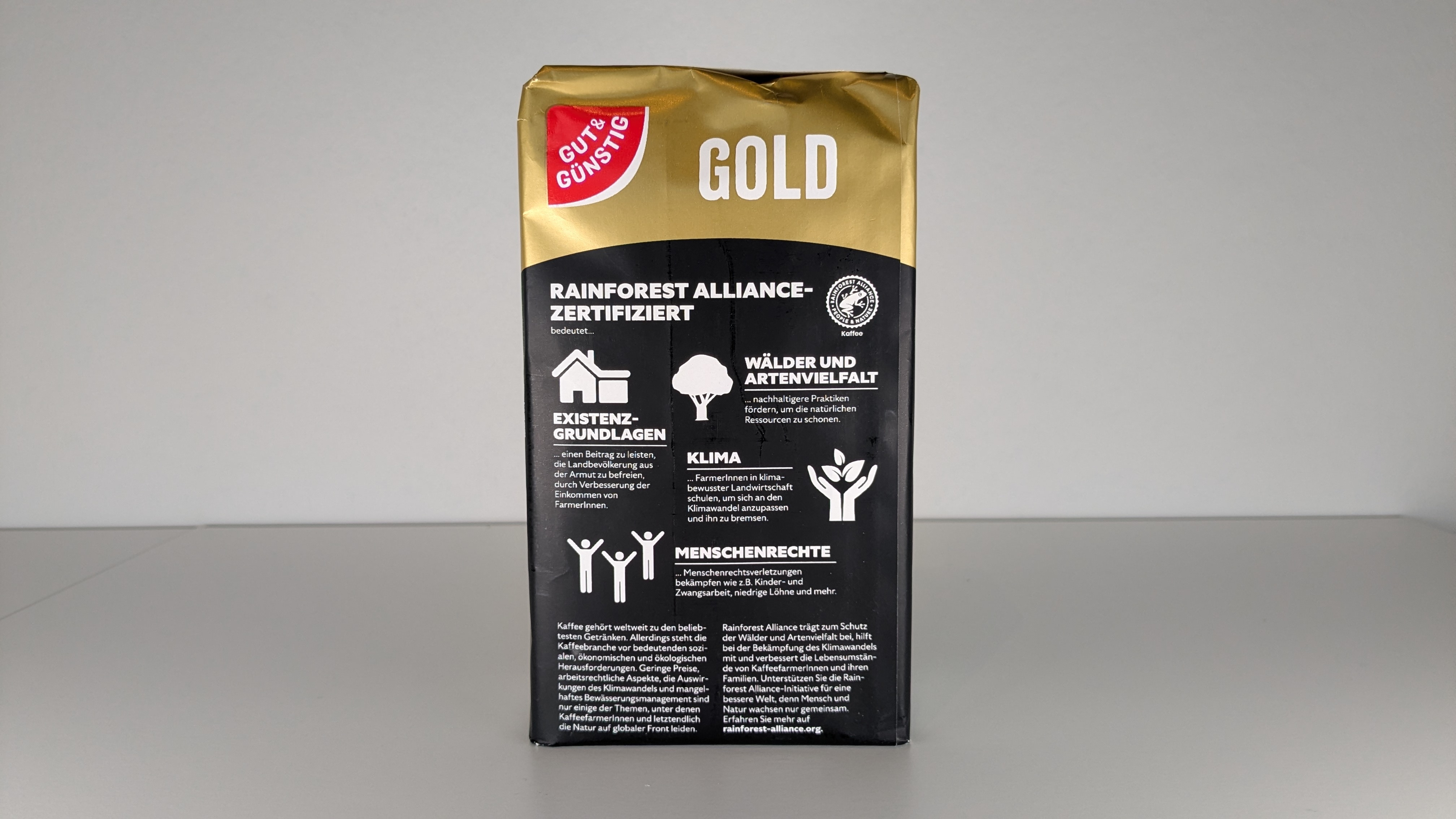
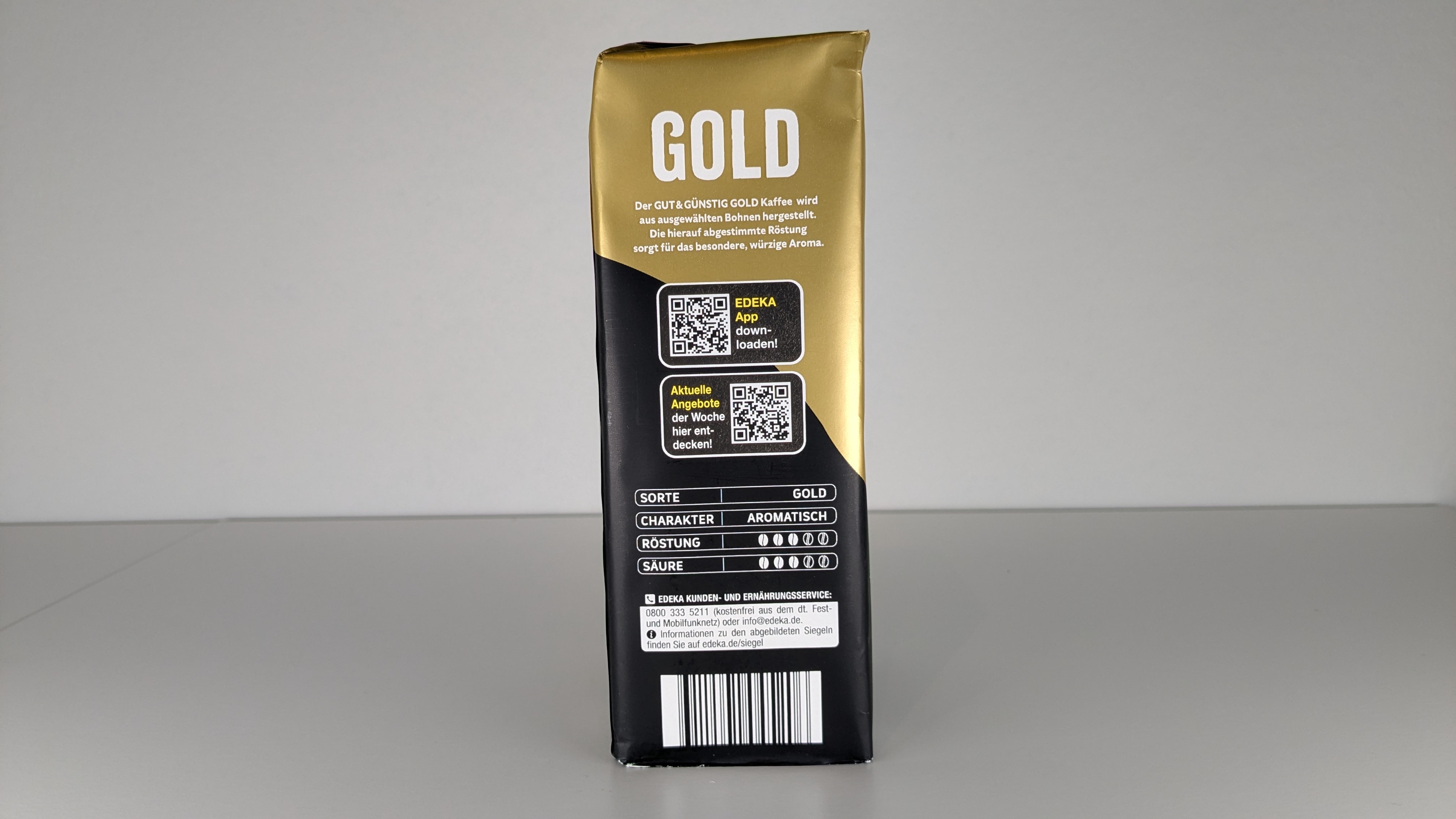
Gut & Günstig Gold (Edeka) 500 Gramm von vorne.
Gut & Günstig Gold (Edeka) 500 Gramm.
Bildquelle: CHIP / Rian Voß
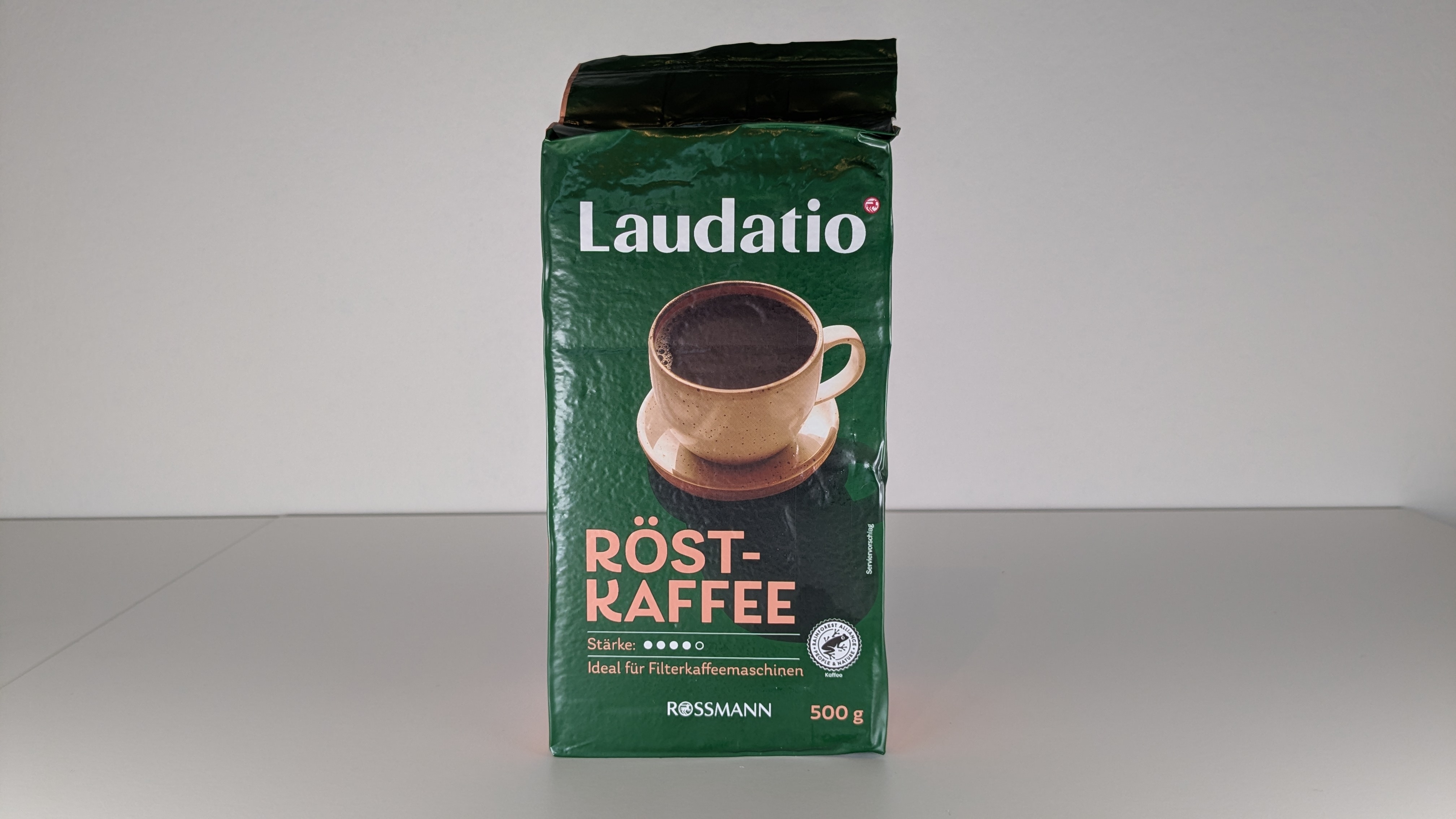
Laudatio Röstkaffee (Rossmann) 500 Gramm von vorne.
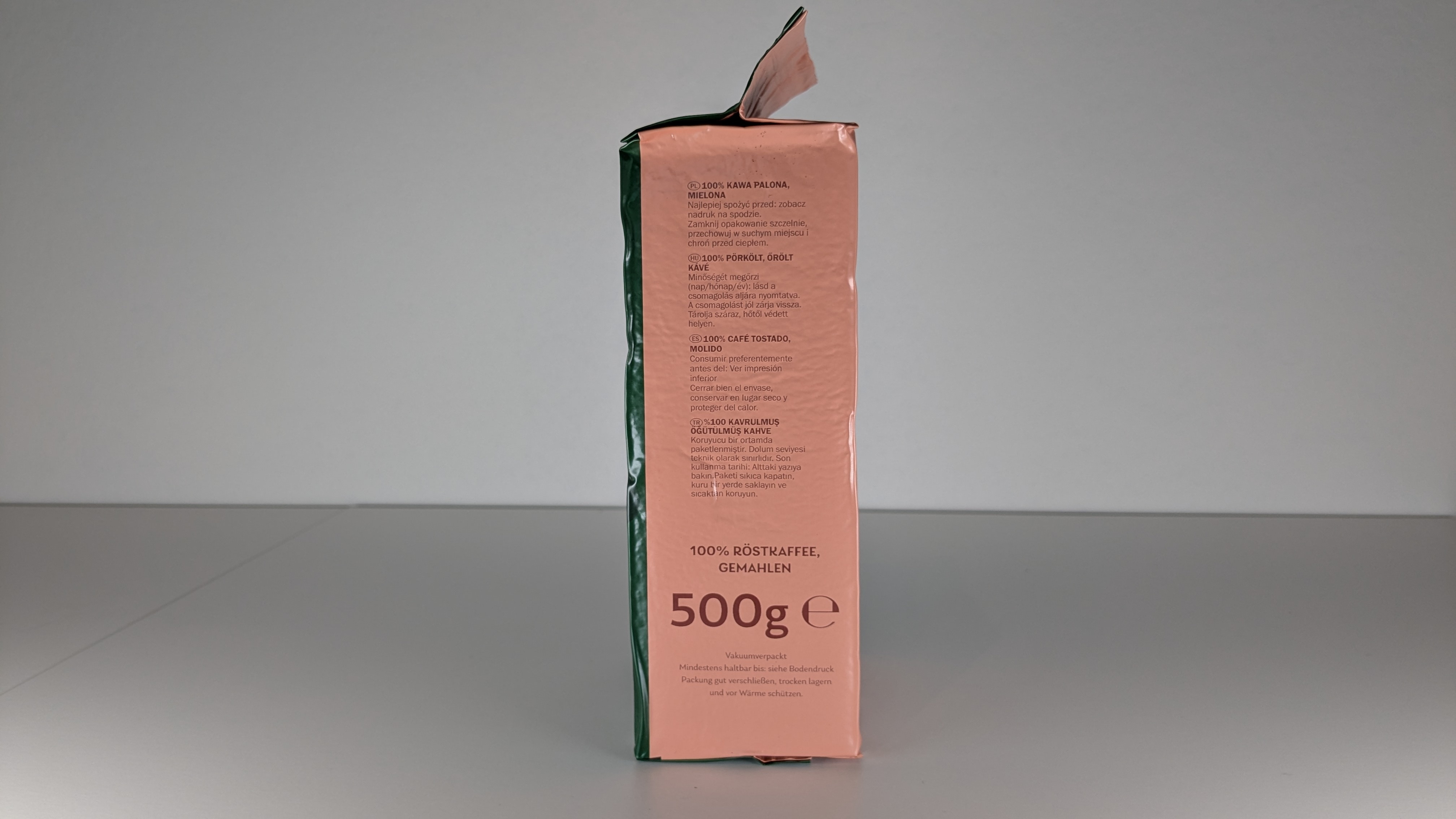
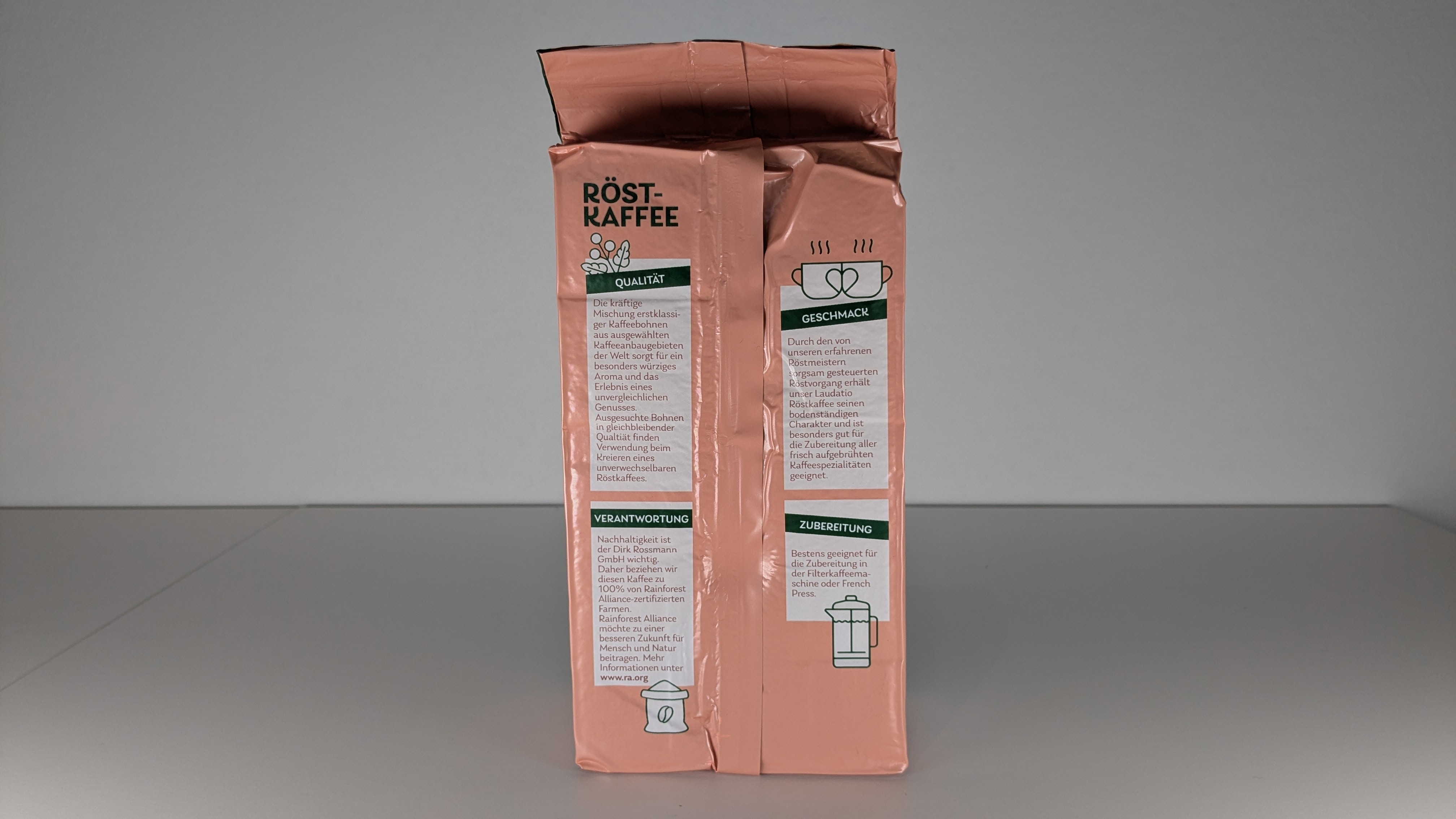
Laudatio Röstkaffee (Rossmann) 500 Gramm.
Bildquelle: CHIP / Rian Voß

Zusammenfassung der Ergebnisse
Ziemlich eindeutiger Sieger ist der Barissimo Gold von Aldi Nord. Dieser gewinnt im Median, im Durchschnitt und die Abweichung vom Mittelwert war auch noch sehr gering, hier waren sich also die Testpersonen sehr einig über den Wert. Man muss allerdings sagen: Alle geprüften Kaffeesorten schließen mit Punktzahlen zwischen 4 und 7 ab. Die Werte von 4 bis 6 waren für die Testpersonen als “okay” definiert, und nur vier Kaffees haben es gerade so zur 7 bzw. 6,5 geschafft: Barissimo Gold von Aldi Nord, Cafèt Gold von Netto, Dallmayr Prodomo und der DM Bio Kaffee Klassik. Letztendlich gehen alle Sorten als trinkbar durch, auch wenn es natürlich hier und da Fans und Hater gibt. Auf welcher Seite der Medaille Sie selbst landen würden, kann Ihnen letztendlich nur Ihre Zunge sagen.
Testpersonen, die ihren Kaffee mit Milch trinken, haben für den schwarzen Kaffee wenig überraschend fast immer schlechtere Punktzahlen vergeben. Es gibt Ausnahmen, aber diese sind nur wenig nennenswert, da die Punktzahlen trotzdem eher gering ausfielen. Beispielsweise fanden Milchtrinkende den Melitta Auslese einen halben Punkt besser als der Rest, ebenso den Gut & Günstig Gold von Edeka.
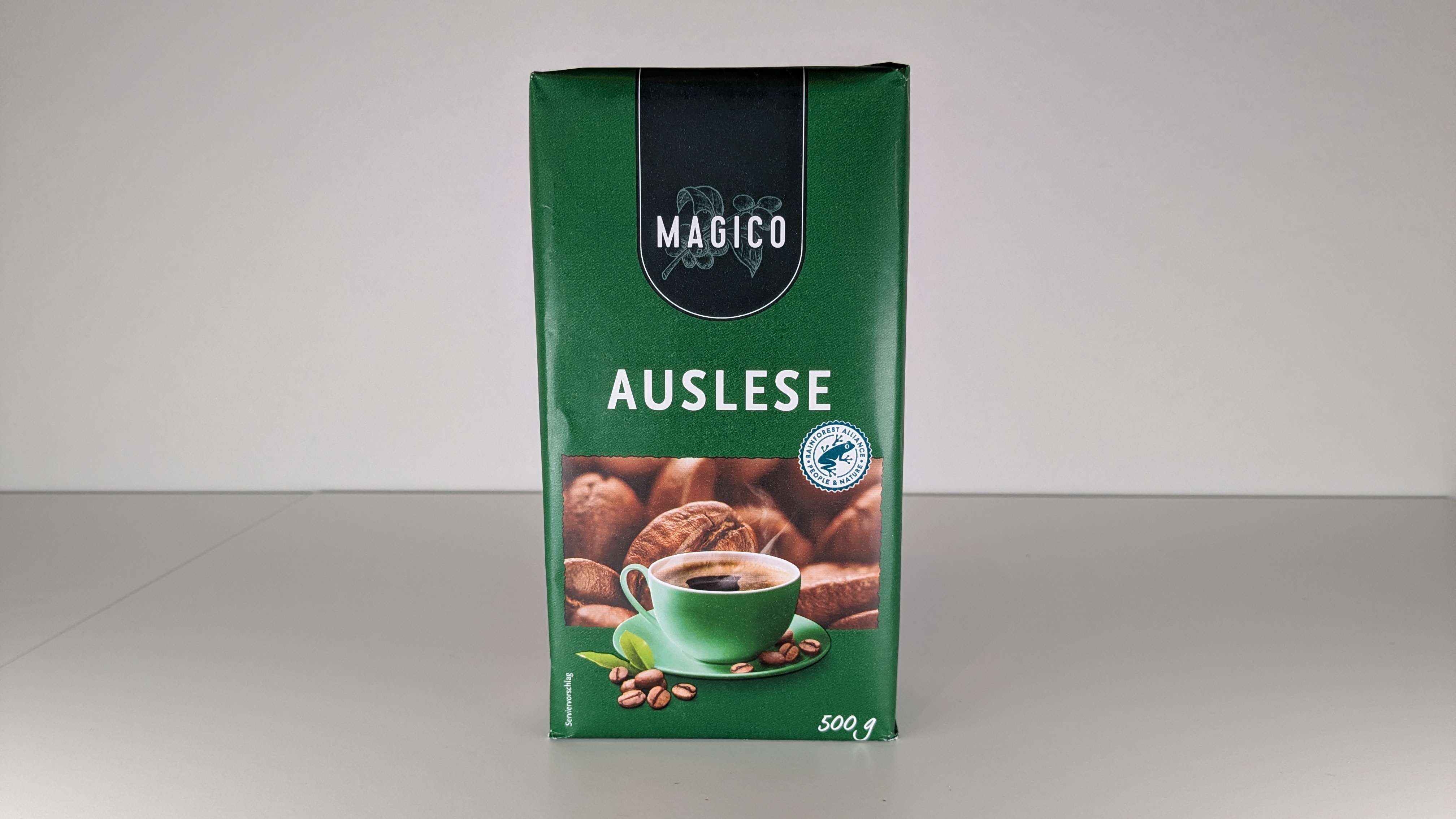
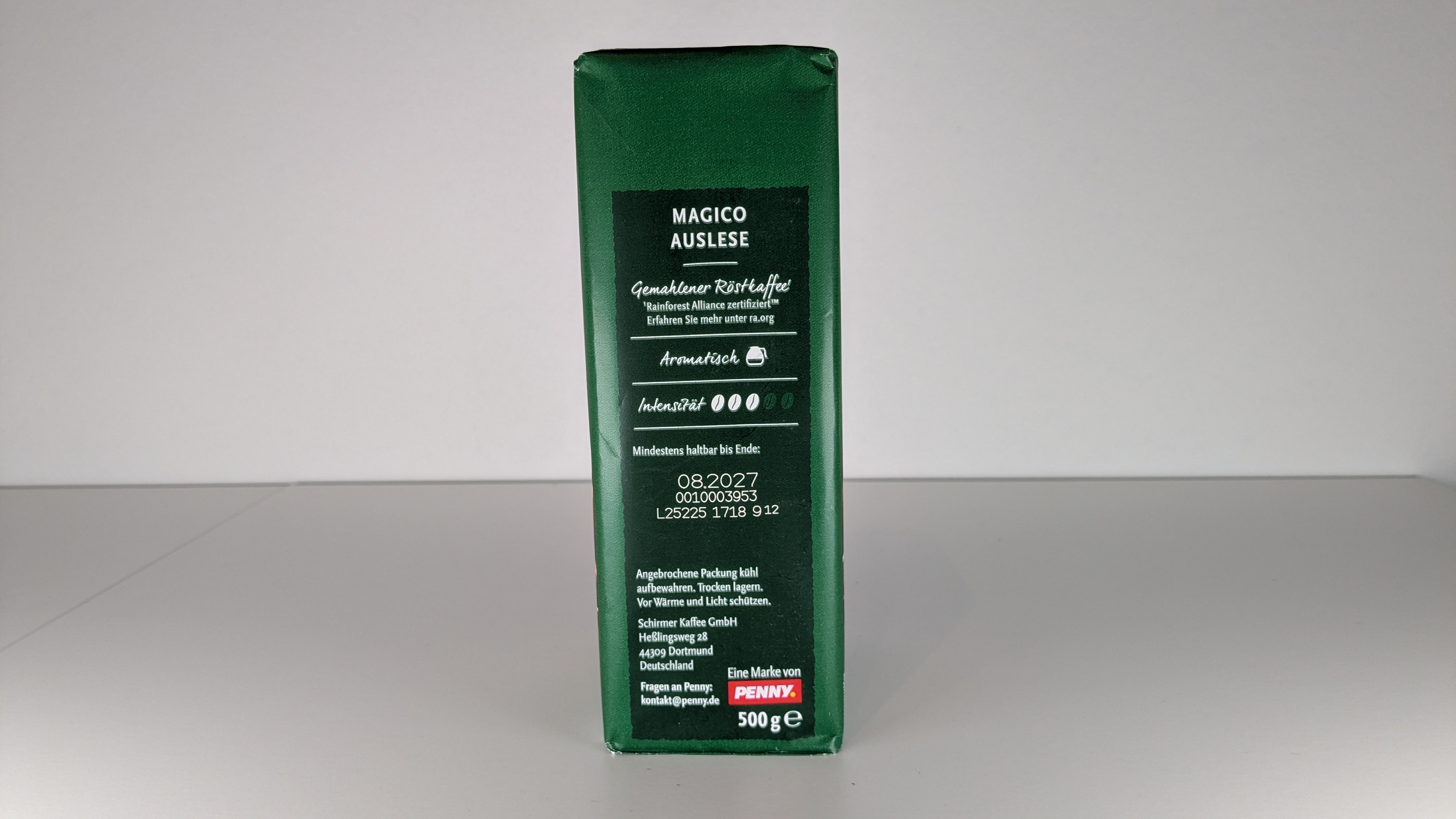
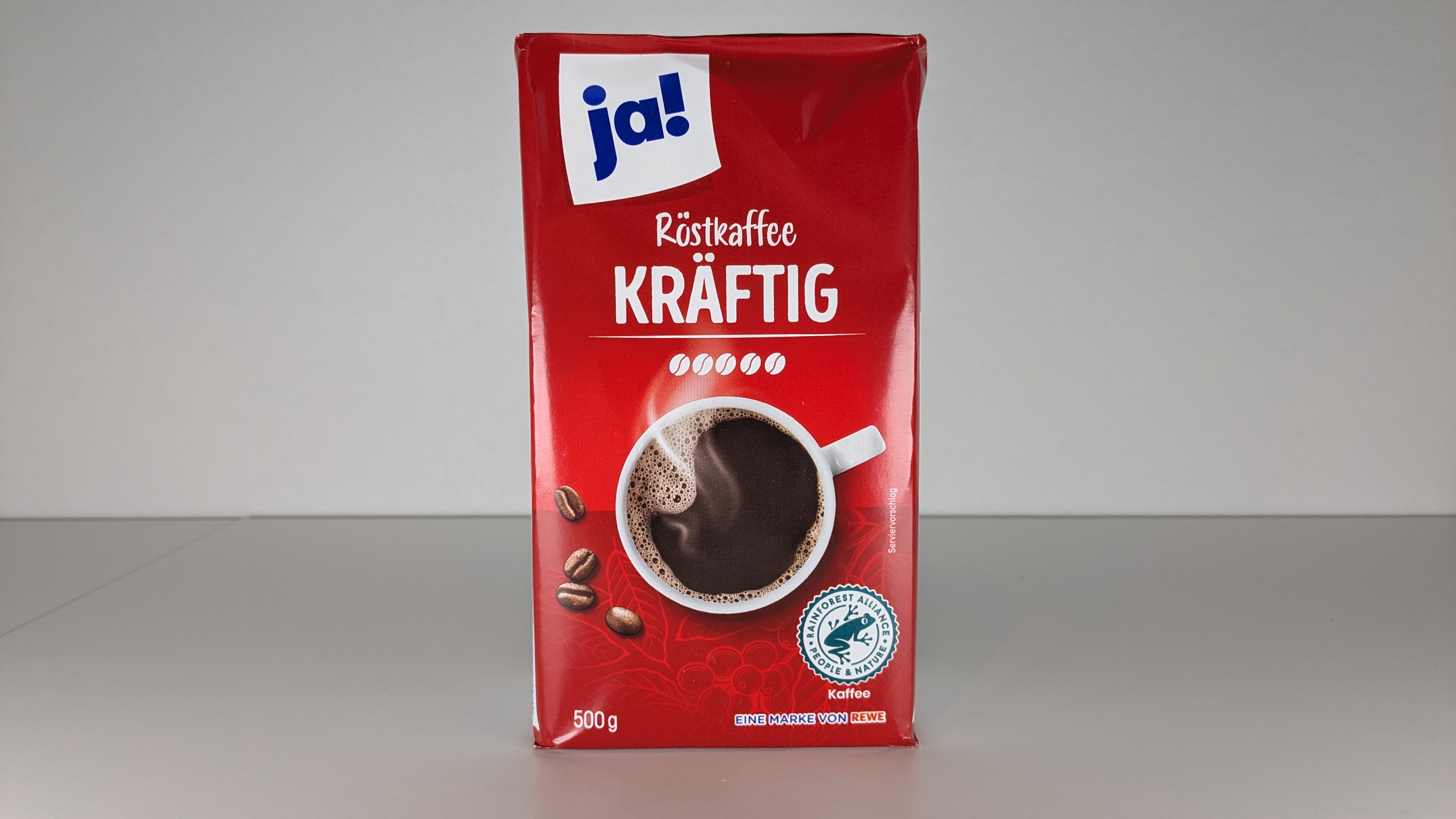
Unschön: In der Packung des Melitta Auslese Klassisch haben wir einen, in Edeka Herzstücke Selection sogar mehrere Holzspäne gefunden. Weiterhin empfanden wir die Verpackungen vom Ja! Röstkaffee Kräftig und dem Magico Auslese von Penny als besonders lästig, da sich hier der Aufkleber nur mit Mühe und in Einzelteilen entfernen ließ. Bei allen anderen Packungen ließ er sich leicht abziehen.
Pre-ground coffee or coffee beans?
Pre-ground coffee has several advantages, all of which boil down to one thing: convenience. You don’t have to grind the coffee yourself, saving time, hassle, and money, since you don’t need to buy a grinder. You also don’t have to worry about the right grind size, as the manufacturer doesn’t give you a choice. Ground coffee is usually vacuum-packed and therefore has a very long shelf life – often one to two years. You can also freeze the coffee to store it even longer. And last but not least, pre-ground coffee takes up less space than a bag of beans of the same weight.
However, pre-ground coffee always loses flavor. Ideally, coffee should be brewed immediately after grinding, because the aromatic compounds released during grinding dissipate quickly upon contact with air. After a few days in powder form, even the finest coffee will taste mediocre at best. So, as soon as you open that 500-gram bag of ground coffee, the clock starts ticking. You should then repackage the coffee in an airtight container, perhaps even freeze some of it to preserve at least a little of the aroma. A 500-gram bag will last about a month if you drink one large cup a day (250 ml). After the second week at the latest, the ground coffee will only be suitable for a basic caffeine fix.
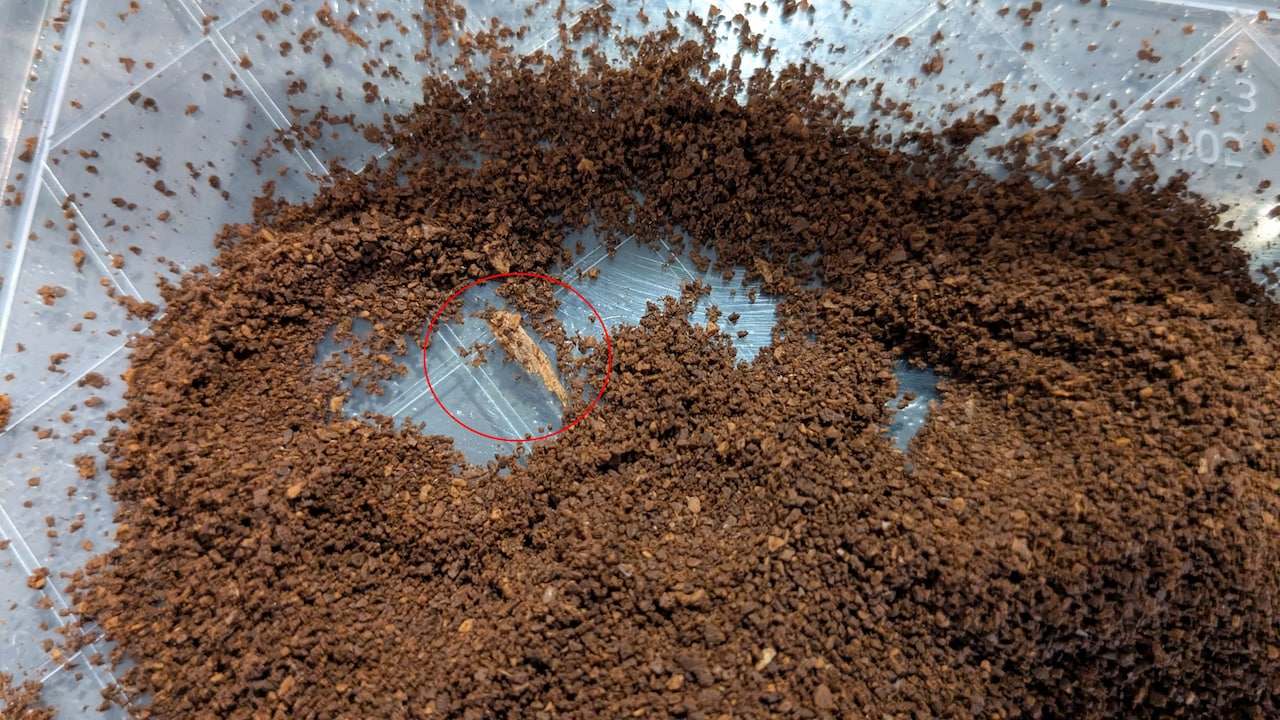
Furthermore, pre-ground coffee makes it easy for manufacturers to conceal any production defects. In a bag of whole beans, you can quickly spot burnt beans, an excessive number of “ears” (hollow beans), size variations, sweaty beans, and more. If the contents of the bag don’t look appetizing, they usually aren’t. However, if you buy pre-ground coffee, you no longer have a chance to play coffee detective – all the evidence has been destroyed. Foreign objects are also less noticeable. We found flattened pieces of wood in some coffee packages – thanks to filter brewing, this isn’t dangerous, and even in a €60-per-kilogram bag of beans, a twig might slip through the sifting process. But if we can easily find half a Billy bookcase in the bag, we don’t even want to know how much sawdust goes undetected during pre-grinding.
Supermarket Coffee Polarizes Opinions
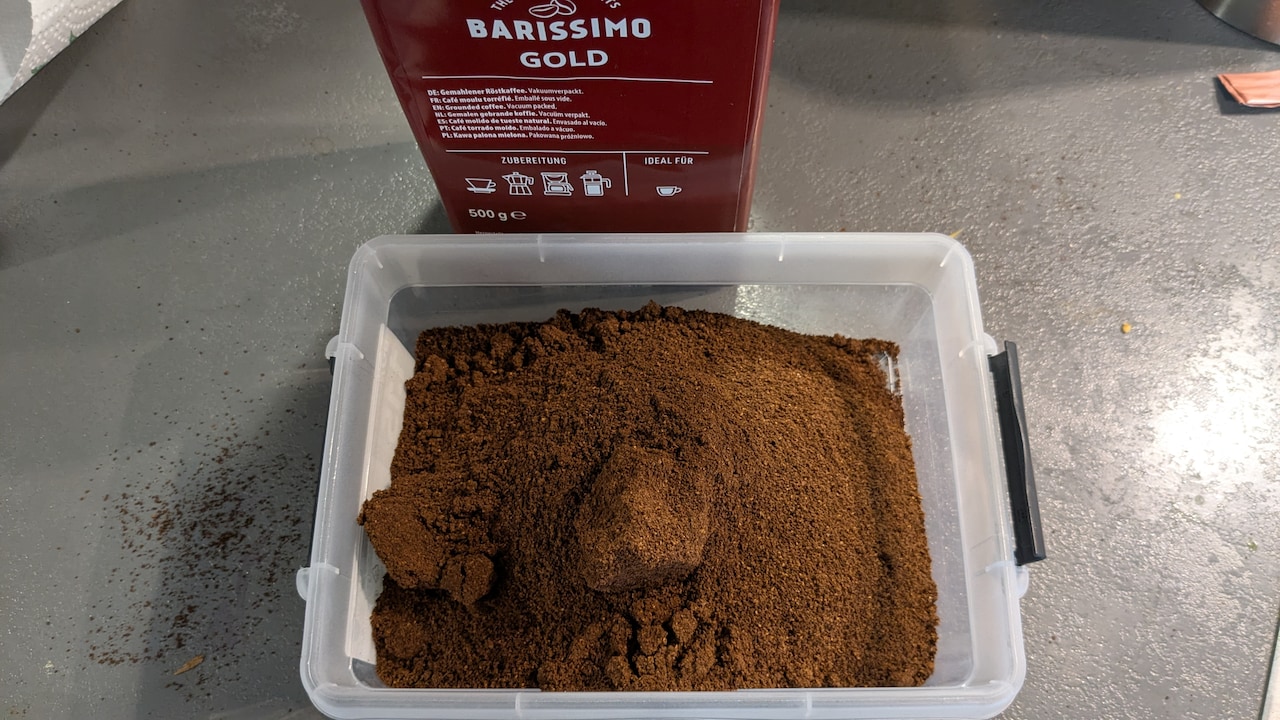
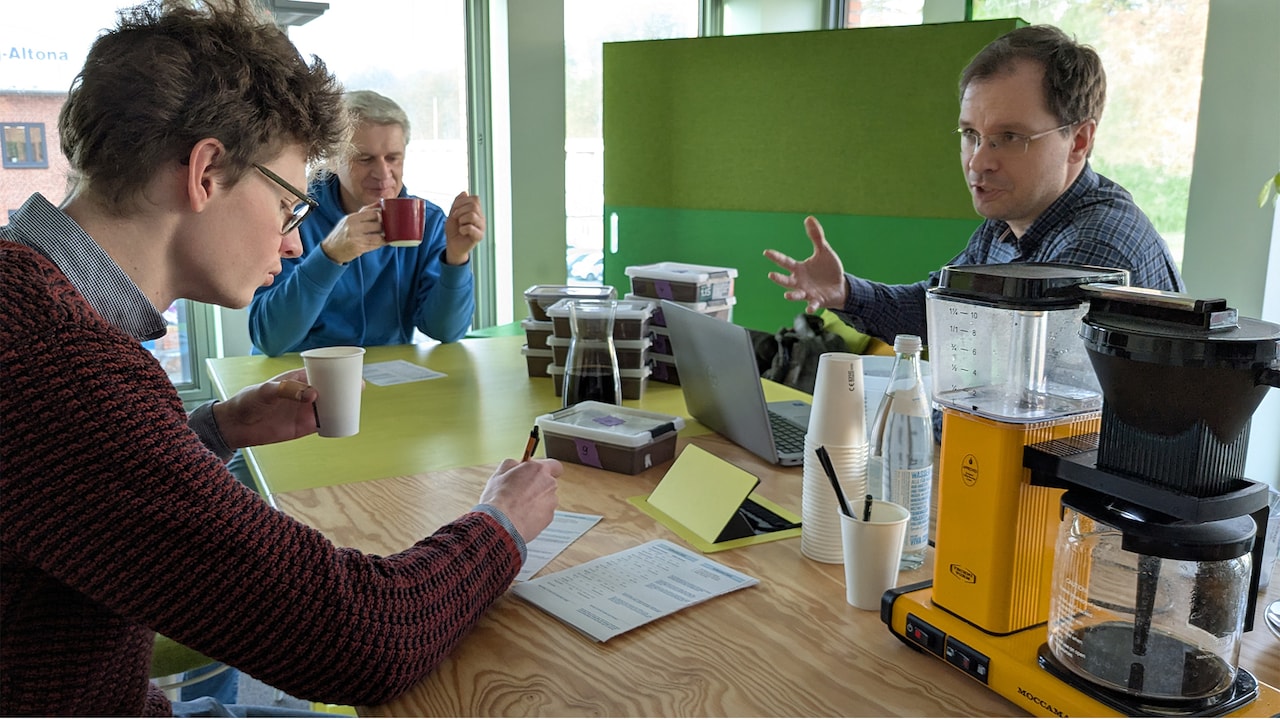
The average score in a taste test can, of course, obscure important information. If five people give a coffee 10 out of 10 points, and five people give it only 1 – does the coffee really deserve a 5? Therefore, we consider not only the median (explained above) and the mean, but also the deviation from the mean. The greatest agreement among the test subjects was for Netto’s Cafét Gold. It achieved a solid 6.25 out of 10 points, with a deviation of less than one point. Aldi Nord’s Barissimo Gold also has nothing to fear regarding its comparatively very good 6.75 points, as the deviation here is only 1 point. The testers were similarly unanimous about DM Bio Kaffee Klassik and Edeka Herzstücke Selection. However, two coffees were particularly polarizing: While some awarded Edeka Gut & Günstig a high 8 out of 10 points, others found it undrinkable with only 2 points. The deviation here was a high 2 points – almost as high as with Lidl’s Bellarom Gold. With a deviation of 2.13 points and scores that fell almost exclusively in the “Very Good” or “Very Bad” categories, we can say with absolute certainty about this coffee: You will either love it or hate it.
Supermarket Coffee Is Emotional
Most of the total scores for the coffees tasted were in the 4 to 7 range. Higher scores were rare, but when they were awarded, there was always a common thread: memories and associations. Particularly high scores were often accompanied by comments like, “This reminds me of my grandma’s coffee,” or “This reminds me of my old pipe tobacco.” Even a coffee that, according to the person, tasted more like a “cigarette” received a higher rating because they had just quit smoking. Smell and taste, combined with memories, always have a powerful influence on our perception. Such a subjective assessment is therefore perfectly understandable.
The same applies to this class of coffee: Don’t let anyone dictate your preferences. If it tastes good, it tastes good!
Supermarket coffee’s aroma is telling
If the coffee tasted better (average: 6 out of 10 or better), then the ground coffee also smelled better than neutral (over 3 out of 5). There is one exception (coffee 10) that had a slightly above-average aroma but then ended up at the bottom of the average taste ranking. The same applies to the brewed coffee: Only in one case did the aroma positively mask the average taste.
Supermarket coffee isn’t as acidic as you think
No coffee received an average acidity rating of 4 out of 5, and only two scored a slightly acidic 3.5. The fact that supermarket and discount store coffee is often perceived as acidic could therefore be due to individual, home brewing methods. For example, the water might flow through the grounds too quickly, so that only the readily soluble, acidic components dissolve, while the bitter compounds, which balance the flavor, don’t have a chance to make their way into the water. A grind that’s too coarse also potentially plays a role: coarsely ground coffee offers less resistance to the water and can lead to an overly acidic taste. Particularly hard water can also distort the flavor. We used soft mineral water for our tests to minimize the impact of potentially poor-quality tap water on the taste.
Supermarket coffee is more bitter than sour
Bitterness is more pronounced than acidity, often being rated higher than the acidity. However, even here, the results are not excessive on average: No product achieved an average of 4 out of 5 points for bitterness.
Supermarket coffee is not sweet
All testers struggled to detect any natural sweetness in the coffees tested. Other flavor aspects were more prominent. Sweetness averaged just 2 out of 5 points, and even with this low rating, many were unsure.
Supermarket coffee has a distinct aftertaste
The aftertaste is the lasting impression of the coffee. Does it linger in the mouth and on the tongue after swallowing? A good aftertaste can positively influence the taste experience even afterward and enhance the coffee’s presence. A distinct aftertaste was also perceived in supermarket and discount store coffees – unfortunately, this wasn’t desirable in every case.
How much should you spend on supermarket coffee?
The question of price isn’t entirely straightforward when it comes to supermarket and discount store coffee. Our test winner, Barissimo Gold from Aldi Nord, costs only €6.49 for 500 grams, which is a bargain. Close behind, however, are Cafet Gold from Netto for €6.49, DM organic coffee for €7.95, and Dallmayr for €10.49. The cheapest variety cost €5.49 and was only moderately popular. But even higher prices aren’t a guarantee of good ratings, as both Edeka Herzstücke Selection for €7.99 and Melitta Auslese Klassisch for €9.29 finished in the middle of the pack. At least: No higher-priced coffee has to settle for a low ranking, so you do get a certain degree of reassurance with higher purchase prices.
However, higher prices don’t guarantee good results. Higher-quality coffee, which roughly starts at €15 per 500 grams, wasn’t part of the test, but based on experience, we’d say you can taste the difference.
More articles on the topic of coffee
About the Author