At the jungle camp, the celebrities are put on a diet: there is only rice and beans. We reveal what a rice diet can do – and what disadvantages it has.
Participating in the jungle camp 2026 is anything but fun. The celebrities not only face extreme and sometimes disgusting tests, but also have to make do with extremely meager food. Aside from worms and insects, there is one thing above all else on the menu at camp: rice and beans. The weeks in the Australian jungle are like a one-sided rice diet. But what effects does it actually have on the body if you eat almost exclusively rice every day for two weeks?
Jungle camp 2026: Two weeks of rice diet – this is what happens in the body
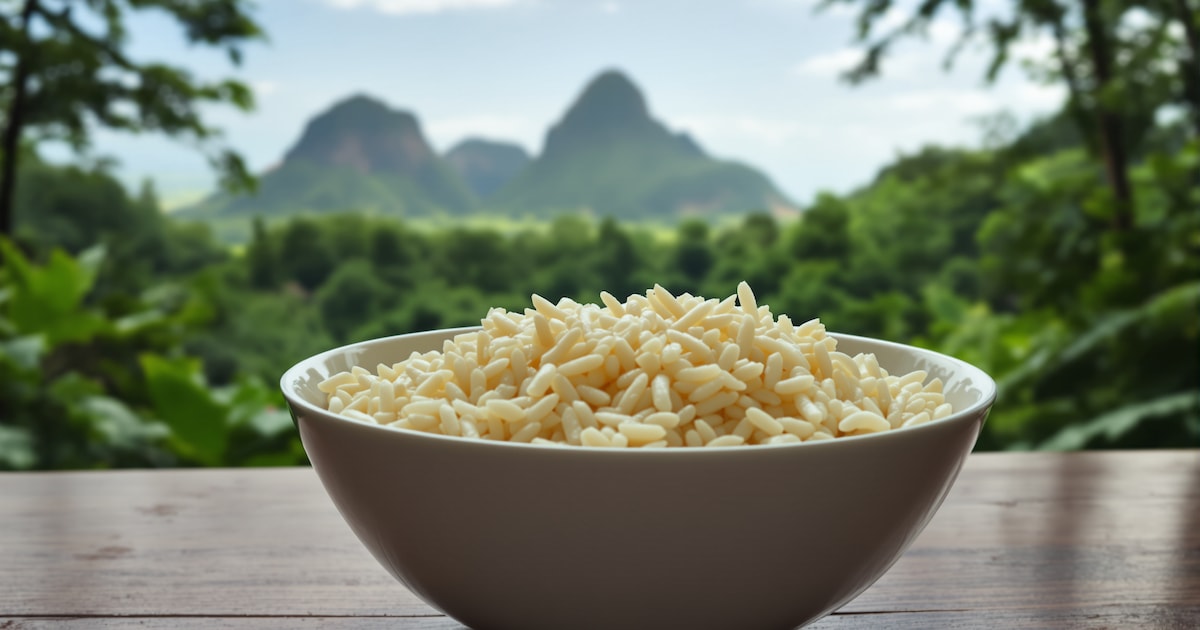
The contractually agreed menu in the jungle camp looks loud Stern. Just 70 grams of rice and 70 grams of beans every day. This extremely meager ration is reminiscent of the principle of the so-called rice diet, which is classically divided into three phases. In this diet, rice forms the basis of every meal. Per serving will be loud Utopia. About 60 grams of rice is recommended.
In the first week, the menu is supplemented with applesauce, salad and apple pieces. From the second phase onwards, additional fruit and vegetables can be consumed, while lean meat and fish are also added in the third week. Salt, sugar and high-fat foods are avoided throughout the diet. A high fluid intake in the form of water and unsweetened herbal teas is also recommended.
Rice provides numerous important nutrients, including magnesium and potassium, which play a central role in muscles and the stability of bones and teeth. The iron it contains supports the immune system and promotes oxygen transport in the blood. Zinc also helps strengthen the immune system and promotes wound healing. Due to the high water-binding capacity of the grain, excess fluid can be flushed out of the body on a rice diet. This effect is particularly enhanced by the potassium content of whole grain rice, which often results in noticeable weight loss after a short time.
Eating rice for two weeks: Negative consequences of the jungle camp diet
However, the rice diet is not without risks. Due to the very unbalanced diet, only limited nutrients and vitamins are absorbed, which can promote deficiency symptoms. A low protein intake in particular can have a negative impact on protein-dependent metabolic processes in the body.
Sports scientist and nutrition expert Dr. Dr. Michael Despeghel explains to the Editorial Network Germany (RND)that a hypocaloric diet – as practiced in the jungle camp – leads to weight loss, but at the same time significantly reduces physical performance. Rice and beans are generally not a bad combination as they provide high-quality carbohydrates and contain a certain amount of protein. Nevertheless, the expert warns against an insufficient supply of nutrients.
“Omega-3 fatty acids, which play an important role in the cardiovascular and immune systems, are missing. Micronutrients such as vitamins, trace elements and minerals are also not present in sufficient quantities,” says Despeghel. As a result, the body is more susceptible to infections and reacts more sensitively to physical and psychological stress.
Lose weight without a diet – but with sustainable changes to your diet
If you want to lose weight sustainably, the expert advises against diets that only rely on a few foods. What is crucial for long-term success is a fundamentally changed diet. “One or two days of enjoyment should still be planned,” explains the expert. He recommends the so-called 4:3 principle: four basic days on which a balanced and adapted diet is consistently followed, as well as three days on which more leeway is deliberately allowed. This combination makes it possible to reduce weight and stabilize the achieved level in the long term.
About the Author