[ad_1]

A Finnish car editor is testing a Citroën C5 Aircross when he suddenly notices a very irritating visibility problem through the windshield. A new Opel shows the same phenomenon. Are German cars also affected by dangerous visibility impairment?
Normally it would not be worth mentioning to the German-speaking audience that a Finnish medium was testing a Citroën. In this particular case, however, perhaps one or two people will pay attention. Because The Finnish media Iltalehti tested the Citroën C5 Aircross in a hybrid version – and discovered a dangerous malfunction.
At 100 km/h the view through the windshield suddenly becomes blurry
Near the end of the week-long test, auto editor Arttu Toivonen noticed something strange. In freezing temperatures of minus 10 degrees Celsius, he started the car to take it back to the dealer who had provided it. At 100 km/h on the motorway he finally had to turn on the windshield wipers because of the dirt spraying up. Due to the speed and the low outside temperature, some of the liquid froze again. So the window heating is on.
Toivonen describes what happened next: Suddenly the contours of the cars in front and their windshield wipers as well as the side of the road became out of focus, blurry and wavy. At first, Toivonen feared a migraine attack or something worse, but when he turned the heating off again, his field of vision returned to normal. He repeated the whole thing four more times, always observing the same dangerous phenomenon at high speeds. He has the impression that the heating wires in the windshield deform when there is activity.
chip newsletter
CHIP ePower newsletter
Once a week everything about the best e-cars, e-bikes and heat pumps as well as the best sources of electricity: green electricity providers, balcony power plants and solar systems. We will guide you through the energy transition with tests, guides and purchasing advice.
Surprising phenomenon also occurs in Opel electric car
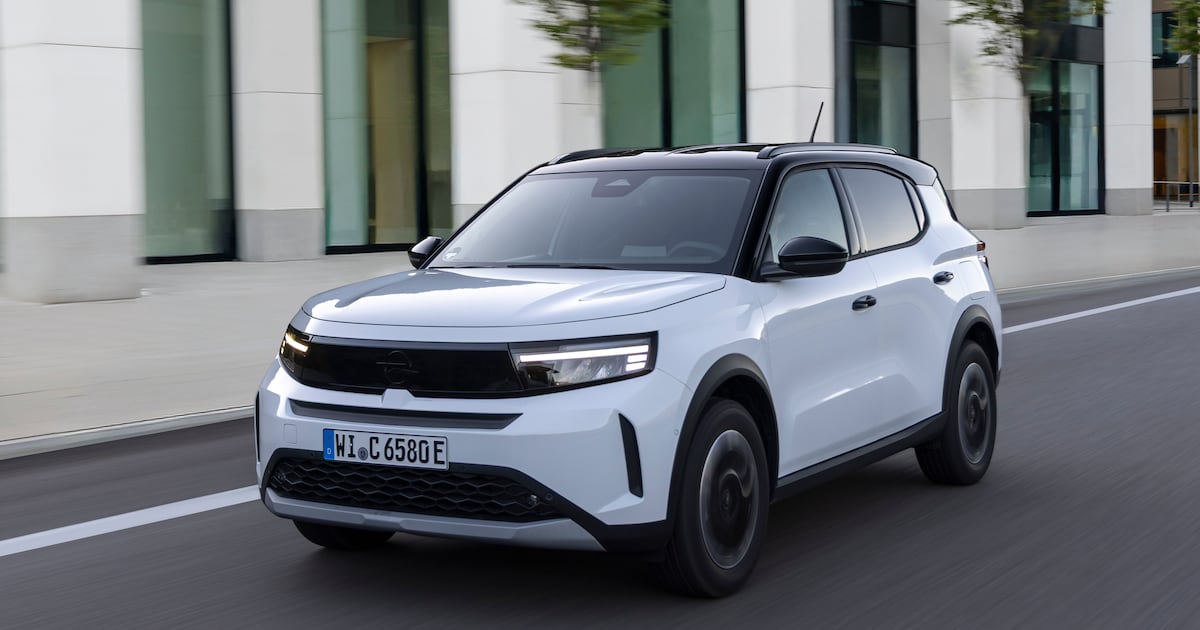
When Toivonen asked the dealer about it, he was taken aback. The problem was completely unknown to him. Toivonen’s colleague Henri Posa, who had driven many cars from the Stellantis group, which also includes Citroën, had never seen anything like this. At the same time he had an Opel Frontera Electric as a test car. So he got behind the wheel to see if he could reproduce what he had observed. And indeed: the German car had the same problem.
The Opel and the Citroën use different technology platforms, but it is likely that both windows could come from the same supplier. A request from the Finns to Stellantis remained unanswered until the article was published.
No such abnormalities in CHIP tests
The last cars from the Stellantis Group tested by CHIP did not show this peculiarity – however, most of these tests took place at temperatures well above zero degrees. However, our testers remember that when testing a Citroën e-C4 in 2021, they noticed the surprisingly clearly visible heating wires in the windshield. But they didn’t really impair visibility either.
It seems unlikely that the heating wires could deform significantly when heated: The wires are usually laminated between two glass layers of the laminated glass panes – i.e. firmly glued.
Stellantis is surprised – and wants to investigate
When asked by CHIP, a spokeswoman for the Stellantis Group in Germany commented on the phenomenon. There are no known reports from customers who have observed something similar. At this point in time there are no indications of a technical problem. It simply points out that heated laminated glass windshields have been tried and tested and are common practice. All that is known is a “very slight and temporary optical effect” that can last for one to two seconds when the heating is activated. However, this is considered normal and does not affect the safety of the vehicles.
However, the phenomenon described by the Finns “seems to go beyond what would normally be expected and will therefore be investigated closely. Customer safety and product quality are Stellantis’ top priority. We are therefore taking the report seriously and are initiating the technical review mentioned above in order to thoroughly investigate and rule out possible underlying problems,” emphasizes the spokeswoman.
Whether the vehicles in Finland came from the same production as those intended for the German market and whether Stellantis could rule out that vehicles produced for Germany were affected by the phenomenon remained unanswered.
[ad_2]
About the Author