A defective battery, costs 17,800 euros: old plug-in hybrids are at risk of total economic loss. Experts warn of the hidden cost trap.
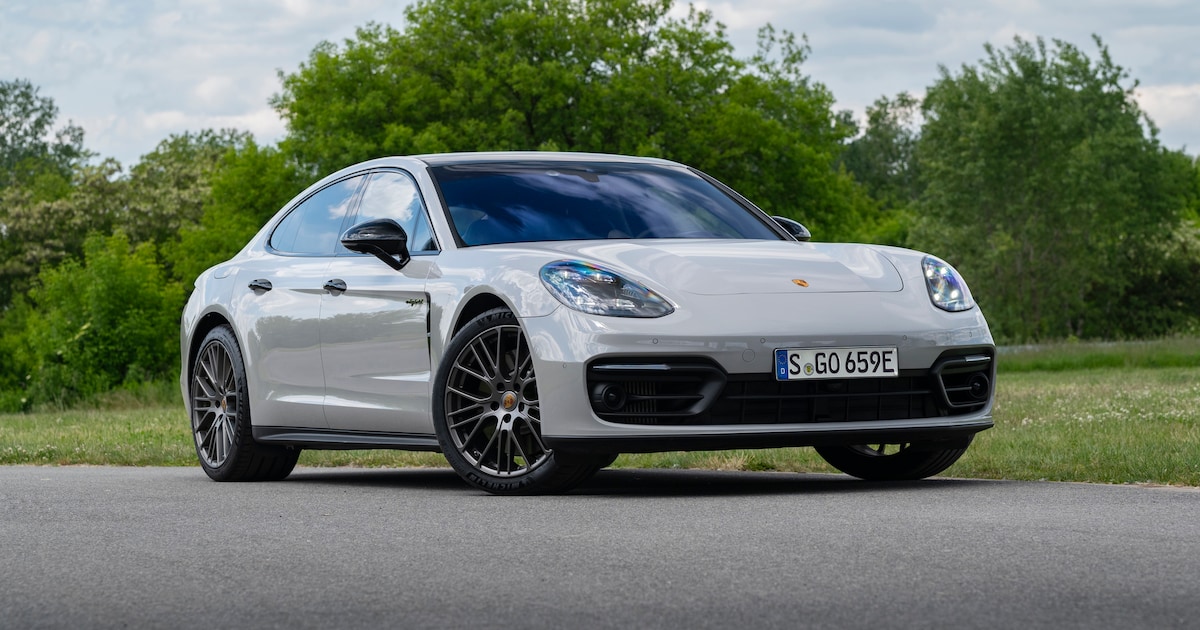
A Porsche Panamera S E-Hybrid, built in 2014, with 190,000 kilometers on the clock, is in a workshop at the EVClinic company in Zagreb, which specializes in electric cars. The problem: The high-voltage battery of the plug-in hybrid with a capacity of around nine kWh is defective.
The cost estimate for a new battery: around 17,800 euros. Far beyond what is economically viable for a vehicle that is over ten years old. What makes matters worse is that the battery is apparently hardly available on a regular basis anymore, even though – unlike pure electric cars – it is comparatively small.
Pros about hybrids: “the worst of both worlds”
The company comments on cases like this now with drastic words. On social media, it calls plug-in hybrids “the worst of both worlds.” Because they bear the technical risks of combustion engines and electric drives without exploiting the full advantages of either world.
On platforms like
Such a defect often means a dilemma for owners: in many cases, the market value of an older PHEV (Plug-in Hybrid Electric Vehicle) no longer covers a repair in the five-digit euro range. The result can be total economic loss, even though the engine, body and interior are still in good condition.
Significantly smaller battery sizes in old PHEVs
An important technical reason for the problems of early plug-in hybrids is the battery size. Many models from the first wave (approx. 2015-2020) were equipped with traction batteries of well under 10 kWh. Under ideal conditions, purely electric driving was usually only possible for 30 to 50 kilometers. Auto Motor Sport points out that this tight capacity has a crucial consequence: The battery reaches its “lifetime mileage” significantly earlier in E mode.
Lithium-ion batteries are considered to have aged significantly after around 1,000 to 1,500 complete charging cycles. For small PHEV batteries, this means: If you often charge the car externally as intended and drive as much as possible electrically in everyday life, the first noticeable capacity losses or errors can occur after just 100,000 kilometers. In other words: Anyone who uses the plug-in hybrid in an exemplary manner will drive the battery to the end of its usage reserve more quickly than with a modern electric car with a significantly larger battery.
Once a week everything about the best e-cars, e-bikes and heat pumps as well as the best sources of electricity: green electricity providers, balcony power plants and solar systems. We will guide you through the energy transition with tests, guides and purchasing advice.
Technology in PHEVs is complex
Added to this is the complexity of the technology. Plug-in hybrids combine a complete combustion engine with exhaust aftertreatment, transmission and classic peripherals with an electric motor, a high-voltage battery and extensive power electronics (inverter, DC/DC converter, onboard charger, safety boxes).
The practice of workshops and specialists like EVClinic shows that it is often not just the batteries that are affected, but also control devices and high-voltage components. In many vehicles, these are designed in such a way that individual components cannot be repaired. Instead of a small circuit board, the entire module then has to be replaced.
High invoice amounts are not uncommon
The calculation is easy to do: for some manufacturers, a new PHEV battery alone costs material prices in the mid to upper four-digit range, plus many hours of work. If power electronics or safety boxes are also due, bills of 7,000 to over 15,000 euros are no exception. For vehicles that are six to eight years old, this amount is often higher than their dealer purchase value.
“State of Health” is crucial
Therefore, particularly when purchasing a used plug-in hybrid, the question arises as to how the risk of expensive defects can be limited. What is crucial is to look at the traction battery: a mere mileage says little about how heavily the battery has been used. What is important is the so-called “State of Health” (SOH), i.e. the health status of the battery. Before purchasing, you should insist on a meaningful battery test – ideally using a diagnostic procedure provided by the manufacturer and not just using simple OBD apps.
It is advisable to check the battery carefully before purchasing a used car
Especially with the early PHEV models, it is advisable to track the usage and charging history as precisely as possible. In many cases, company cars, for example, were charged less often and were driven more on combustion engines. Although this is questionable in terms of climate policy, it can mean that the high-voltage battery has fewer charging cycles. You should also check which warranty conditions for the battery and high-voltage system still apply. Many manufacturers give a six-year or 100,000-kilometer functional guarantee on the PHEV battery; However, in older vehicles this limit is often already exceeded.
Is the repair still worth it?
If you already drive a plug-in hybrid, it’s worth taking a close look at the cost-effectiveness of planned repairs. If possible, get second opinions – especially from independent specialist electric vehicle companies that can replace cells or use tested used batteries. In the event of major damage to the battery or power electronics, it is important to know: If the high-voltage structure fails, the entire vehicle is usually paralyzed – continued operation with just the combustion engine is usually not provided for in modern PHEVs.
Old generation PHEVs: potential cost trap?
New generations of plug-ins are coming onto the market with significantly larger batteries and revised electronics, which alleviates the cycle problem. Whether the long-term durability of these more modern systems has actually improved will only become apparent in a few years. Until then, you should view plug-in hybrids, especially the first generation, not only from a consumption and funding perspective, but also as a potential cost trap, with repair prices in the five-figure range possible in the event of damage.
About the Author