[ad_1]

When making a transfer, you should always check an important setting, otherwise you may lose time.
Since October 9, 2025, banks within the EU have been obliged to offer real-time transfers at the same price as normal transfers. In most cases, this means that payments made in ten seconds are also free.
But many customers don’t really enjoy it yet the immediate transfer of the money, as an important setting in online banking is overlooked out of habit.
Pay close attention to transfers
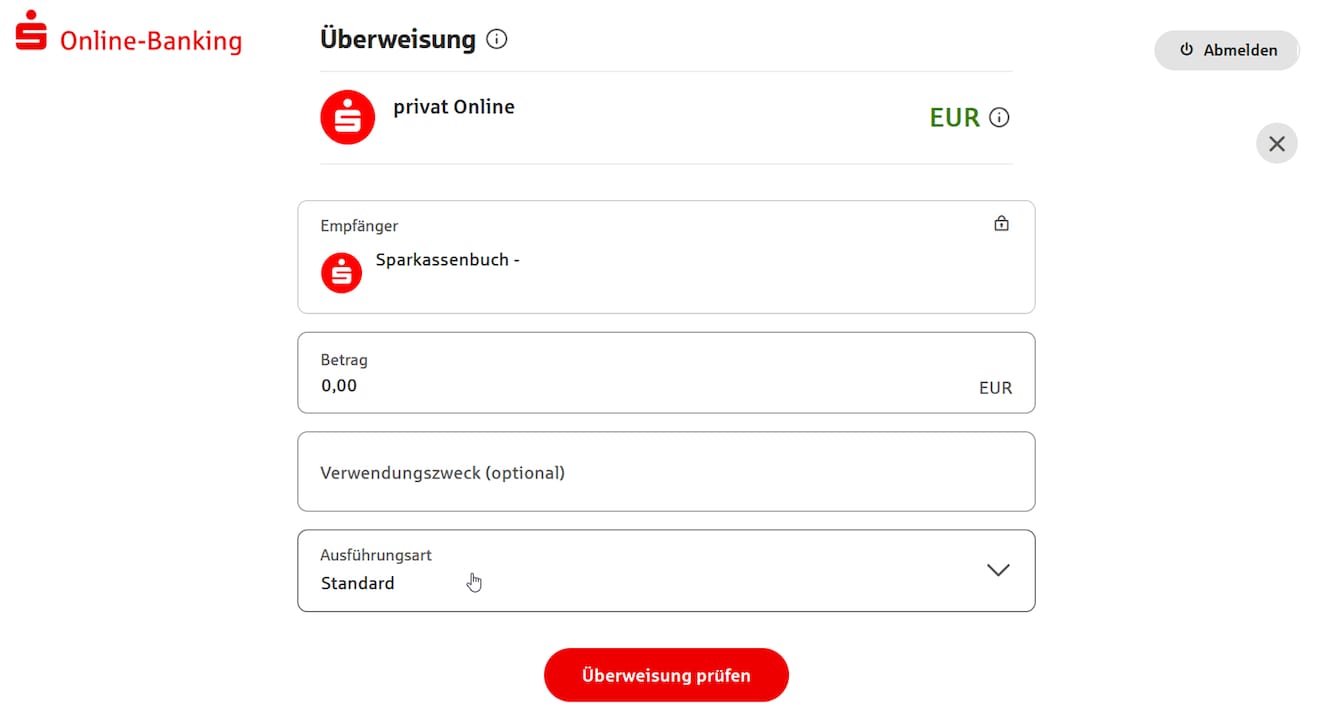
At many financial institutions, bank customers still have to manually ensure that real-time transfers are activated. By default, the “normal” transfer is often selected when a new order is created.
Since real-time transfers have been associated with additional costs for many years, bank customers have always ignored this option and still do so out of habit.
This means that the money takes one banking day for a classic SEPA transfer – within Germany and to other EU countries. There Holidays and weekends but not bank working days are, payments are made according to the savings bank not processed and it may take longer.
Anyone who then overlooks the fact that “Standard” or similar designations are selected for the execution type is looking down the drain when the recipient actually needs the money immediately.
That’s why it’s important that every time you make a transfer in online banking, you check whether you are actually using the real-time transfer. Here comes the money on 365 days a year always within ten seconds.

However, banks also have a good reason for itdo not automatically set real-time transfer as the default option: the money is debited immediately and it is according to the North Rhine-Westphalia Consumer Center much more difficult to get back money that was accidentally sent.
This wouldn’t be a problem if you really know the recipient and they can pay you back. However, when attempting to defraud through phishing, there is definitely a risk that losing the money immediately and forever – especially if you do not pay sufficient attention to the warning when checking the recipient.
[ad_2]
About the Author