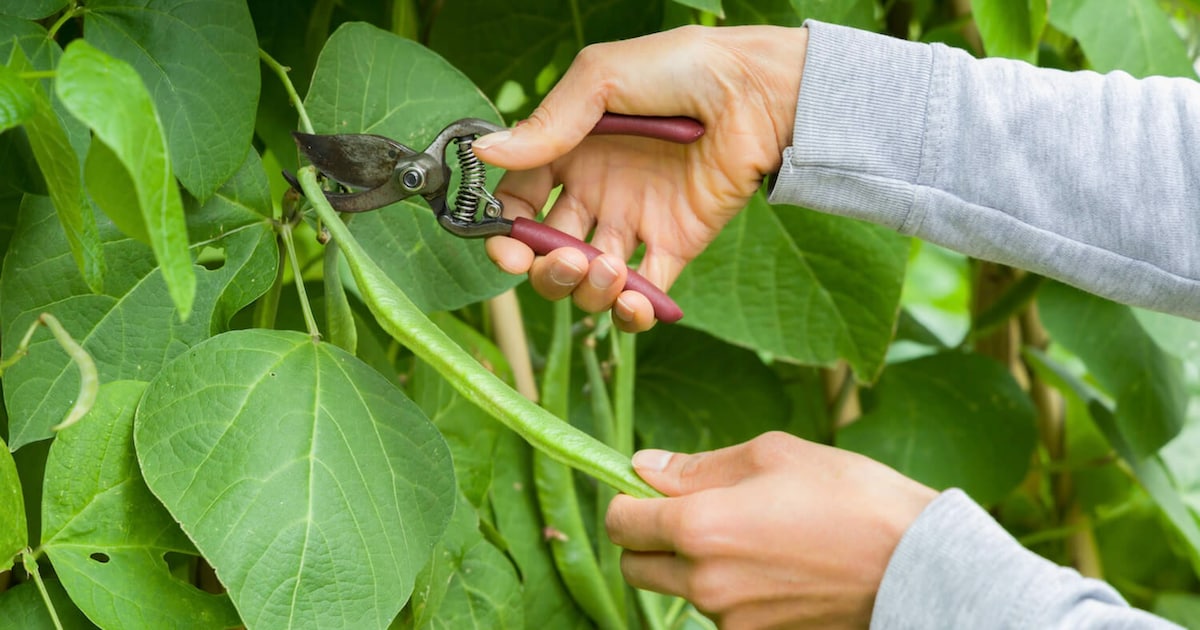
It grows in countless gardens, regularly ends up on the plate, and is now causing a surprise: for 2026, one of the most popular vegetable plants has a title that makes many people wonder.
The common bean has been voted “Poisonous Plant of the Year 2026″. He has that Wandsbek special botanical garden and announced who organised the election for the 21st time. Unlike many other nature awards, everyone can take part here—submit suggestions, vote, and discuss.
In the vote, which lasted around 200 days, the French bean won with around 30 per cent of votes against other known poisonous plants such as angel’s trumpet or Christmas rose. The voter turnout was slightly above the average of previous years. It is no coincidence that an everyday food takes first place: the aim of the campaign is to draw attention to risks that are often underestimated.
Why beans are problematic raw
Many initially react in disbelief: after all, beans are considered healthy. In fact, common beans and other species in the genus Phaseolus contain a natural poison called phasin. This so-called lectin can cause nausea, vomiting, and other symptoms if consumed raw or undercooked.
The good news: Phasin is sensitive to heat. If beans are boiled for at least ten to 15 minutes, the toxin is reliably destroyed. Cooked beans are therefore harmless and continue to be a valuable food. This applies not only to green beans but also to kidney, fava or pinto beans as well as dried beans. Chickpeas should always be cooked well.
Knowledge, precaution and a look forward
With this choice, the Botanical Special Garden does not want to unsettle but rather to inform. If you know that beans should never be served raw, you can continue to enjoy them without hesitation. In addition, the garden is planning a special exhibition about beans and legumes for the summer of 2026, which will highlight their diversity, their cultivation and their importance.
What remains important is that if you suspect poisoning, you should seek medical help immediately or contact a poison control centre.
At the same time, the campaign is continuing – suggestions for the “Poisonous Plant of the Year 2027” can already be submitted.
By the way, this was the poisonous plant of the 2025 cashew tree.
About the Author