In most cases the right of way is actually well regulated, but if a road becomes particularly narrow, other rules may apply.
Almost everything in German road traffic is regulated down to the last detail. Even in tight places. The traffic signs 208 and 308 often come with the name here “Priority of oncoming traffic” respectively “Priority over oncoming traffic” for use. The red arrow points to your
But in some places this may not be so well signposted – and in other European countries different rules apply. We will show you an overview of these here.
Because if you ignore the right of way may face fines or misunderstandings can lead to accidents.
Narrow streets with their own rules

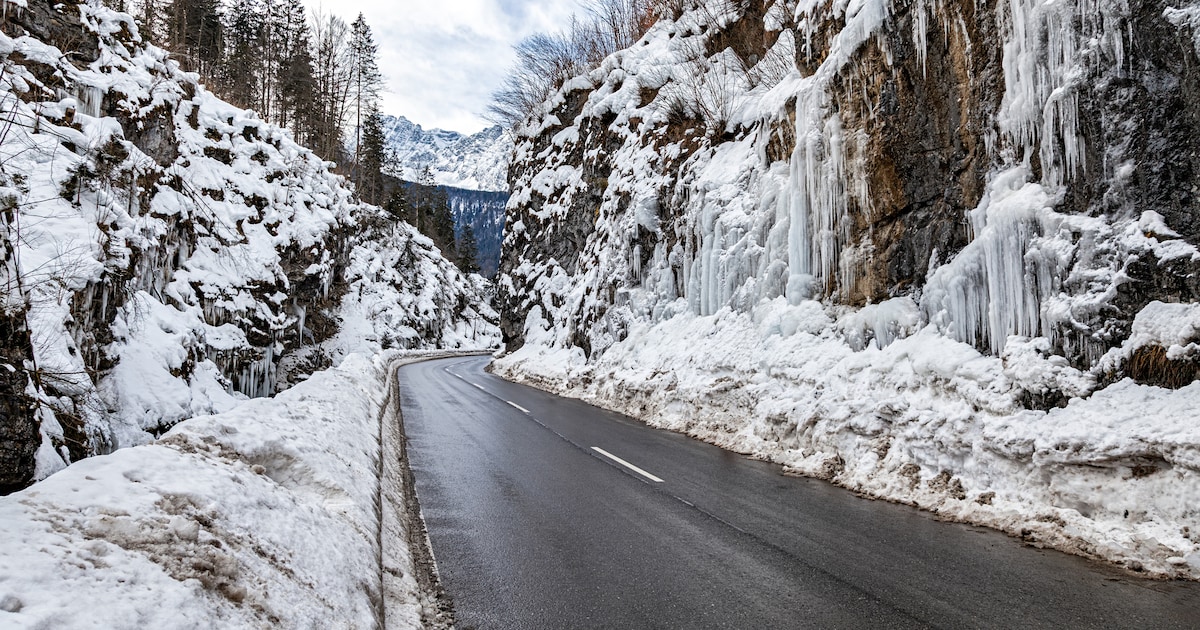
There are some narrow roads, especially in mountainous areas. In France, Italy, and Switzerland, there is a basic rule that even without signage, vehicles coming uphill always have priority has.
So if you drive down the mountain, you have to wait at a bottleneck and let oncoming traffic through. If there is no more space for this, vehicles driving downhill should even back up. The only exception: If there is an alternative place and the car coming uphill is closer to it, it has to reverse.
In the countries mentioned, larger vehicles such as trucks, buses, and coaches always have priority, both downhill and uphill! Cyclists and motorcyclists must also give way to comparatively larger cars.
This is because they have a harder time coming to a stop when braking downhill and have greater difficulty starting uphill. This is even more true when the road is slippery.

There are in Germany and Austria no such explicit regulations like in the other neighboring countries. Nevertheless, it may make sense to observe these behaviors here too in order to ensure safety and mutual consideration.
If there is an obstacle on German roads that narrows the road, the road user must wait on whose side it is. In Paragraph 6 of the StVO the text says:
“If you want to pass a narrowing of the road, an obstacle on the road or a stopped vehicle on the left, you must let oncoming vehicles pass.”
Since exceptions confirm the rule, it can sometimes make sense in Germany not to insist on your own rights and to let other road users ahead.
About the Author